
Impact of Climate Change on Global Real Estate Markets
Exploring the Far-Reaching Consequences of Climate Change on Property Values, Insurance Costs, and Market Dynamics.
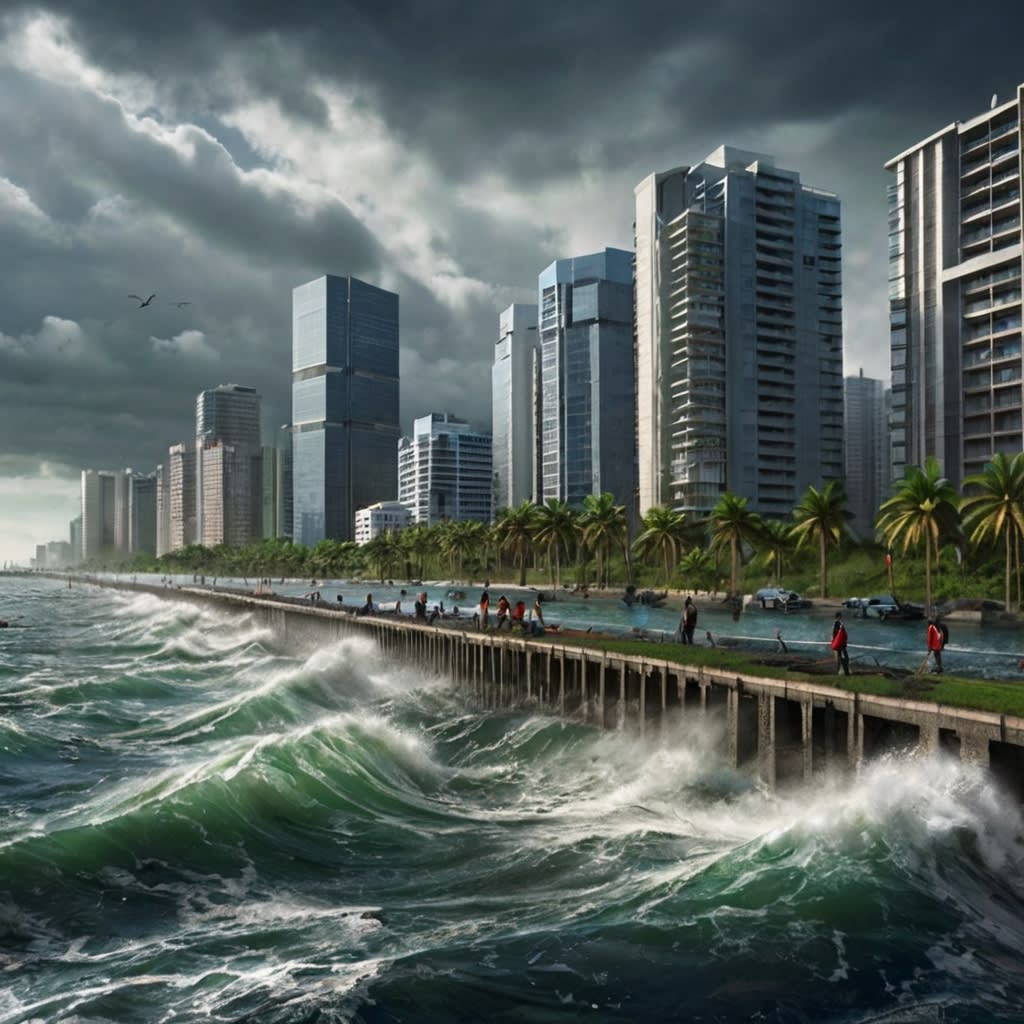
Impact of Climate Change on Global Real Estate Markets
Introduction to Climate Change and Real Estate
The global real estate market is intricately connected to many external factors, but few have such a profound and lasting impact as climate change. This complex phenomenon reshaping economies, societies, and industries worldwide, and real estate is not exempt. As governments, businesses, and individuals grapple with the consequences of a warming planet, it's imperative to understand the multi-dimensional effects of climate change on real estate markets.
Changing Climate Patterns and Their Direct Impact on Property Values
Climate change alters weather patterns, resulting in unpredictable and extreme conditions like floods, droughts, and rising sea levels. These natural disasters disproportionately affect properties situated in vulnerable locations, such as coastal cities and flood-prone areas. As a result, property values in these regions face significant depreciation risks.
For example, in coastal areas where rising sea levels and storms are frequent, insurance costs for properties have surged, reducing their market attractiveness. Moreover, some homeowners and investors are choosing to divest from such regions entirely, leading to a long-term decline in the local property markets.
Rising Sea Levels: A Major Threat to Coastal Real Estate Markets
Sea level rise is perhaps the most pressing threat posed by climate change to global real estate. Coastal cities like Miami, New York, and Amsterdam are facing the looming risk of being submerged in the coming decades. With billions of dollars of real estate assets located within a few meters of the current sea level, the potential economic consequences are vast.
For properties at risk of flooding, property prices are seeing slow growth or outright declines. This trend is increasingly worrying for long-term investors, as depreciation continues to set in. The increased frequency of extreme weather events is further accelerating these dynamics, with properties in flood-prone areas seeing a decrease in desirability, leading to a downward spiral in market value.
Impact of Extreme Weather Events on Insurance Costs
As the intensity of hurricanes, wildfires, and floods increases, insurance companies are reevaluating the risks associated with certain geographic locations. In areas frequently affected by climate-related disasters, insurance premiums are skyrocketing or, in some cases, insurance is becoming entirely unavailable. This adds a significant burden to property owners, as higher insurance premiums cut into profitability and make properties less attractive for buyers and investors alike.
Insurance companies are now also using predictive models based on climate data to assess the long-term risks of properties in vulnerable regions. As a result, real estate in such areas is facing higher barriers to entry, especially for first-time homebuyers and smaller investors.
Shifting Real Estate Demand: Climate Refugees and Migration Trends
Another long-term consequence of climate change is the shifting demand for real estate driven by migration patterns. As climate change renders certain regions uninhabitable due to extreme heat, drought, or rising sea levels, we are witnessing the rise of climate refugees—individuals and communities displaced by environmental factors.
Regions with more temperate climates, such as parts of northern Europe and Canada, are seeing increased interest from these displaced populations. This influx is driving up demand for housing, causing property values to rise in those areas. Meanwhile, real estate markets in vulnerable regions continue to experience a decline in demand as people move away from at-risk areas.
Regulatory Changes and Sustainability Requirements
Governments worldwide are introducing stricter regulations to combat climate change, and many of these policies directly affect the real estate market. New building codes and environmental standards are pushing developers and property owners to invest in sustainable architecture, energy-efficient solutions, and green building practices.
In cities where climate policies are more aggressively enforced, properties that do not comply with the latest environmental regulations may experience a decrease in marketability. In contrast, eco-friendly buildings and developments that prioritize sustainability can command higher prices and attract environmentally conscious buyers. For instance, LEED-certified buildings are increasingly popular in metropolitan markets, leading to higher rents and property values for these eco-friendly structures.
Mitigation Strategies and Green Investment Opportunities
Despite the challenges climate change poses to the real estate sector, it also presents opportunities. Green real estate investments, such as energy-efficient buildings and developments designed with sustainability in mind, are becoming more attractive to investors. These investments align with both government incentives and public demand for environmentally responsible solutions.
Developers are now integrating renewable energy sources, such as solar panels and geothermal systems, into their projects to future-proof their buildings. Additionally, properties that offer climate-resilient features, such as elevated foundations in flood-prone areas, are in higher demand. Investors who are ahead of the curve in recognizing the shift toward sustainable real estate stand to benefit financially in the coming years.
Long-Term Outlook for Real Estate Markets
The long-term outlook for global real estate markets in the face of climate change is a mixed one. While certain regions, particularly those prone to extreme weather events and rising sea levels, face a decline in property values, other areas are witnessing a surge in demand due to their relative climate stability.
Additionally, cities and countries that prioritize climate adaptation measures are likely to see their real estate markets perform better. Infrastructure improvements, such as building sea walls, improving stormwater management systems, and adopting sustainable building practices, can enhance the resilience of real estate assets and mitigate the adverse effects of climate change.
Conclusion
The impact of climate change on global real estate markets is multifaceted, with effects ranging from declining property values in vulnerable regions to new investment opportunities in sustainable real estate. As climate risks continue to evolve, property owners, investors, and developers must stay vigilant and adapt to these changes. With the right strategies, it is possible to mitigate risks and capitalize on emerging trends reshaping the future of global real estate.
Disclaimer: The content provided in this article has been generated by an AI language model. While efforts have been made to ensure the accuracy and relevance of the information, it may not reflect the most current research or developments in the field. Readers are encouraged to verify the information independently and consult professionals for specific advice or guidance. The use of this content is at the reader's discretion, and the author or publisher is not liable for any actions taken based on the information presented herein.
About the Creator
Enjoyed the story? Support the Creator.
Subscribe for free to receive all their stories in your feed.
Comments
There are no comments for this story
Be the first to respond and start the conversation.