
"Immune System Tied to Mental Health Disorders"
The Surprising Link Between Immunity and Mental Well-Being
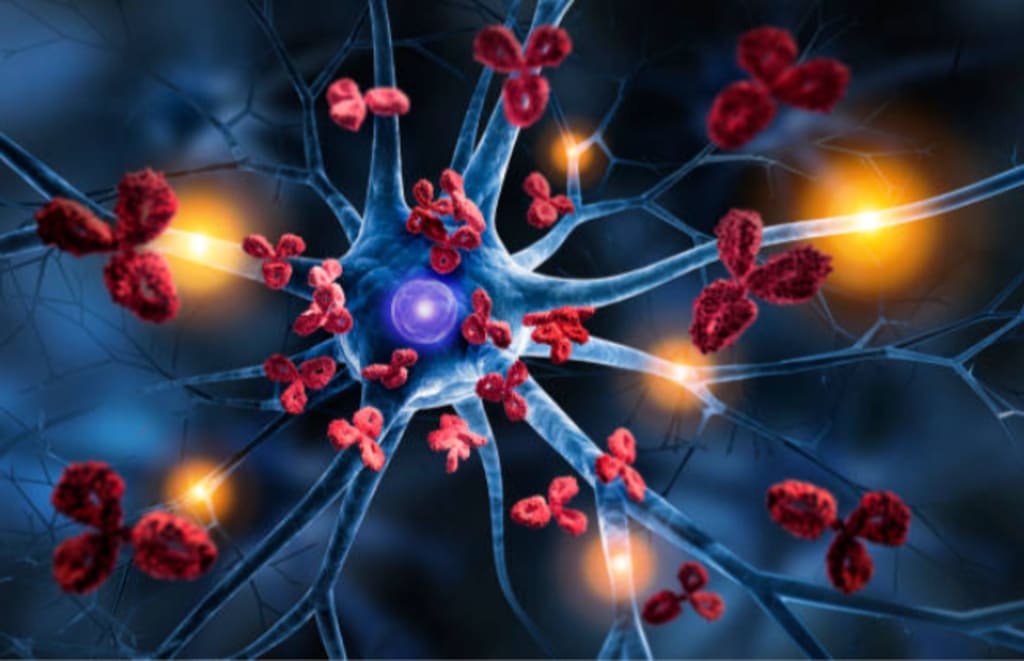
For many years, mental health conditions like bipolar disorder, schizophrenia, depression, and anxiety were mainly thought to be caused by environmental stressors, genetics, and brain chemistry. But new studies have revealed an unexpected participant in mental health: the immune system. Researchers are becoming more aware that immunological dysfunction and inflammation may play a major role in the onset and course of mental illnesses. Targeting immune pathways may result in new treatments for mental health conditions, according to this discovery, which opens up new treatment options. The relationship between the immune system and mental health, its underlying mechanisms, and the possibility of immune-based therapies will all be covered in this article .
The Brain and Immune System: A Two-Way Street Through a sophisticated web of biochemical signals, the brain and immune system are always in communication. The immune system affects how the brain works by: 1. Cytokines – Immune cells release these signaling proteins that can penetrate the blood-brain barrier and influence mood regulation, neuroplasticity, and neurotransmitter activity. 2. Microglia - Microglia, the immune cells that reside in the brain, are essential for neuroinflammation. They may exacerbate mental and neurodegenerative conditions when overactive. The gut-brain axis, which links gut inflammation to mental health, is mediated by the gut microbiota, which also produces neurotransmitters like serotonin and controls immune responses. On the other hand, psychological trauma and stress can set off immunological reactions, resulting in a vicious cycle whereby mental health deteriorates due to inflammation, and inflammation in turn exacerbates mental health.
Inflammation's Role in Mental Health Conditions : 1. Inflammation and Depression : Depressed individuals frequently have higher levels of inflammatory markers such as - C-reactive protein (CRP), interleukin-6 (IL-6), and tumor necrosis factor-alpha (TNF-α) , according to several studies. Prolonged inflammation can lower serotonin levels, hinder neurogenesis, and interfere with the hypothalamic-pituitary-adrenal (HPA) axis, which controls stress reactions.
Given anti-inflammatory medications, some patients with treatment-resistant depression exhibit improvement, indicating that immune dysfunction is a significant factor. 2. Anxiety and Immune Dysregulation :
The second is anxiety and immunological dysregulation. There is also evidence linking increased inflammation to anxiety disorders. The immune system is triggered by stress, which increases the production of cytokines. This can intensify fear reactions and amygdala activit
3. Schizophrenia and Neuroinflammation : Schizophrenia has long been associated with immune abnormalities, including: - Elevated pro-inflammatory cytokines in the blood and cerebrospinal fluid. - Autoantibodies targeting brain receptors (e.g., NMDA receptors), leading to psychotic symptoms. - Maternal infections during pregnancy (which trigger immune responses) increasing the risk of schizophrenia in offspring. Some researchers propose that schizophrenia may involve - microglial overactivation, leading to excessive synaptic pruning and cognitive dysfunction.
4. Immune Activation and Bipolar Disorder : Patients with bipolar disorder frequently exhibit varying degrees of inflammation, with cytokine spikes corresponding to manic and depressive episodes. TNF-α and IL-6 are frequently elevated during mood swings. Lithium is one example of a mood stabilizer that has anti-inflammatory properties, which may add to its therapeutic advantages. Possible Immune-Based Therapies for Mental Health Conditions : Researchers are looking into cutting-edge therapies that target inflammation because of the close connection between immune dysfunction and mental illness:
1. Anti-Inflammatory Drugs - NSAIDs (e.g., celecoxib)** - According to certain research, NSAIDs combined with antidepressants can improve depression outcomes. TNF-α inhibitors, such as infliximab - These medications, which are used to treat autoimmune diseases, have demonstrated potential in lowering depressive symptoms in individuals with elevated inflammation. 2. Dietary Changes and Probiotics Probiotics and prebiotics may help lower inflammation and elevate mood because gut bacteria affect immune responses. Diets high in fiber, antioxidants, and omega-3 fatty acids may reduce cytokine levels and promote mental well-being. 3. Modulators of Microglia : Neuroinflammatory diseases like Alzheimer's and schizophrenia may be treated with medications that control microglial activity. 4. Lifestyle Interventions - Exercise promotes neuroplasticity by lowering inflammation and increasing brain-derived neurotrophic factor (BDNF). Reducing stress and practicing mindfulness can improve mental resilience by lowering pro-inflammatory cytokines.
Final Thought: A Revolution in Mental Health Care A significant change in psychiatry has occurred with the realization that immune dysfunction plays a role in mental health disorders. Future therapies may use personalized immune profiling to identify which patients would benefit from anti-inflammatory therapies, rather than concentrating only on neurotransmitters like serotonin and dopamine. The immune-mental health link gives millions of people with treatment-resistant illnesses hope, even though more research is required. Reducing inflammation may open up new, more potent avenues for mental healing.
About the Creator
Enjoyed the story? Support the Creator.
Subscribe for free to receive all their stories in your feed.
Comments
There are no comments for this story
Be the first to respond and start the conversation.