
Immediate Benefits of a Plant-Based Diet: How Your Body Changes
Vegan Lifestyle

Embracing a diet rich in vegetables and other plant-based foods comes with a myriad of health advantages, including weight loss, better control of blood sugar levels, and reduced inflammation, among others. The shift towards plant-based eating not only promises a long-term transformation in one’s health and wellbeing but surprisingly, many experience the immediate benefits of a plant-based diet, ranging from enhanced gut health to noticeable improvements in skin and hair quality. Such quick wins provide compelling reasons for individuals considering this dietary change, underscoring the importance and relevance of understanding precisely what happens when you go plant-based and how soon one can start to see these benefits.
This article delves into the significant and immediate effects of adopting a plant-based diet, beginning with the rapid changes in gut health that can support a healthier metabolism and improve overall digestion. Following this, we explore the short-term boosts in energy and mood that often accompany the increase in nutrient-rich foods inherent to vegan diets. Skin and hair health benefits are also notable gains, thanks to the high intake of vitamins and minerals from fruits and vegetables. Furthermore, aspects such as weight management, reduced risks of chronic diseases, lower cholesterol levels, and the overall long-term health enhancements will be discussed, offering readers a comprehensive guide on the benefits of veganism and plant-based eating.
Immediate Changes in Gut Health
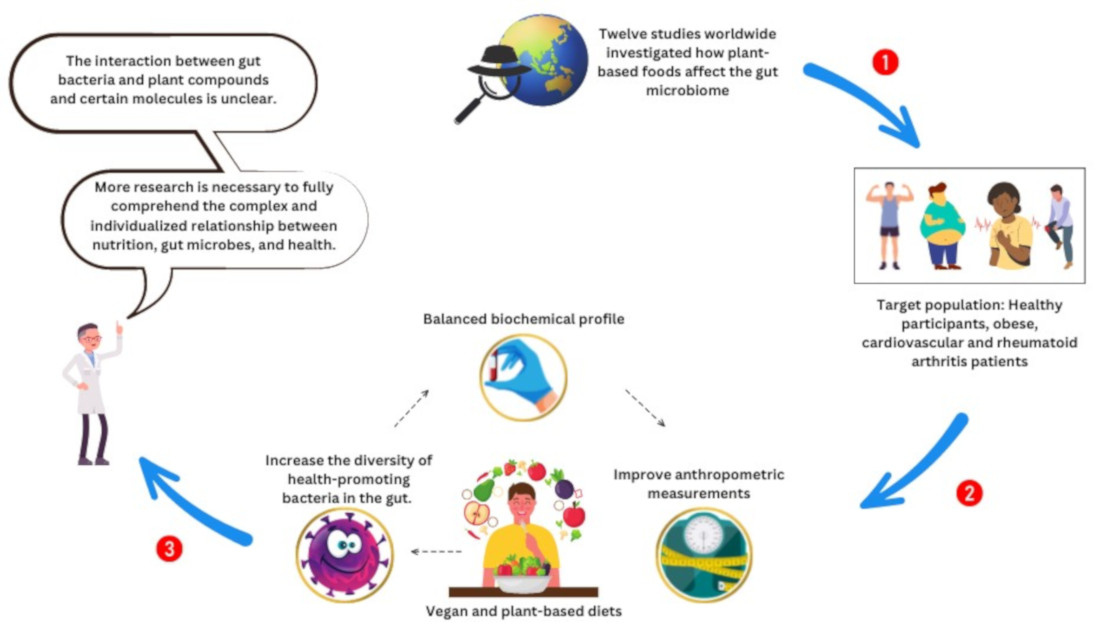
Adopting a plant-based diet can lead to significant immediate changes in gut health, primarily through the increased growth of beneficial gut bacteria, improved digestive efficiency, and a reduction in bloating.
Increased Growth of Healthy Gut Bacteria
A plant-based diet, rich in fibers and polyphenols, promotes the growth of healthy gut bacteria such as Bacteroides, Bifidobacterium, and Lactobacillus. These bacteria play a crucial role in maintaining a balanced gut microbiome, which is essential for overall health. The dietary fibers found in plants are fermented by gut bacteria, producing short-chain fatty acids (SCFAs) like acetate, propionate, and butyrate, which have various beneficial effects on gut health and metabolism .
Improved Digestive Efficiency
The high fiber content in a plant-based diet enhances digestive efficiency by increasing the bulk and softness of stool, making it easier to pass. This can lead to more regular bowel movements and a decrease in digestive issues such as constipation and abdominal pain . Additionally, the fermentation of fiber by gut bacteria not only aids in digestion but also helps regulate important bodily functions like cholesterol and glucose metabolism.
Reduction in Bloating
Transitioning to a plant-based diet can initially cause bloating due to increased fiber intake. However, this is often temporary as the body adjusts. Eating slowly and incorporating cooked vegetables can ease the transition and reduce bloating . Over time, the gut adapts to the new diet, and the bloating decreases as the beneficial gut bacteria flourish and improve digestive health .
By fostering a diverse and stable ecosystem of gut bacteria and enhancing digestive functions, a plant-based diet can lead to noticeable improvements in gut health shortly after making dietary changes.
Short-Term Energy and Mood Boosts
Higher Daily Energy Levels
Individuals transitioning to a plant-based diet often report a significant boost in daily energy levels. This increase can be attributed to the high content of micronutrients and phytochemicals in plant-based foods, which naturally enhance the body's energy. For instance, one individual noted a dramatic surge in energy, allowing them to quit coffee and engage in extensive cycling, a feat previously unthinkable .
Improved Sleep Quality
A plant-based diet also contributes to improved sleep quality. Research indicates that vegetarians and vegans experience longer and better-quality sleep compared to those on other diets. This effect is likely due to the high fiber content and presence of natural sleep-promoting compounds found in plant foods, such as melatonin and tryptophan, which aid in regulating sleep cycles .
Enhanced Mood Stability
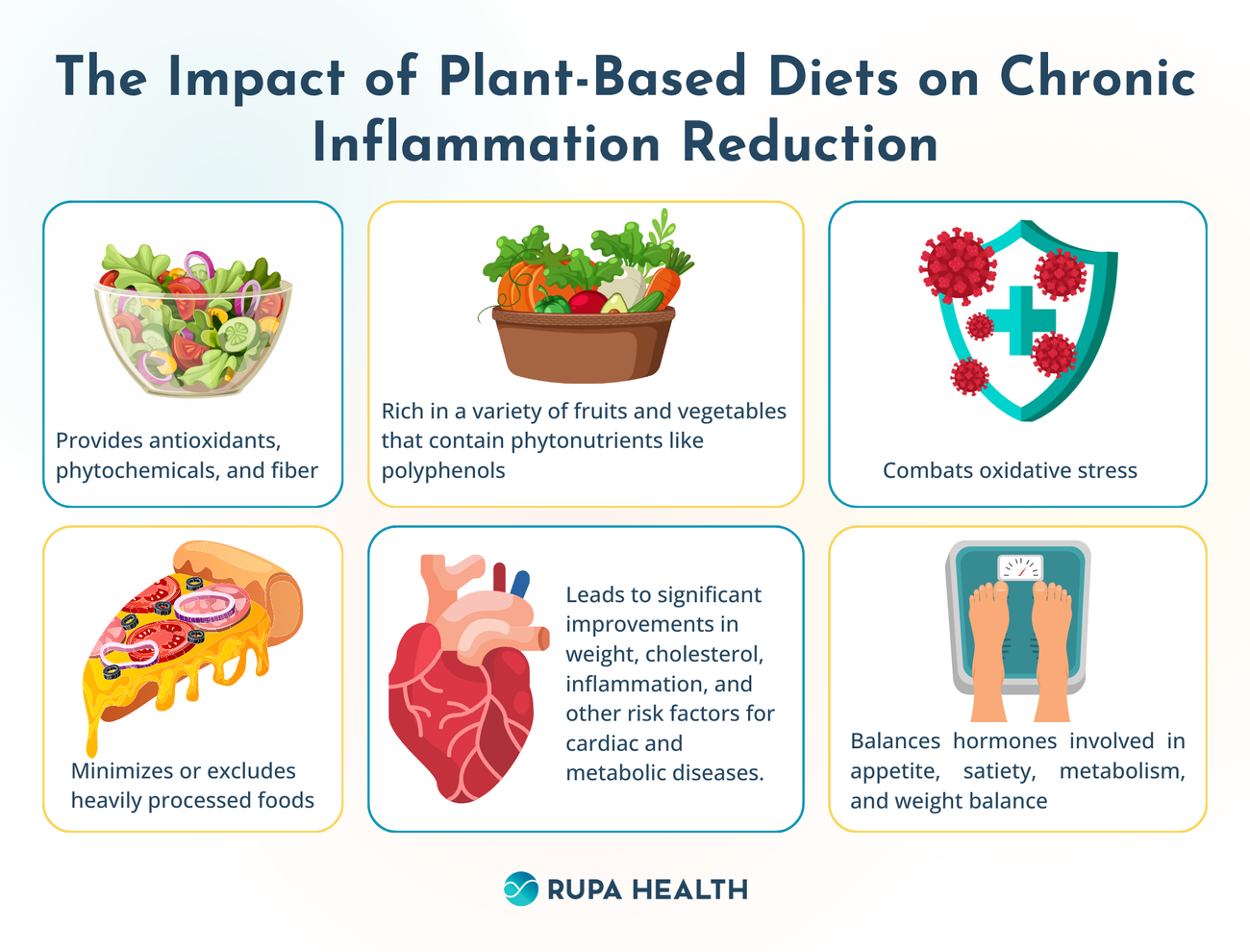
The impact of a plant-based diet on mood stability is profound. Studies have shown that diets high in fruits, vegetables, and whole grains, which are staples of a plant-based diet, are associated with reduced symptoms of depression and an overall more positive mood. This mood enhancement is attributed to the anti-inflammatory properties of plant foods and the presence of essential nutrients that support neurotransmitter function, crucial for mood regulation .
Skin and Hair Health Benefits

Transitioning to a plant-based diet not only supports overall health but also brings significant benefits to skin and hair, thanks to the high intake of essential nutrients and antioxidants.
More Radiant Skin
Individuals often notice an improvement in their skin's health and appearance shortly after adopting a plant-based diet. Key nutrients such as antioxidants, vitamins C and E, and omega-3 fatty acids, found abundantly in plant foods, play a crucial role in protecting the skin from oxidative stress and damage caused by free radicals. These nutrients can slow the aging process, reduce the appearance of fine lines, and promote a youthful complexion . Additionally, the high fiber content in plant-based diets supports a healthy gut microbiome, which is linked to reduced inflammation and a clearer, more radiant complexion .
Stronger, Healthier Hair
A plant-based diet rich in iron, protein, and B vitamins significantly impacts hair health. Foods like spinach, kale, and other leafy greens provide iron and folate, which are essential for hair growth and strength . Moreover, the inclusion of plant-based proteins such as legumes and seeds ensures an adequate supply of amino acids, crucial for maintaining the hair's integrity and preventing hair loss . Omega-3 fatty acids from sources like chia seeds and flaxseeds enhance scalp health, further supporting healthy hair growth .
Improved Nail Strength
The benefits of a plant-based diet extend to nail health as well. Consuming foods high in biotin, zinc, and omega-3 fatty acids contributes to stronger and more resilient nails. Biotin, or vitamin B7, is particularly effective in increasing nail thickness and preventing splitting . Zinc plays a vital role in protein synthesis and tissue growth, which are essential for maintaining healthy nail plates . Regular intake of omega-3 fatty acids provides moisture and nourishment, preventing dryness and breakage of nails .
By focusing on these nutrient-rich plant-based foods, individuals can enjoy not only improved health but also enhanced beauty benefits, making a plant-based diet a comprehensive approach to wellness.
Metabolic and Weight Management
Quick Drop in Water Weight
Switching to a plant-based diet often results in a quick drop in water weight. This immediate decrease is largely due to reduced sodium intake and a higher intake of potassium-rich foods such as fruits and vegetables, which help enhance water excretion .
Reduction in Visceral Fat
A significant benefit of adopting a plant-based diet is the reduction in visceral fat, the type that surrounds vital organs and can lead to various health issues. Studies have shown that a plant-based diet, especially a green Mediterranean diet, more effectively reduces visceral fat by over 14% compared to other diets . This reduction is beneficial not just aesthetically but also for overall metabolic health.
Enhanced Physical Endurance
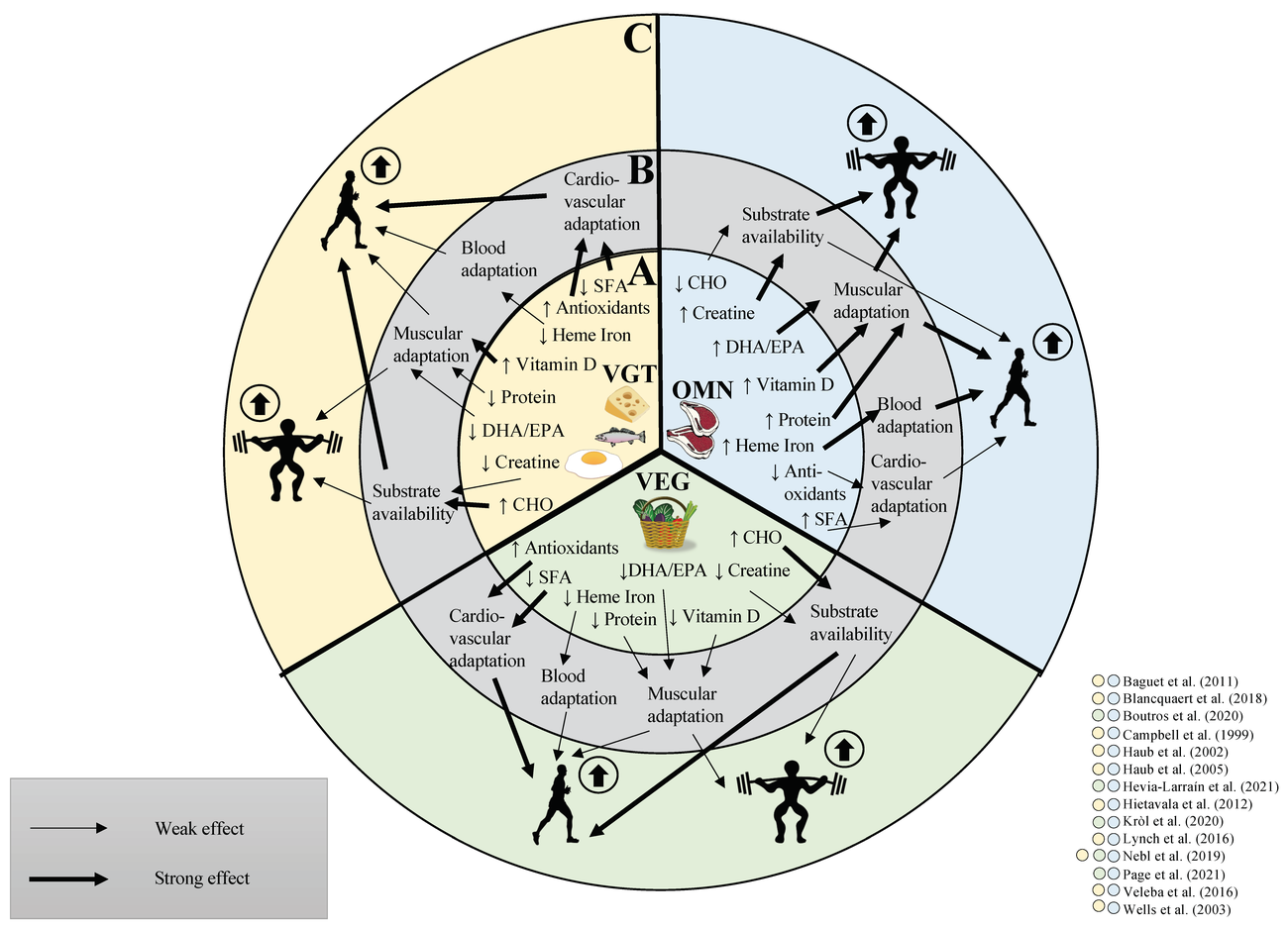
Individuals on a plant-based diet may experience enhanced physical endurance. The reduction in body fat, particularly from a low-fat, high-fiber diet, contributes to increased aerobic capacity. This effect is evident as athletes report better endurance and performance, potentially due to improved oxygen delivery and lower blood viscosity, which are influenced by a diet rich in plant-based foods .
Long-Term Health Enhancements

Stronger Immune System
Adopting a plant-based diet strengthens the immune system by enhancing gut health, where an estimated 70 to 80 percent of immune cells reside . The high fiber content in plant-based foods supports a robust microbiome, which in turn optimizes immune function. Additionally, the wide array of vitamins, minerals, and antioxidants found in plants, such as vitamins C and E, beta-carotene, and selenium, play crucial roles in maintaining immune health and reducing inflammation .
Lower Blood Pressure
Numerous studies have documented the positive impact of plant-based diets on blood pressure. A meta-analysis of intervention studies has shown that vegetarian diets can significantly lower both systolic and diastolic blood pressure compared to diets that include animal products . This effect is attributed to the rich content of macro- and micronutrients in plants that support cardiovascular health.
Greater Longevity and Quality of Life
Longevity is notably higher in populations that consume predominantly plant-based diets, often referred to as "Blue Zones" . A diet rich in unrefined plant foods such as fruits, vegetables, grains, and legumes is linked to reduced mortality and enhanced quality of life in older adults . Furthermore, a plant-based diet has been associated with a reduced risk of age-related cognitive decline and diseases like Alzheimer's, providing a compelling argument for dietary choices that support long-term health and mental acuity.
Conclusion
Throughout this analysis, we have highlighted the myriad of immediate and long-range benefits associated with adopting a plant-based diet, ranging from enhancements in gut health and metabolic efficiency to observable improvements in skin, hair, and overall vitality. By decisively shifting towards a diet rich in fruits, vegetables, and other plant-based foods, individuals can experience noteworthy shifts in their health, including better weight management, improved mood and energy levels, and enhanced physical endurance. These transformations underscore the profound impact that dietary choices have on our bodily systems and the potential for a plant-based diet to drastically improve quality of life.
Given the compelling evidence presented, it becomes clear that the journey towards a healthier, more vibrant self can indeed begin with the food we choose to consume. As we move forward, it is imperative that we consider the lasting benefits that a plant-based diet offers not only for personal health but also for the environment. The pursuit of further research in this area remains essential to fully understand and harness the potential of plant-based nutrition. Encouraging a shift towards plant-centric eating habits stands as a significant step towards achieving optimal health outcomes and fostering a sustainable future for generations to come.
FAQs
What are the immediate changes in your body when you adopt a plant-based diet?
Within just a few days of starting a whole-food, plant-based diet, noticeable health improvements can occur. Your heart health begins to improve, your skin may become clearer, and by avoiding simple carbohydrates and sugars, you might start losing weight healthily. Continuing this diet can also decrease your risk of developing heart disease in the long run.
How quickly can you expect to see health improvements from a plant-based diet?
Research indicates that following a vegan diet can lead to an average weight loss of about 5.6 pounds over 18 weeks, which roughly translates to losing a third of a pound per week. Theoretically, this could result in losing up to 63 pounds within a year, although actual results vary based on multiple factors.
Is weight loss quicker on a plant-based diet compared to other diets?
Yes, a plant-based diet can be particularly effective for weight loss. Long-term studies spanning 20-30 years have demonstrated that individuals who consume more plant-based foods generally gain less weight over time compared to those who consume higher amounts of meat, dairy, and eggs.
What are the benefits of switching to a diet consisting of whole foods?
Adopting a diet rich in whole foods such as fruits, vegetables, and whole grains has been linked to a lower risk of several chronic diseases. These include cardiovascular disease, various types of cancer, and type 2 diabetes, highlighting the significant health benefits of whole foods.
These article contains affiliate links, if you ended up going through and purchasing anything I may received a small commission.
About the Creator
Enjoyed the story? Support the Creator.
Subscribe for free to receive all their stories in your feed.
Comments
There are no comments for this story
Be the first to respond and start the conversation.