
I Finally Found a Way to Track Down Original Video Sources
Video Sources

I Finally Found a Way to Track Down Original Video Sources
Videos are one of the most popular forms of content these days. Millions of videos are uploaded on popular social media platforms like YouTube and Instagram every single day. It makes it hard to know where an original video was published in the first place.
Well, I cracked the code.
I finally found an authentic and efficient way to track down original video sources, no matter where they were posted. It took me a little while to come up with this process, but the effort was worthwhile.
In this article, I’ll walk you through the whole procedure so that you can use it too to reverse search videos online.
Let’s get into it.
Why I had to track down a video
Let’s start with the background story. Why did I have to put in the effort to track down the original source of a video?
Well, I love movies, and I watch interviews of actors and actresses on different shows and programs.
While scrolling Instagram, I came across a video clip of Cillian Murphy talking about his love for novels. The clip was short and engaging, but not long enough for me to find out where it came from.
The clip looked like a small part of a conversation from a very interesting interview. So, I decided to reverse search it and find out what interview it was from.
Methods I Tried Before Finding the Solution
To track down the original video source, I used different methods.
First, I searched Google. I added keywords like “Cillian Murphy talks about novels”, “Cillian Murphy interview on books”, “Cillian Murphy discussing his love for novels”, etc.
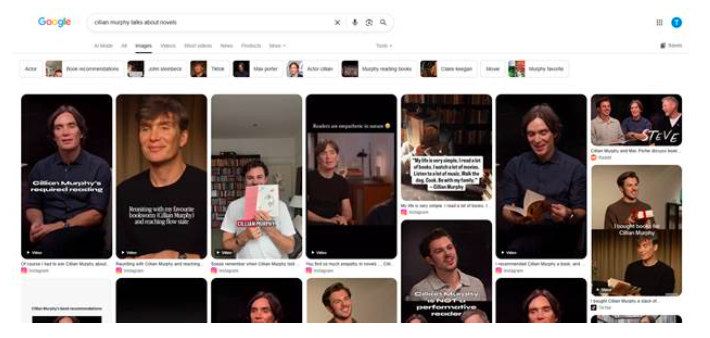
Most of the time this method works, but this time it kept bringing up clipped videos, and not the original one.
Next, I went to YouTube, since most full interviews are available there. I used similar keywords, but no promising results came up.
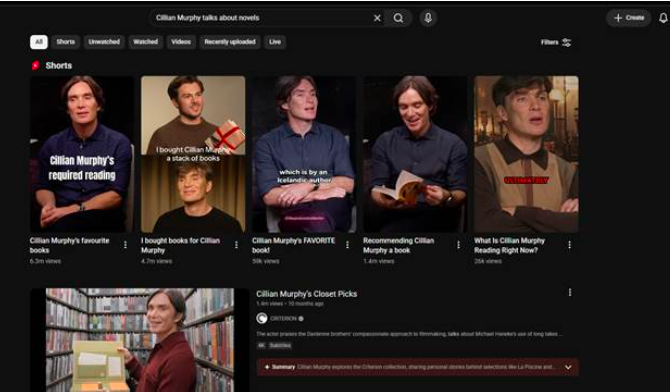
After this, I searched social media platforms like Instagram to see if I could find the original post.
But again, several clips popped up instead of the original source.
These methods were helpful, but not extremely effective.
I Found Out About Reverse Video Search
After disappointing attempts with Google search, YouTube, and social media apps, I started looking for other methods to find the original video.
This is when I came up with the term ‘reverse video search’.
The term is pretty straightforward, but I decided to learn what is reverse video search before trying it out to find the original source.
Turned out it’s a technical research method where you use different online resources to reverse-lookup a video. This sounded like a very nice idea, so I decided to use it.
I Used Reverse Video Search to Track the Original Video Source
I finally started working on reverse video search, and it was one of the best ways to track down the original source.
The whole process was pretty simple.
Here’s how I did it:
Choosing a reverse video search tool
First of all, I did deep research and picked a reverse video search tool. Such a tool is basically an AI-powered reverse video search engine that uses computer vision and Artificial Intelligence algorithms to conduct reverse searches and find original videos.
There’s no strict rulebook about which tool you should pick. You can pick any tool that you like. Just make sure it's effective, easy to use, and offers different useful features, such as multiple input methods.
Adding a frame of the video to the tool
The next thing I did was add a frame of the clip in the tool. I paused the video, took a screenshot, and saved the image on my device.
Then, I went to the tool and uploaded the image.
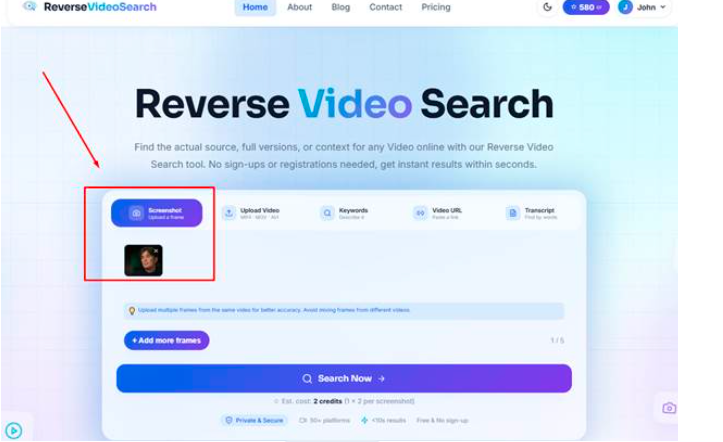
The research process
The tool took a few seconds to analyze the frame. It basically identified different visual elements in the frame to match it with videos available online.
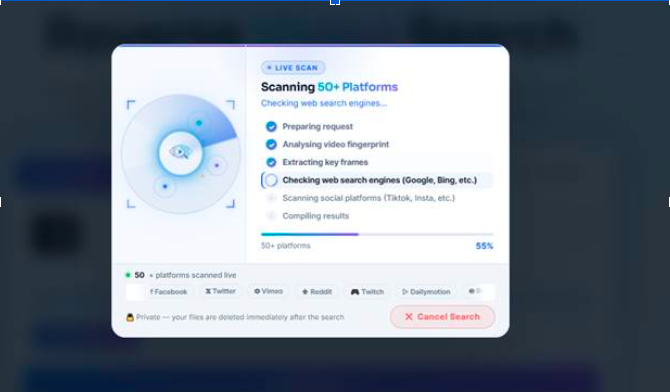
After waiting for about a minute, the tool gave me different search results.
Finding the original video source
This is where things become just a little bit tricky. Usually, reverse video search tools give you multiple video search results from different platforms, such as YouTube, X, Dailymotion, and even some blog posts.
So, you have to use your own judgment to decide which one is the original source.
As for my video, here are the results that the tool gave me:
As you can see, there are different videos. Most results seem to be clips posted by fans on different websites.
However, the titles of some other videos seemed to be authentic. These are the original videos posted by the “60 Minutes” interview program with the title “Cillian Murphy: The 60 Minutes Interview” on YouTube and Paramount Plus.
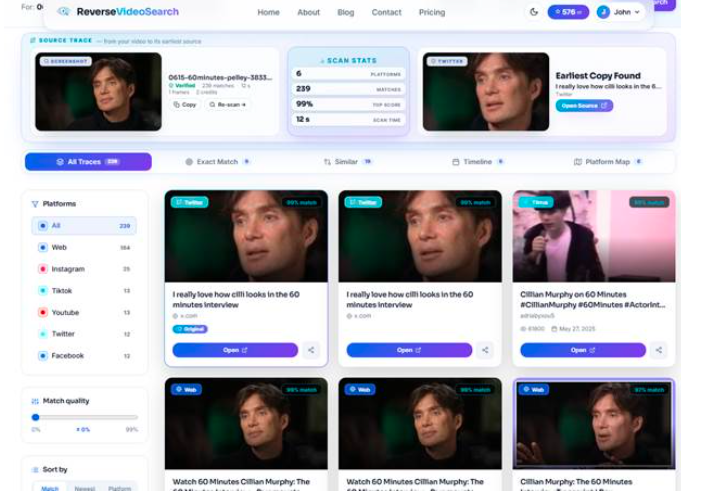
This is how I got to know that the clip I saw on Instagram was from CBS’ popular interview show, 60 Minutes.
What does this all mean to you?
My experience with reverse searching and tracking down the original video source can be helpful to you as well. We see short video clips on the Internet all the time. The same goes for specific frames of videos that are turned into memes or used for general social media posts.
If you ever feel curious about finding the original context behind the video, this procedure can help. Just follow what I did, and I’m sure you will be able to find the original video accurately and find out the context behind it.
About the Creator
Gulshan
SEO Services, Guest Post & Content Writter.
Enjoyed the story? Support the Creator.
Subscribe for free to receive all their stories in your feed.
Comments
There are no comments for this story
Be the first to respond and start the conversation.