
Human-Computer Interaction (HCI)
The Role of HCI in Designing User-Friendly Interfaces


In today's digital age, user-friendly interfaces have become a crucial aspect of designing successful software applications and websites. The way users interact with technology has evolved significantly, and Human-Computer Interaction (HCI) plays a vital role in creating intuitive and engaging interfaces that meet user needs and expectations. HCI combines principles from computer science, psychology, and design to enhance the usability and user experience (UX) of digital products. Let's explore the role of HCI in designing user-friendly interfaces.
First and foremost, HCI focuses on understanding users and their needs. It involves conducting user research, which may include surveys, interviews, and usability testing, to gain insights into user preferences, behaviors, and pain points. By understanding the target audience, designers can create interfaces that cater to their specific requirements. HCI methodologies, such as user personas and user journey mapping, help designers empathize with users and design interfaces that align with their mental models and workflows.
One of the primary goals of HCI is to enhance the usability of interfaces. Usability refers to the ease with which users can accomplish their tasks within a system. HCI principles guide designers in creating interfaces that are intuitive and efficient. Through iterative design processes, designers can refine interfaces based on user feedback and make improvements to optimize usability. Techniques such as information architecture, navigation design, and interaction design are essential in creating interfaces that are easy to learn and use.
Another crucial aspect of HCI is the consideration of user experience (UX). UX encompasses the overall experience and satisfaction users derive from using a product. HCI aims to create interfaces that not only fulfill functional requirements but also evoke positive emotions in users. By applying HCI principles, designers can create interfaces that are aesthetically pleasing, engaging, and enjoyable to interact with. Design elements such as color schemes, typography, visual hierarchy, and animation contribute to the overall UX and help establish a strong connection between users and the interface.
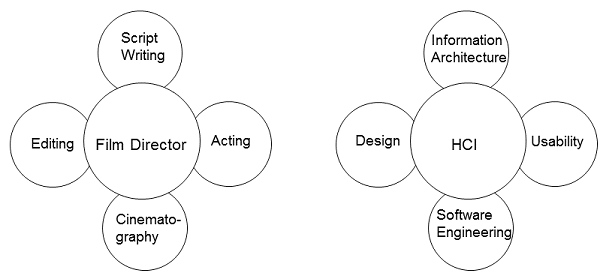
HCI also plays a vital role in ensuring accessibility in interface design. Accessibility involves designing interfaces that can be used by people with disabilities or impairments. HCI principles guide designers in making interfaces inclusive and accommodating to a wide range of users. For instance, considerations such as providing alternative text for images, using proper color contrast for readability, and implementing keyboard navigation options are all crucial in making interfaces accessible. By prioritizing accessibility in interface design, HCI contributes to creating digital products that can be used by everyone, regardless of their abilities.
Furthermore, HCI takes into account the context in which interfaces are used. Designers need to consider various factors such as the user's environment, device capabilities, and interaction constraints. For example, designing a mobile application requires different considerations compared to designing a desktop application. HCI principles guide designers in adapting interfaces to different contexts and ensuring that they remain usable and effective across various devices and platforms.
HCI is a multidisciplinary field that continues to evolve alongside technological advancements. As new technologies emerge, such as virtual reality, augmented reality, and voice interfaces, HCI principles help designers understand how users interact with these technologies and design interfaces that leverage their potential effectively. By staying abreast of the latest HCI research and best practices, designers can create innovative and user-friendly interfaces that push the boundaries of user experience.
In conclusion, HCI plays a crucial role in designing user-friendly interfaces. By focusing on user needs, enhancing usability, considering user experience, ensuring accessibility, and adapting to various contexts, HCI principles guide designers in creating interfaces that are intuitive, engaging, and effective. As technology continues to evolve, the role of HCI becomes even more critical in ensuring that interfaces meet the evolving expectations and requirements of users. By embracing HCI principles, designers can create digital products that not only satisfy functional requirements but also provide delightful experiences to users.
About the Creator
SUSILKUMAR S
I am dedication and commitment to their craft have earned them a loyal following, and they continue to captivate their audience with fresh, well-crafted content on a regular basis. Their blog serves as a reliable destination for individual
Enjoyed the story? Support the Creator.
Subscribe for free to receive all their stories in your feed.
Comments
There are no comments for this story
Be the first to respond and start the conversation.