
How Warning Labels on Ultra-Processed Foods Could Redefine America’s Health Crisis
The Ultra-Processed Food Problem

How Warning Labels on Ultra-Processed Foods Could Redefine America’s Health Crisis
Let’s face it: America’s relationship with food is… complicated. On one hand, we’ve got kale smoothies and quinoa bowls. On the other, we’ve got mystery meat nuggets and cheese dust-covered snacks that glow in the dark (okay, maybe not literally, but you get the point). Enter ultra-processed foods—the sneaky culprits behind our expanding waistlines and health woes. But what if we slapped a warning label on these guilty pleasures? Could it actually make a difference? Let’s dig in (pun intended).
The Ultra-Processed Food Problem
Ultra-processed foods are everywhere. They’re cheap, convenient, and designed to make you crave more. Think chips, sodas, frozen pizzas, and those ”just add water” meals that somehow taste like nostalgia but probably shouldn’t. The problem? These foods are packed with sugar, salt, unhealthy fats, and enough preservatives to outlive a cockroach.
Studies show that ultra-processed foods are linked to obesity, heart disease, diabetes, and even mental health issues. Yet, we keep eating them. Why? Because they’re engineered to be addictive. It’s like they whisper, ”Eat me, you know you want to,” and before you know it, you’ve polished off an entire family-sized bag of chips.
The Warning Label Solution
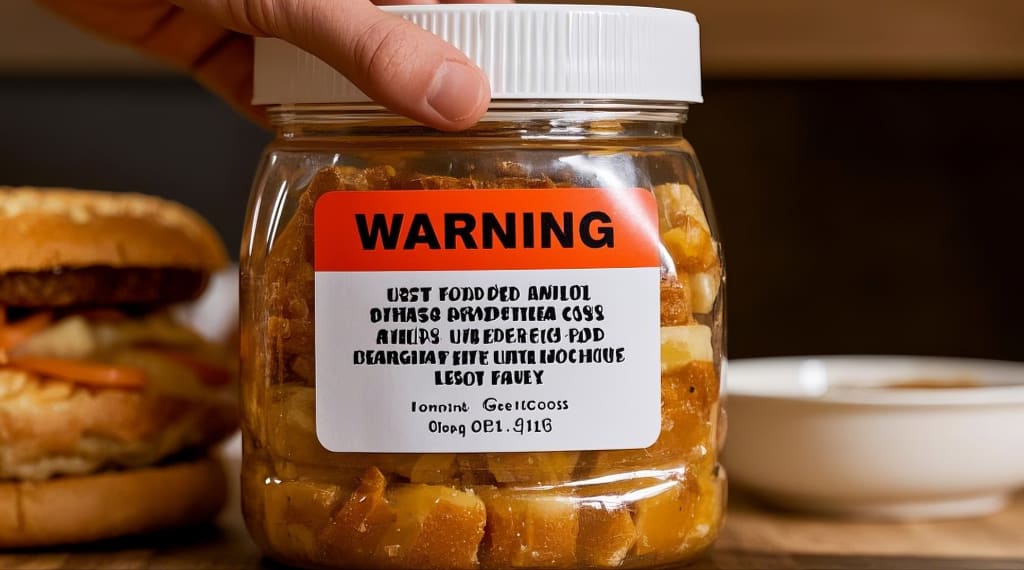
Here’s where warning labels come in. Imagine picking up a bag of ”Cheesy Explosion Puffs” and seeing a bold label that says: ”Warning: Eating this may turn your arteries into a parking lot.” Harsh? Maybe. Effective? Possibly.
Countries like Chile and Mexico have already implemented warning labels on unhealthy foods, and guess what? People are buying less of them. It’s like when your mom used to say, ”Don’t touch that, it’s hot,” and you listened because, well, you didn’t want to get burned.
How Labels Could Change the Game
Awareness: Let’s be real—most of us don’t read nutrition labels. They’re confusing, tiny, and written in a font size only ants can read. But a big, bold warning label? That’s hard to ignore. It’s like the food version of a ”Caution: Wet Floor” sign.
Behavior Change: When people see a warning label, they might think twice before grabbing that ”Sugar Bomb Cereal” for breakfast. Sure, it tastes like childhood, but do you really want to start your day with a side of guilt?
Industry Pressure: If warning labels become mandatory, food companies might actually reformulate their products to avoid the shame. Imagine a world where ”Healthy-ish Snacks” aren’t just a marketing gimmick.
The Funny Side of Warning Labels
Let’s be honest—some of these labels could be downright hilarious. Picture this:
On a soda can: ”Warning: This drink contains enough sugar to power a toddler for 12 hours.”
On a bag of chips: ”Caution: May cause uncontrollable couch-lock and Netflix binges.”
On a frozen pizza: ”Warning: Eating this may result in regret and stretchy pants.”
Sure, it’s funny, but it also drives the point home. Sometimes, humor is the best way to get people to pay attention.
The Big Question: Will It Work?
Will warning labels solve America’s health crisis overnight? Probably not. But they could be a step in the right direction. After all, Rome wasn’t built in a day, and neither was America’s love affair with ”Double Stuf Oreos.”
The truth is, change starts with awareness. If warning labels can make people think twice about what they’re eating, that’s a win. And who knows? Maybe one day, we’ll look back and laugh at the time we thought ”Cheetos” were a food group.
Final Thoughts
Ultra-processed foods aren’t going anywhere anytime soon. But with a little help from warning labels, we might just start making better choices. So the next time you reach for that ”Mega Gulp” soda or ”Supersized Fries,” remember: your health is worth more than a fleeting moment of cheesy, salty bliss.
About the Creator
Enjoyed the story? Support the Creator.
Subscribe for free to receive all their stories in your feed.
Comments
There are no comments for this story
Be the first to respond and start the conversation.