
How to Use Resistance Bands: A Complete Beginner’s Guide to Getting Fit Anywhere
Your Ultimate Guide to Full-Body Workouts Anytime, Anywhere with Resistance Bands
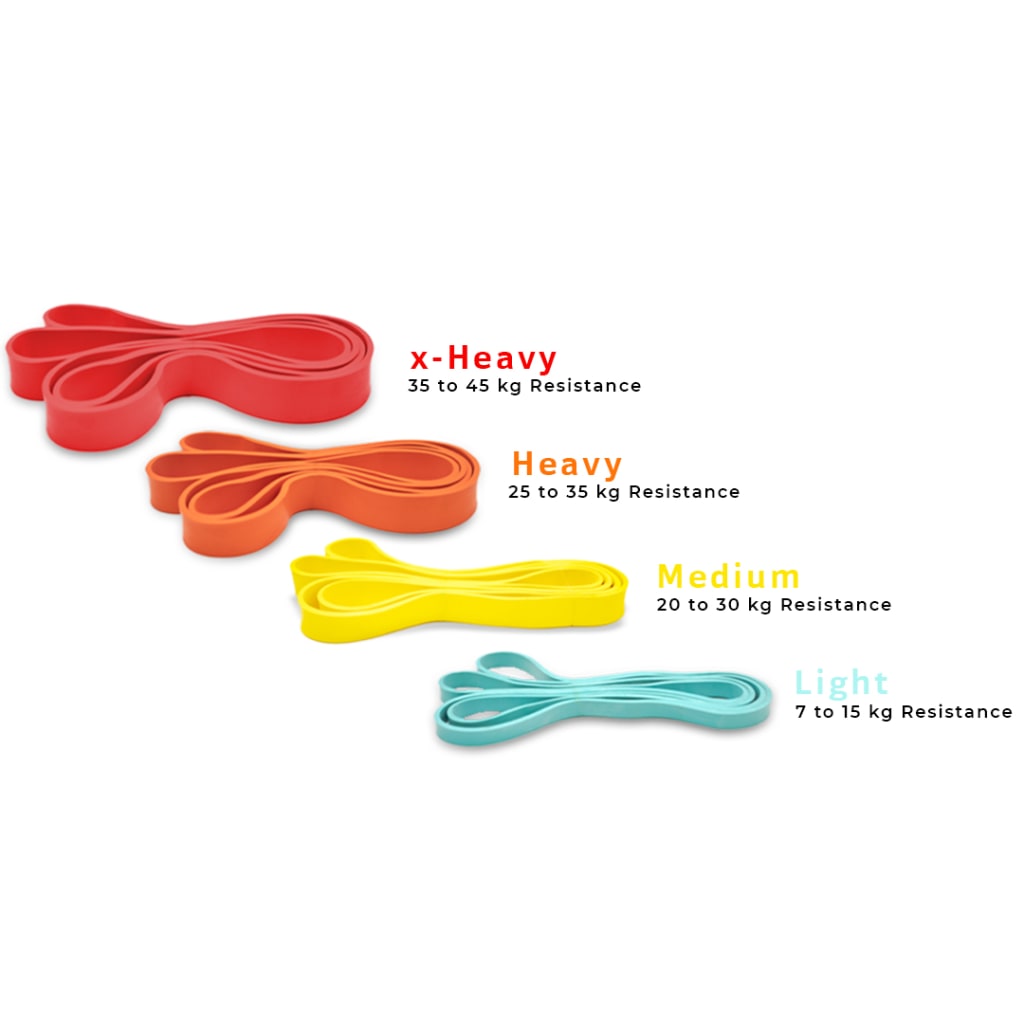
In recent years, resistance bands have taken the fitness world by storm—and for good reason. Whether you’re just starting your fitness journey or you're a seasoned athlete looking for a low-impact workout option, Fitness resistance bands are an affordable, effective, and portable tool that can be used virtually anywhere. In this guide, we’ll break down how to use resistance bands properly and effectively to build strength, tone muscles, and enhance flexibility.
What Are Resistance Bands?
Resistance bands are elastic bands made from latex or rubber that provide resistance when stretched. They come in various shapes, sizes, and resistance levels—from light to extra heavy. Some are flat and looped, while others come with handles or attachments for specific exercises.
They’re used to mimic the resistance you’d typically get from weights, but with added portability and versatility. You can use them for full-body workouts, stretching, physical therapy, and even warm-up routines.
Benefits of Using Resistance Bands
- Before diving into how to use them, here are some benefits:
- Portable and Lightweight: Easily fit into your bag or suitcase, ideal for home or travel workouts.
- Versatile: Suitable for upper body, lower body, and core exercises.
- Joint-Friendly: Provide smooth resistance without the harsh impact on joints.
- Cost-Effective: An affordable alternative to gym memberships and weight equipment.
- Customizable Workouts: Comes in various resistance levels for progression and different fitness goals.
How to Use Resistance Bands for Different Muscle Groups
Let’s explore how to incorporate resistance bands into your routine for a complete body workout.
1. Upper Body Workouts
a) Bicep Curls
Step on the center of the band with both feet shoulder-width apart. Hold the ends with palms facing up and curl your hands toward your shoulders. Slowly lower and repeat.
b) Shoulder Press
Stand on the band, hold the ends at shoulder height with palms facing forward. Press your hands upward until arms are fully extended, then return to the starting position.
c) Tricep Extensions
Hold one end of the band behind your back with one hand and the other end with the opposite hand above your head. Extend your top arm straight up to target the triceps.
2. Lower Body Workouts
a) Squats
Stand on the band with feet hip-width apart. Hold the handles at shoulder height. Perform a squat by bending your knees and lowering your hips, then return to standing.
b) Glute Bridges
Lie on your back with the band around your thighs just above the knees. Feet flat, knees bent. Lift your hips toward the ceiling while squeezing your glutes, then lower.
c) Side Steps
Place the band around your legs just above your knees. Lower into a half-squat and take small steps to the side, maintaining tension in the band to activate glutes and thighs.
3. Core Workouts
a) Russian Twists
Sit on the floor with legs bent. Place the band under your feet and hold the ends with both hands. Lean back slightly and twist your torso from side to side.
b) Plank Row
Anchor the band to a stable object. Get into a plank position holding one end of the band. Row the band back toward your hip while keeping your core engaged.
c) Standing Oblique Crunch
Stand with feet shoulder-width apart, one end of the band under your foot and the other in your hand. Bend sideways toward your leg and return to the starting position.
Tips for Effective Resistance Band Workouts
Choose the Right Resistance: Start with a light band if you’re a beginner and progress as you build strength.
Focus on Form: Maintain proper posture and controlled movements to prevent injury.
Warm-Up First: Always warm up your muscles before using resistance bands to avoid strains.
Incorporate Rest: Give your muscles time to recover between workouts.
Mix It Up: Use resistance bands in conjunction with other workouts for a varied and balanced routine.
Common Mistakes to Avoid
Letting the Band Snap Back: Always control the band’s tension both during and after each movement.
Not Anchoring Properly: Ensure the band is securely fixed or stepped on to avoid slippage.
Overstretching: Don’t stretch the band beyond its capacity—this can damage the band or cause injury.
Conclusion: Start Simple, Stay Consistent
Resistance bands are a powerful addition to any workout routine, no matter your fitness level. They allow for effective full-body training with minimal equipment, making them ideal for busy schedules and limited spaces.
So grab your resistance band, start with the basics, and challenge yourself as you grow stronger. Whether your goal is to build muscle, tone up, or stay active on the go—resistance bands are your all-in-one solution.
About the Creator
Enjoyed the story? Support the Creator.
Subscribe for free to receive all their stories in your feed.
Comments