
How to Treat a Puncture Wound: First Aid Guide for Students and Professionals
Learn step-by-step treatment for puncture wounds, from cleaning to dressing, with hands-on practice using simulation models for safe skill development.
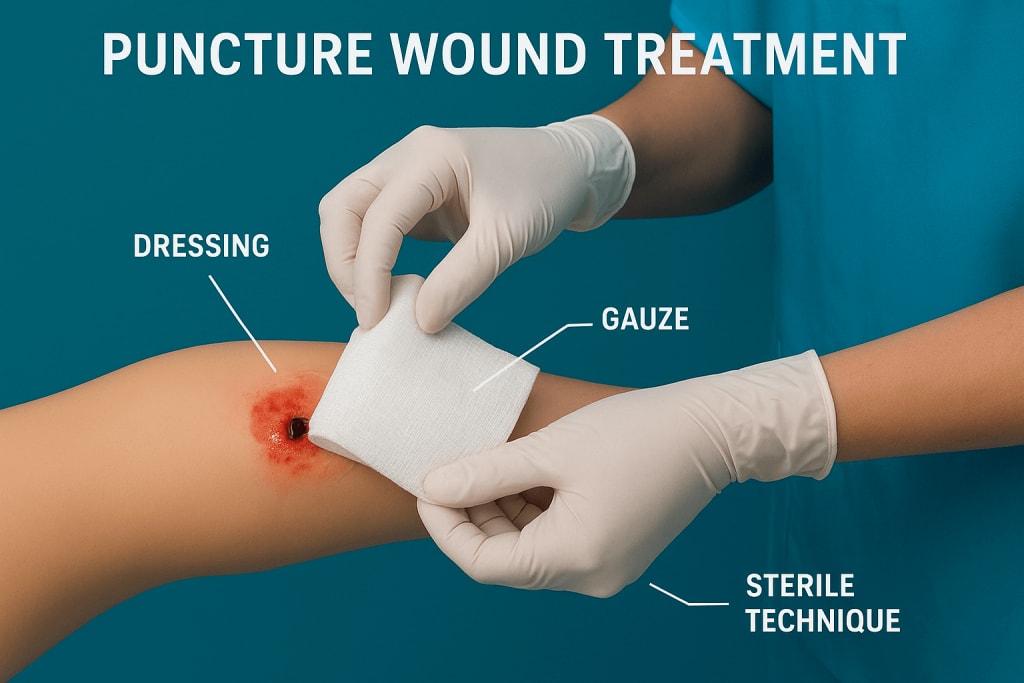
I'll never forget the day a construction worker was rushed into our clinic after stepping on a rusty nail. At first glance, the wound seemed minor - a tiny puncture on the sole of his foot. But as I observed and assisted my mentor, I realized how deceptively dangerous puncture wounds can be. Deep tissue injury, hidden debris, and the high risk of infection made me appreciate the importance of proper assessment and treatment. That day marked a turning point in my practical training in wound care.
Step-by-Step Guide to Treating Puncture Wounds
1. Ensure Safety and Personal Protection
Before handling any wound, wear gloves to prevent contamination and protect yourself. Use antiseptic solutions or alcohol wipes to clean the surrounding area.
2. Control Bleeding
Although puncture wounds often bleed minimally, apply gentle pressure with sterile gauze to control any bleeding. Avoid aggressive squeezing, as this can push bacteria deeper into the tissue. Simulation with the Wearable Thigh Puncture Wound Bleeding Control Trainer allows trainees to practice controlling bleeding without causing tissue damage.
3. Clean the Wound
Flush the puncture wound thoroughly with clean water or saline to remove visible debris. Avoid using harsh chemicals directly in the wound, as this can damage tissue. Carefully examine for any remaining foreign material, which is a common cause of infection.
4. Assess the Depth and Severity
A small entry point can conceal deep damage. Check if the wound affects muscles, tendons, or bone. Signs such as limited range of motion, intense deep pain, or swelling may indicate a more serious injury. In educational settings, using models like the Wearable Knife Wound Packing Training Kit helps students learn to evaluate depth and tissue involvement safely.
5. Apply Appropriate Dressing
Once cleaned, cover the wound with a sterile dressing or bandage. For deeper punctures, a specialized packing technique may be required to allow drainage and prevent abscess formation. Practice with puncture wound packing trainers is invaluable for understanding proper technique.
6. Monitor for Signs of Infection
Instruct patients to watch for redness, swelling, pus, foul odor, or fever. These are early indicators of infection and may require medical attention. Foot punctures and hand punctures are especially prone to infection, as highlighted in our guides Foot Puncture Wounds: Causes, Risks, and Treatment Tips and Hand Puncture Wounds: When to Seek Medical Care
7. Seek Professional Medical Care When Necessary
- Deep wounds reaching tendons, muscles, or bone
- Puncture wounds contaminated with dirt or rust
- Persistent bleeding or signs of infection
- Patient without up-to-date tetanus immunization
Using Simulation Models in Training
For students and healthcare professionals, hands-on practice is crucial. The Wearable Arm Sleeve Knife Wound Care Training Kit allows trainees to perform first aid, clean wounds, pack deep punctures, and apply dressings in a realistic scenario. By practicing on puncture wound packing trainers, learners gain confidence in assessment and intervention, reducing errors in real clinical situations.
Key Takeaways
Puncture wounds may appear minor but carry significant risks due to depth and infection potential. Early, proper care - including bleeding control, thorough cleaning, depth assessment, and appropriate dressing - is essential. Simulation models provide a safe, realistic platform for students to develop these vital skills.
By combining theoretical understanding with hands-on practice, medical students, nurses, and first responders can deliver effective puncture wound care, prevent complications, and improve patient outcomes.
Enhancing Learning Through Reflection and Repetition
One of the most effective ways to master puncture wound care is through repeated practice and reflective learning. After completing hands-on sessions with puncture wound packing trainers or the Wearable Thigh Puncture Wound Bleeding Control Trainer, take time to review each step: Did you notice subtle signs of deep tissue involvement? Was your dressing applied correctly? Reflecting on these experiences helps solidify skills, improves confidence, and prepares you for real-life scenarios where timely intervention can make a life-saving difference. Regular practice with realistic simulation models ensures that learners are not only technically competent but also able to recognize complications early, ultimately enhancing patient safety and outcomes.
About the Creator
Enjoyed the story? Support the Creator.
Subscribe for free to receive all their stories in your feed.
Comments
There are no comments for this story
Be the first to respond and start the conversation.