
How to Train Your Dog: Practical Tips for Every Owner
Key Pointers
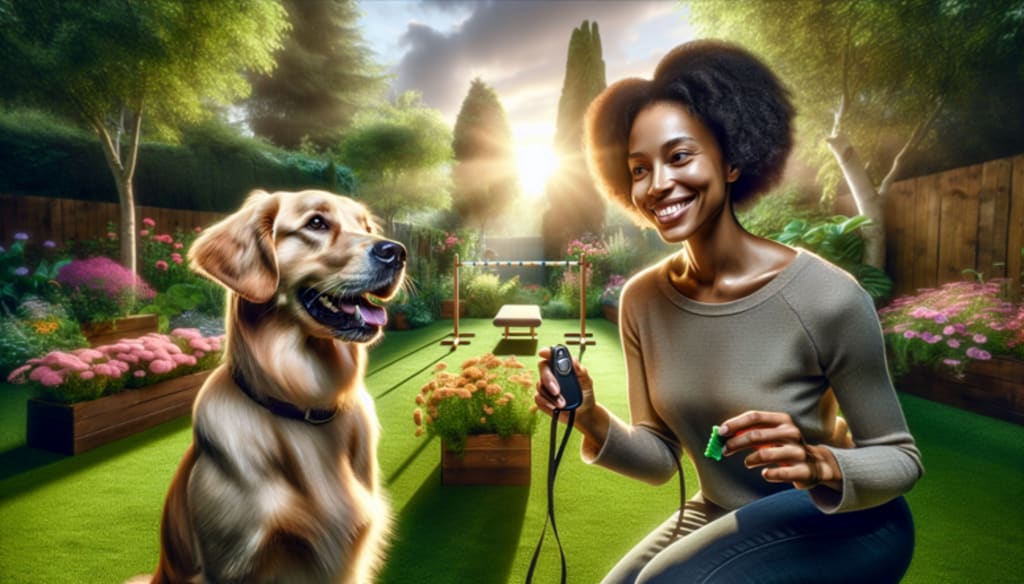
As a dog owner, I know how challenging it can be to train your furry friend. Learning how to train your dog effectively is crucial for a harmonious relationship between you and your pet. We all want well-behaved companions, but achieving that goal requires dedication, patience, and the right approach. Positive reinforcement and rewarding good behavior are key elements in successful dog training.
In this article, we'll explore practical tips to help every owner train their dog successfully. We'll cover creating a positive training environment, essential commands your dog should know, and the importance of consistency in your training efforts. We'll also delve into advanced techniques and socialization strategies to ensure your dog becomes a well-rounded, obedient companion. By the end, you'll have a solid foundation to begin or improve your dog training journey.
Establishing a Positive Training Environment
To effectively train your dog, we need to create an environment that encourages learning and positive behavior. This involves setting up a safe space, choosing the right rewards, and setting realistic expectations.
Creating a Safe Space
I've found that having a designated safe space for my dog has a significant impact on their training progress. This area should be a refuge where they can relax and feel secure. I make sure it's easily accessible and comfortable, with a cozy bed or mat and some favorite toys. It's crucial to never use this space for punishment, as we want our dogs to associate it with positive experiences.
Choosing the Right Rewards
When it comes to how to train your dog, selecting appropriate rewards is key to positive reinforcement. I experiment with different treats to find what my dog responds to best. Sometimes, it's not just about food – praise, petting, or a favorite toy can be equally effective. I always have a variety of rewards on hand during training sessions to keep my dog engaged and motivated.
Setting Realistic Expectations
I've learned that patience is crucial when training a dog. It's important to remember that puppies, like children, learn at their own pace. I set achievable goals based on my dog's age and abilities, focusing on one skill at a time. This approach helps prevent frustration for both of us and makes the training process more enjoyable.
By establishing this positive training environment, I've seen remarkable improvements in my dog's behavior and our bond has grown stronger.
How to train your dog effectively
Essential Commands Every Dog Should Know
Sit, Stay, and Come
Teaching your dog basic commands is crucial for their safety and your peace of mind. The "sit" command is a great starting point. To teach it, hold a treat above your dog's head and slowly move it back. As they follow the treat, their bottom will naturally lower. When it touches the ground, say "sit" and reward them.
The "stay" command is equally important. Begin with your dog in a sitting position. Slowly back away, saying "stay." If they move, gently guide them back to the original spot and try again. Gradually increase the distance and duration.
"Come" is a potentially life-saving command. Start by putting your dog on a leash and saying "come" while lightly tugging. When they reach you, reward them generously. Practice this daily, gradually increasing the distance.
Leash Training Basics
Leash training is essential for enjoyable walks. Start by letting your dog get used to wearing a collar and leash indoors. Use treats to reward them for walking beside you. When outside, if your dog pulls, become a "tree" - stand still until they return to your side. Consistency is key in leash training.
Addressing Problem Behaviors
To address problem behaviors, it's important to understand their causes. For example, excessive barking often stems from boredom or lack of mental stimulation. Provide interactive toys and structured activities to keep your dog engaged. For behaviors like jumping or nipping, redirect their attention and reward calm behavior. Remember, positive reinforcement is more effective than punishment in shaping good behavior.
Consistency and Patience in Dog Training
When it comes to how to train your dog, consistency and patience are crucial. I've learned that maintaining a positive attitude throughout the training process leads to a happier relationship with my furry friend. It's important to remember that dogs, like humans, learn at their own pace. If I'm feeling frustrated or having a bad day, I avoid training sessions as my mood can affect my dog's experience.
How to train your dog effectively
Developing a Training Schedule
To effectively train my dog, I've found that creating a consistent schedule is key. I set aside specific times each day for short training sessions, usually lasting 5-10 minutes for younger puppies and 10-15 minutes for older ones. By sticking to this routine, my dog knows what to expect, which helps build confidence and promotes good behavior.
Handling Setbacks
Setbacks are a normal part of the training journey. When they occur, I remind myself that it's not a sign of failure. Instead of getting discouraged, I take a step back and return to the basics. This approach helps rebuild confidence for both of us. I also make sure to change the context of our training sessions, practicing in different locations to keep things fresh and engaging.
Celebrating Small Victories
I've learned to appreciate and celebrate every small success in our training journey. Whether it's my dog focusing on me despite distractions or mastering a new command, these little victories are worth recognizing. By acknowledging these achievements, I stay motivated and create a positive atmosphere that strengthens our bond. Remember, consistency in rewarding good behavior and using positive reinforcement goes a long way in successful dog training.
Advanced Training Techniques and Socialization
Once your dog has mastered basic obedience, it's time to move on to advanced training techniques and socialization. These skills will help your furry friend become more confident and well-behaved in various situations.
Introducing New Environments
To train your dog effectively, we need to expose them to different environments. This helps them adapt to new situations and reduces anxiety. We start by taking short walks in quiet areas, gradually increasing the level of stimulation. During these outings, we reward calm behavior with treats and praise. This positive reinforcement helps our dog associate new experiences with good things.
Interacting with Other Dogs and People
Socialization is crucial for a well-rounded dog. We begin by introducing our dog to a single, friendly dog in a neutral area. We keep the initial meetings brief and always supervise the interactions. As our dog becomes more comfortable, we can progress to group settings like dog parks. We also introduce our dog to different types of people, including children and seniors. Throughout these interactions, we use positive reinforcement to reward good behavior.
Mental Stimulation Exercises
Advanced training isn't just about physical skills; it's also about keeping our dog's mind sharp. We incorporate puzzle toys and interactive games into our training routine. These activities challenge our dog's problem-solving abilities and provide mental stimulation. We can hide treats around the house or use food puzzles to make mealtime more engaging. These exercises help prevent boredom and reduce destructive behaviors.
How to train your dog effectively
Conclusion
Training your dog is a journey that has a profound impact on your relationship with your furry friend. By creating a positive environment, mastering essential commands, and staying consistent, you're setting the stage for a well-behaved and happy companion. Remember, patience is key, and celebrating small wins along the way keeps both you and your dog motivated.
As you progress to advanced techniques and socialization, you're helping your dog become more confident and adaptable. Exposing them to new environments, other dogs, and people, along with providing mental stimulation, leads to a well-rounded pet. In the end, the time and effort you invest in training your dog not only results in better behavior but also strengthens the bond between you and your four-legged family member.
This article contains affiliate links. I may earn a small commission if you purchase anything.
## FAQs
1. How can I train my dog effectively?
To train your dog effectively, utilize reward-based training methods. This involves giving your dog something they love, such as food, toys, or praise, when they exhibit a desired behavior. This increases the likelihood of the behavior being repeated. It's crucial to discover what your dog is particularly fond of to use it as a motivator.
2. What are some of the most challenging commands to teach a dog?
Some of the toughest tricks to teach a dog include getting them to focus on you, performing a handstand, playing the piano, cleaning up, army crawling, giving a kiss, walking backwards, and cleaning their paws. These require patience and consistent practice.
3. Which dog training method is considered the most effective?
The consensus among veterinarians is that positive reinforcement training is the most effective method for training dogs. This technique rewards dogs for desirable behavior, which encourages them to repeat it.
4. What are five essential steps in training a dog?
Here are five key steps for training your dog:
a. Establish a consistent training schedule and keep sessions brief to maintain your dog's attention.
b. Start with basic commands and use cue words only once to avoid confusion.
c. Employ positive reinforcement and offer small treats as rewards for good behavior.
d. Choose a training time when there are no distractions around.
e. Schedule training sessions before meals to harness your dog's natural focus and drive.
About the Creator
Stephen Vigil
Hi, I'm Stephen Vigil. I'm passionate about a dog's fitness and nutrition. I love to share healthy tips and fun workouts to help dogs thrive. Join me on my journey to promote healthier, happier pups and inspire pet owners everywhere!
Enjoyed the story? Support the Creator.
Subscribe for free to receive all their stories in your feed.
Comments
There are no comments for this story
Be the first to respond and start the conversation.