
How To Start ATM Bussiness
How Handel Willington Build $1.2M Bussiness
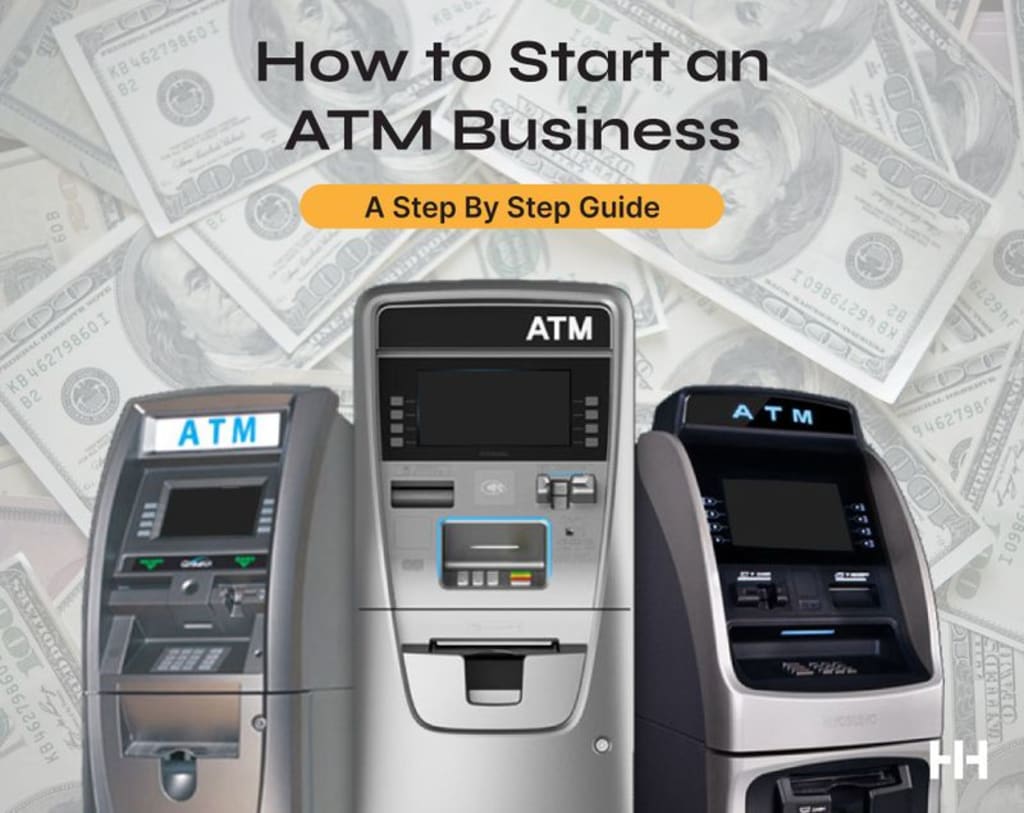
Starting an ATM business can be a rewarding venture if approached correctly.
Begin by researching potential locations with high foot traffic, such as malls, gas stations, and convenience stores.
Once you’ve identified ideal spots, you’ll need to acquire ATMs—either by purchasing or leasing them.
It's important to partner with a reliable ATM supplier to ensure you get quality machines and support.
Next, understand the legal requirements in your area, including permits and compliance with regulations.
After securing your machines, establish a connection with a cash logistics company to handle cash replenishment and maintenance.
Additionally, consider how to market your ATMs, such as offering competitive transaction fees or providing excellent customer service.
Building strong relationships with location owners can also enhance your business.
With careful planning and execution, you can create a successful ATM business that serves your community’s cash needs while generating steady income. How Does Atm Business Work? The ATM business operates by providing convenient cash access to customers while generating income for the owner.
When a user withdraws cash from an ATM, they typically pay a transaction fee, which is shared between the ATM owner and the bank that processes the transaction.
The ATM owner purchases or leases the machines and places them in high-traffic locations, such as convenience stores or gas stations, to maximize usage. The owner is responsible for maintaining the machines, ensuring they are stocked with cash, and addressing any technical issues.
They often partner with a cash logistics company to handle cash replenishment and maintenance.
Additionally, the owner must monitor transaction volumes to assess the performance of each ATM and adjust strategies as needed.
By offering reliable service and competitive fees, ATM owners can create a steady income stream while meeting the cash needs of their local communities. Is Atm Business Profitable? The ATM business can be quite profitable, offering a steady income stream for savvy entrepreneurs.
By placing ATMs in high-traffic areas, such as convenience stores, bars, or shopping centers, owners can earn transaction fees each time someone uses their machine.
These fees can add up quickly, especially in busy locations where cash withdrawals are frequent.
Additionally, many ATM owners benefit from passive income, as once the machines are installed and stocked with cash, they require minimal ongoing effort.
However, success depends on factors like the location, maintenance costs, and competition.
It's essential to conduct thorough research and understand local regulations before diving in.
While the initial investment in purchasing and installing ATMs can be significant, the potential for profitability makes it an attractive option for those looking to enter the financial services industry.
With careful planning and management, the ATM business can indeed be a rewarding venture. ATM Mastery And Monetization Review? The ATM Mastery and Monetization Course is designed by Handel Willington.
He makes $1.2M in first year and teaches you everything step by step to build million dollar bussiness.
This comprehensive program covers everything from selecting profitable locations to negotiating contracts and managing cash flow.
Participants will learn essential strategies for maximizing transaction fees and increasing their return on investment.
With step-by-step guidance and expert insights, the course demystifies the ATM industry, making it accessible to anyone, regardless of prior experience. Click The Link To Kickstart Your Journey Cost To Start Atm Business? Starting an ATM business involves several costs that entrepreneurs should consider.
The most significant expense is purchasing the ATM itself, which can range from $2,000 to $8,000, depending on the model and features.
Additionally, you'll need to budget for installation, which may include securing a location and possibly paying a one-time placement fee.
Cash is another critical expense, as you'll need to load your ATM with funds to facilitate withdrawals; this amount can vary based on transaction volume but typically starts at around $2,500 to $5,000.
Don’t forget ongoing costs, such as maintenance, insurance, and transaction processing fees, which can impact your profits.
Licensing and compliance costs are also important, as you must adhere to local regulations.
While the initial investment can be substantial, the potential for steady income makes it an appealing venture for those willing to navigate these startup costs carefully. Final Verdict - Is ATM Bussiness Actually Worth It? While there are initial costs to consider, the long-term profitability can make it a rewarding venture.
If you're looking for a passive income stream and are ready to navigate the startup process, the ATM business is definitely worth exploring.
About the Creator
Enjoyed the story? Support the Creator.
Subscribe for free to receive all their stories in your feed.
Comments
There are no comments for this story
Be the first to respond and start the conversation.