
How to Diagnose Post partum Depression: 5 Powerful Steps
How to Diagnose Post partum Depression

Introduction
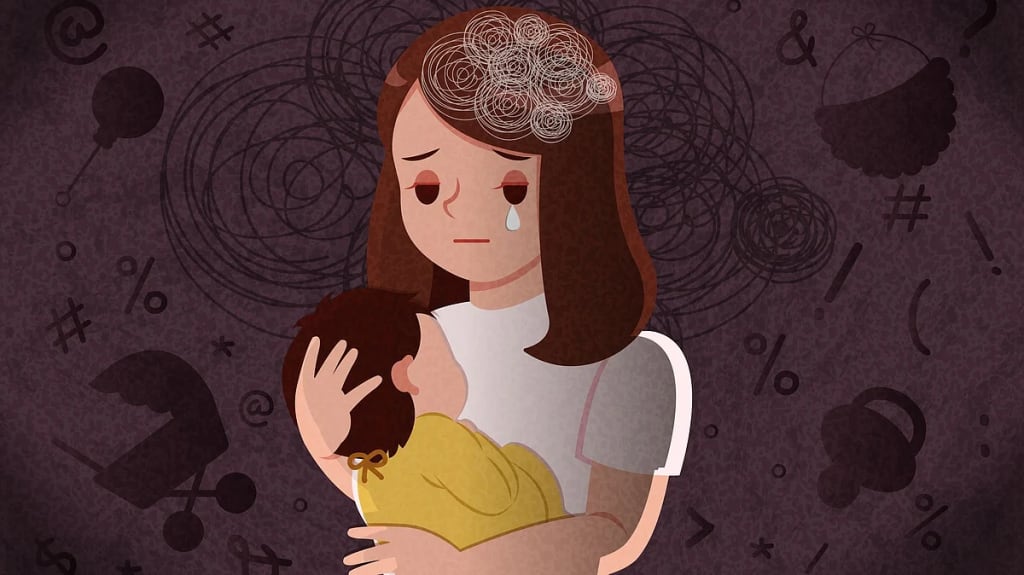
Wondering how to diagnose post partum depression? Post partum depression (PPD) is a serious mental health condition that affects many new mothers after childbirth. While feelings of sadness, fatigue, and anxiety are common during the post partum period, PPD goes beyond the typical “baby blues” and requires proper diagnosis and support. Identifying post partum depression early can help ensure the well-being of both the mother and baby. This article explores five essential steps in how to diagnose post partum depression and the role of professional intervention.
how to diagnose post partum depression
If you need professional support, consulting the best psychiatrist in Delhi can provide valuable insights and personalized strategies for Depression. Consider Visiting:
https://www.bestpsychiatristsindelhi.com/
1. How to Diagnose Post partum Depression: Recognizing the Symptoms
Recognizing the symptoms is the first step in understanding how to diagnose post partum depression. PPD symptoms can develop within the first few weeks after childbirth or even months later. Common symptoms include:
Persistent sadness or low mood
Loss of interest in activities once enjoyed
Changes in appetite and sleep patterns
Fatigue or lack of energy
Difficulty bonding with the baby
Feelings of guilt, hopelessness, or worthlessness
Anxiety or panic attacks
Difficulty concentrating or making decisions
Thoughts of self-harm or harming the baby
Since some of these symptoms may overlap with the natural exhaustion of new motherhood, it is essential to assess their intensity and duration.
2. Differentiating Between Baby Blues and Post partum Depression
It’s crucial to differentiate how to diagnose post partum depression from baby blues, a temporary emotional state experienced by many mothers after childbirth. Baby blues typically occur within the first two weeks post partum and include mood swings, mild sadness, irritability, and fatigue. However, if these feelings persist beyond two weeks, worsen over time, or interfere with daily life, a professional evaluation for post partum depression is necessary.
3. Using Standardized Screening Tools for Diagnosis
Healthcare professionals use various screening tools to assess how to diagnose post partum depression accurately. Some of the most common include:
Edinburgh Postnatal Depression Scale (EPDS): A 10-question self-report screening tool that helps identify PPD symptoms.
Patient Health Questionnaire (PHQ-9): A general depression screening tool that evaluates symptom severity.
Post partum Depression Screening Scale (PDSS): A more detailed assessment designed specifically for post partum women.
These tools provide valuable insights but should always be followed by a professional consultation for an accurate diagnosis.
4. Seeking Professional Evaluation for Post partum Depression
A healthcare provider, such as a gynecologist, psychiatrist, or psychologist, plays a crucial role in diagnosing post partum depression. The evaluation typically includes:
A Detailed Medical History: Discussing past mental health conditions, family history of depression, and current symptoms.
Psychological Assessment: A professional may conduct a clinical interview to assess mood, thoughts, and behaviors.
Physical Examination: Since some medical conditions (such as thyroid imbalances) can mimic PPD symptoms, doctors may recommend lab tests to rule out other causes.
If post partum depression is diagnosed, early intervention and proper support can lead to effective management.
is medicine safe in post partum depression
5. The Role of Medication in Managing Post partum Depression
While therapy and emotional support play crucial roles in how to diagnose post partum depression, medication is sometimes recommended in moderate to severe cases. Healthcare professionals assess each case individually and may suggest safe and effective options for symptom relief.
However, it is essential to consult a doctor before considering any treatment. Non-medication approaches, such as therapy, counseling, and lifestyle changes, may also help manage post partum depression symptoms effectively.
6. The Importance of Support from Family and Community
While medical diagnosis is essential, the role of family, friends, and support groups cannot be overlooked. If a new mother is experiencing symptoms of post partum depression, loved ones should encourage her to seek professional help.
Support systems such as:
Therapy and counseling
Post partum support groups
Community mental health services
…can significantly improve emotional well-being.
Authoritative Resources on Post partum Depression:
National Institute of Mental Health (NIMH)
Centers for Disease Control and Prevention (CDC)
World Health Organization (WHO)
best psychiatrist in delh
Conclusion
Understanding how to diagnose post partum depression involves recognizing symptoms, using standardized screening tools, consulting healthcare professionals, and building a strong support system. Early diagnosis and intervention can help new mothers recover and enjoy their journey into motherhood.
If you or someone you know is experiencing symptoms of post partum depression, seeking professional help is the first step toward healing.
About the Creator
Delhi Mind Clinic
Delhi Mind Clinic provides expert psychiatric care for mental health conditions like anxiety, depression, OCD, and more. Our experienced team offers personalized, compassionate treatment to help individuals lead healthier, happier lives.
Enjoyed the story? Support the Creator.
Subscribe for free to receive all their stories in your feed.
Comments
There are no comments for this story
Be the first to respond and start the conversation.