
How to Create an Effective Manufacturing Training Program to Enhance Safety and Efficiency
Effective Manufacturing Training Program
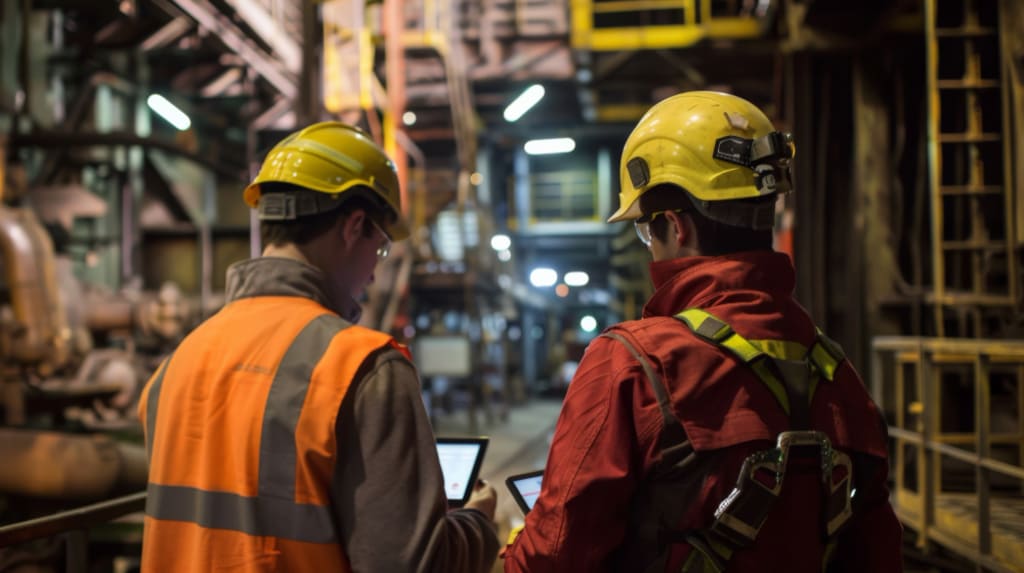
In the fast-paced world of manufacturing, safety and operational efficiency are crucial to maintaining a competitive edge. A tailored training program designed to address the unique needs of your company can significantly improve productivity, reduce workplace hazards, and enhance employee satisfaction. Let’s explore how a well-crafted training program can transform your manufacturing operations.
Why Tailored Training is Critical in Manufacturing
Manufacturing environments are highly diverse, with distinct processes, machinery, and safety risks. A one-size-fits-all training program often fails to address these unique challenges. Tailored training offers numerous benefits:
- Relevance: Training content is directly aligned with the tools, machinery, and workflows that employees use daily, ensuring it is meaningful and practical.
- Safety: By addressing specific hazards unique to your operation, a customized program reduces workplace accidents and enhances safety awareness.
- Efficiency: Tailored training focuses on optimizing processes specific to your company, helping to eliminate bottlenecks and waste, and improving overall resource utilization.
- Employee Engagement: Employees are more likely to engage with training that directly applies to their daily tasks, fostering a culture of continuous learning and improvement.
Steps to Develop an Effective Manufacturing Training Program
Developing a robust manufacturing training program requires a structured approach. Here’s a step-by-step guide to creating a program that addresses your company’s specific needs:
Conduct a Needs Assessment
Identify gaps in skills, safety concerns, and process inefficiencies. Collaborate with managers and employees to understand the areas where training can provide the greatest impact.
Establish Clear Objectives
Set measurable goals for the training program, such as reducing downtime, improving safety compliance, or enhancing production efficiency. Clear objectives will serve as the foundation for the program’s content and structure.
Create Tailored Training Content
Design content that is specifically relevant to your operations. This could include:
- Safety Protocols: Training on workplace-specific hazards, emergency procedures, and safety standards.
- Equipment Handling: Hands-on training with the machinery and tools employees will use in their roles.
- Process Improvement: Teaching employees to optimize workflows, reduce waste, and streamline production processes.

Integrate Technology
Utilize eLearning platforms, virtual simulations, and augmented reality to create immersive training experiences. These technologies allow employees to practice real-world scenarios safely and effectively.
Implement Gradually
Roll out the program in stages, starting with the most critical areas first. This phased approach ensures smoother adoption and allows for the program to be refined as it grows.
Evaluate and Adjust
Continuously monitor the effectiveness of the program through feedback, performance metrics, and safety audits. Regularly update training content to reflect technological advancements and evolving company needs.
Benefits of a Tailored Manufacturing Training Program
A tailored training program brings a variety of benefits that directly impact the overall success of your manufacturing operations:
- Improved Safety: Employees who receive tailored safety training are better equipped to handle specific hazards, reducing the likelihood of accidents.
- Increased Efficiency: Well-trained employees can perform tasks more quickly and effectively, boosting overall productivity.
- Compliance with Regulations: Custom training ensures employees are trained to meet industry-specific regulations, reducing the risk of fines and penalties.
- Enhanced Employee Retention: Offering professional development opportunities through tailored training helps increase employee satisfaction and reduces turnover.
Real-World Example: Success in Action
A global electronics manufacturer revamped its training program to address frequent production delays and safety incidents. By tailoring the content to specific assembly line operations and incorporating virtual reality for equipment training, the company saw remarkable improvements:
- 35% reduction in workplace injuries.
- 20% increase in production efficiency.
- Higher employee morale and retention.

Conclusion
Tailoring your manufacturing training program to meet the specific needs of your operation is key to improving safety, efficiency, and overall productivity. By customizing training to the challenges and requirements of your workforce, you ensure that employees are equipped with the skills and knowledge needed to excel in their roles. Investing in a tailored training program not only strengthens your company’s performance but also fosters a safer, more engaged, and motivated workforce.
About the Creator
Enjoyed the story? Support the Creator.
Subscribe for free to receive all their stories in your feed.
Comments
There are no comments for this story
Be the first to respond and start the conversation.