
How to Build a Strong Learning Culture with an LMS
Empowering Continuous Learning: How an LMS Transforms Workplace Training and Development
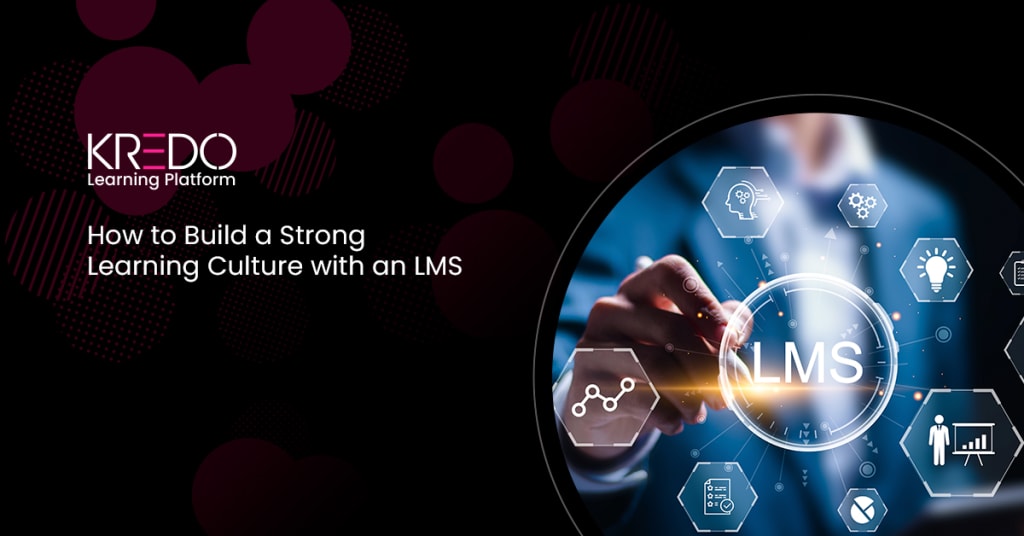
In today’s fast-evolving business landscape, fostering a learning culture with an LMS is crucial for long-term success. Organizations that prioritize continuous learning see increased employee engagement, productivity, and innovation. But how can businesses effectively build and sustain this culture? The answer lies in leveraging a Learning Management System (LMS) to create a structured and engaging learning environment.
This guide explores how an LMS for organizational learning can empower businesses to build a strong learning culture, enhance employee development, and drive overall business growth.
Why a Learning Culture Matters
A strong learning culture ensures that employees continuously acquire new skills, adapt to industry changes, and contribute more effectively to business goals. Organizations that invest in employee development through an LMS experience:
- Higher employee retention rates
- Improved job performance and productivity
- Greater adaptability to industry shifts
- Enhanced innovation and problem-solving capabilities
The Role of an LMS in Building a Learning Culture
A well-integrated LMS for employee development acts as the backbone of an organization's learning culture. Here’s how an LMS contributes to creating a learning environment:
1. Centralized Learning Hub
An LMS serves as a single platform for employees to access courses, training materials, and development programs anytime, anywhere. This accessibility ensures learning becomes an integral part of daily workflows rather than a separate, time-consuming task.
2. Personalized Learning Paths
Every employee has unique learning needs and career aspirations. A robust LMS offers personalized learning paths tailored to individual roles, skill levels, and career goals. This approach increases motivation and engagement, as employees feel their growth is aligned with organizational success.
3. Microlearning and Mobile Learning
Modern LMS solutions support microlearning, where content is broken into bite-sized modules for quick consumption. Additionally, mobile-friendly LMS platforms allow employees to learn on the go, fostering a continuous learning mindset.

4. Gamification for Engagement
Building a learning culture with an LMS is more effective when training is engaging. Gamification elements such as leaderboards, badges, and rewards encourage participation and make learning fun.

5. Collaboration and Social Learning
An LMS enables peer-to-peer learning through discussion forums, group activities, and mentorship programs. Encouraging knowledge sharing creates a collaborative learning culture that enhances overall team performance.
6. Data-Driven Learning Insights
LMS analytics provide valuable insights into employee progress, course completion rates, and skill gaps. Organizations can use this data to refine learning strategies and ensure continuous improvement.
Steps to Implement a Learning Culture Using an LMS
1. Define Learning Objectives and Goals
Start by identifying the core skills and competencies your organization wants to develop. Align these goals with business objectives to ensure learning initiatives contribute to overall growth.
2. Select the Right LMS
Choosing an LMS for organizational learning is a critical step. Consider features like:
- User-friendly interface
- Mobile accessibility
- Integration with existing HR and productivity tools
- AI-driven recommendations
- Compliance tracking and reporting
3. Encourage Leadership Buy-in
A successful learning culture starts at the top. Encourage executives and managers to actively participate in training programs and promote continuous learning within their teams.
4. Create Engaging Content
Content is the heart of an effective LMS for employee development. Use a mix of formats, including videos, interactive quizzes, case studies, and real-world scenarios, to keep learners engaged.
5. Promote Continuous Learning
Make learning a regular practice rather than a one-time initiative. Offer refresher courses, certification programs, and learning challenges to maintain engagement.
6. Recognize and Reward Learning Achievements
Acknowledging employees’ learning milestones reinforces a culture of growth. Use LMS features like digital certificates, leaderboards, and incentive programs to motivate continuous learning.
7. Measure and Improve
Regularly assess the effectiveness of your LMS-driven learning programs. Use data insights to identify areas for improvement and adapt learning strategies accordingly.
Future-Proofing Your Learning Culture
As technology advances, so do learning methodologies. To keep up, organizations should:
- Incorporate AI-driven learning tools for personalized recommendations
- Leverage Virtual Reality (VR) and Augmented Reality (AR) for immersive training experiences
- Emphasize soft skills development alongside technical training
Conclusion
Creating a learning environment with an LMS is not just about deploying a platform—it’s about fostering a mindset of continuous growth. By implementing the right strategies, selecting the best LMS, and engaging employees effectively, organizations can cultivate a learning culture that drives long-term success.
Invest in an LMS for employee development today and take the first step toward transforming your organization into a learning powerhouse.
About the Creator
KREDO Learning
KREDO is the new generation Learning Platform that provides learning courses that best suits the learners’ needs right for the moment, taking into account the business criticality.
Enjoyed the story? Support the Creator.
Subscribe for free to receive all their stories in your feed.
Comments
There are no comments for this story
Be the first to respond and start the conversation.