
How to become successful with Social Marketing
Facts about social Marketing
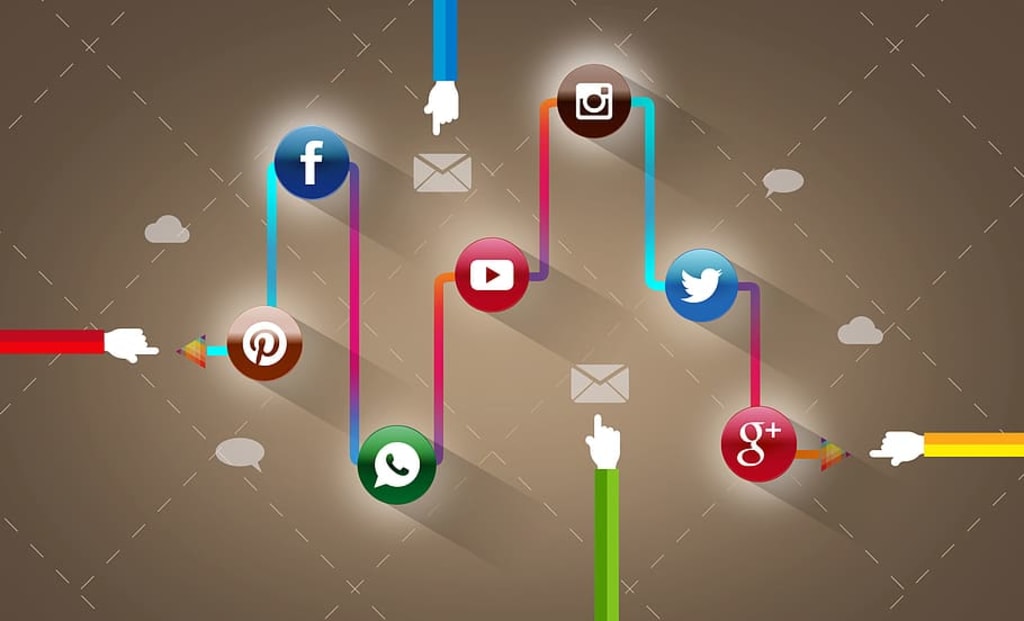
Social marketing is a strategic approach to promoting and influencing positive behavior change in society. It goes beyond traditional marketing techniques to address social issues and improve the well-being of individuals and communities. The primary goal of social marketing is to bring about social good, rather than generate profits for an organization.
The concept of social marketing emerged in the 1970s, influenced by commercial marketing principles and public health campaigns. It draws on the understanding of consumer behavior, psychology, and communication strategies to develop effective campaigns that encourage people to adopt new behaviors or abandon harmful ones.
Social marketing campaigns are often targeted at addressing a wide range of issues, such as public health concerns (e.g., smoking cessation, healthy eating habits, safe sexual practices), environmental conservation (e.g., recycling, energy conservation), social justice (e.g., promoting gender equality, reducing discrimination), and community development (e.g., encouraging volunteerism, fostering community cohesion).
One of the key elements of social marketing is understanding the target audience. Extensive research is conducted to gain insights into their attitudes, beliefs, motivations, and barriers to behavior change. This information helps in developing targeted messages and interventions that resonate with the intended audience and increase the likelihood of behavior adoption.
Social marketing campaigns utilize various channels and communication tools to reach their target audience effectively. These can include traditional media platforms such as television, radio, print, as well as digital platforms like social media, websites, and mobile applications. The choice of channels depends on the characteristics of the target audience and the behavior being promoted.
Successful social marketing campaigns often employ a mix of strategies, including persuasive messaging, storytelling, social norms, incentives, and community mobilization. They aim to create awareness, generate interest, instill motivation, and provide practical tools and resources to facilitate behavior change. Evaluation and feedback mechanisms are crucial to monitor the impact of campaigns and make necessary adjustments to improve their effectiveness.
Social marketing has proven to be a powerful tool in addressing complex social issues and achieving positive societal outcomes. It recognizes that individuals are influenced by a multitude of factors beyond their personal desires and interests, including social norms, cultural values, and environmental cues. By understanding and leveraging these factors, social marketing campaigns can create a supportive environment that encourages and sustains positive behavior change.
In conclusion, social marketing is an innovative and impactful approach to promoting behavior change and addressing social issues. It combines marketing principles with social science insights to create campaigns that inspire, educate, and empower individuals and communities. By harnessing the power of communication and influencing social norms, social marketing has the potential to make a significant positive difference in society.
How it changes everything
Social marketing has the potential to create a wide range of effects and impacts on individuals, communities, and society as a whole. Here are some key effects of social marketing:
1. Behavior Change: One of the primary goals of social marketing is to influence behavior change. Effective social marketing campaigns have the power to motivate individuals to adopt healthier behaviors, such as quitting smoking, exercising regularly, using seat belts, practicing safe sex, or eating a balanced diet. By promoting positive behaviors and discouraging harmful ones, social marketing can contribute to improving public health, safety, and well-being.
2. Awareness and Knowledge: Social marketing campaigns often aim to increase awareness and knowledge about specific issues. By disseminating accurate and reliable information, these campaigns educate the public about important topics such as disease prevention, environmental conservation, social justice, and more. Increased awareness can lead to informed decision-making and empower individuals to take action.
3. Attitude and Perception Change: Social marketing has the power to influence attitudes, beliefs, and perceptions related to various social issues. By challenging existing stereotypes, dispelling myths, and presenting compelling arguments, campaigns can reshape public opinion and create more favorable attitudes towards certain behaviors or causes. This change in attitudes can lead to long-term shifts in societal norms and values.
4. Social Norms and Social Proof: Social marketing campaigns can tap into the power of social norms and social proof to influence behavior change. By showcasing positive role models, testimonials, and stories of individuals who have adopted desired behaviors, campaigns can create a sense of social proof that encourages others to follow suit. This can help normalize and reinforce the desired behavior within communities.
5. Policy and Environmental Changes: Successful social marketing campaigns can also lead to policy and environmental changes. By raising awareness and mobilizing public support, campaigns can influence policymakers and stakeholders to implement new regulations, laws, or initiatives that support the desired behavior change. Additionally, campaigns can help create supportive environments that make it easier for individuals to engage in the desired behaviors, such as providing access to resources, infrastructure, or incentives.
6. Community Engagement and Empowerment: Social marketing often involves community engagement and participation. By involving community members in the planning and implementation of campaigns, social marketing can empower individuals to take ownership of the issues and become agents of change within their communities. This can foster a sense of empowerment, social cohesion, and collective action.
7. Long-Term Impact: Social marketing campaigns can have long-lasting effects beyond the campaign period. When successful, they can lead to sustained behavior change, as individuals internalize new habits and behaviors. Moreover, the effects of social marketing can extend beyond the targeted individuals to influence social networks, families, and future generations, creating a ripple effect of positive change.
Overall, the effects of social marketing can be far-reaching, ranging from individual behavior change to broader societal shifts. By leveraging strategic communication, insights from behavioral science, and a deep understanding of target audiences, social marketing has the potential to make a positive and lasting impact on society.
How to be successful with Social Marketing
To be successful with social marketing, there are several key strategies and best practices that you can follow. Here are some important steps to help you achieve success:
1. Clearly Define Your Objectives: Start by clearly defining your goals and objectives. What specific behavior change or social issue do you want to address? Are you aiming for increased awareness, behavior adoption, or policy change? Defining your objectives will guide your entire social marketing strategy.
2. Understand Your Target Audience: Conduct thorough research to understand your target audience. Identify their needs, motivations, beliefs, and barriers to behavior change. This knowledge will help you develop messages and interventions that resonate with your audience and increase the likelihood of engagement and behavior adoption.
3. Develop a Compelling Value Proposition: Craft a compelling value proposition that clearly communicates the benefits of adopting the desired behavior. Highlight how it aligns with the values and aspirations of your target audience. Make the behavior change desirable, feasible, and relevant to their lives.
4. Use Data and Evidence: Utilize data and evidence to support your social marketing efforts. Collect and analyze relevant data to better understand the issue at hand, measure the impact of your campaign, and make data-driven decisions. Incorporate research and evidence-based strategies into your messaging and interventions to increase credibility and effectiveness.
5. Tailor Messages and Channels: Develop targeted messages and choose the appropriate communication channels to reach your audience effectively. Adapt your messaging to resonate with different segments of your target audience. Utilize a mix of traditional media, digital platforms, social media, and community engagement strategies based on your audience's preferences and behaviors.
6. Engage Stakeholders: Collaborate with relevant stakeholders, including community leaders, organizations, influencers, and policymakers. Engage them in your social marketing efforts, seek their input, and build partnerships to amplify the impact of your campaign. Collaboration enhances credibility, reach, and sustainability.
7. Create Engaging and Creative Content: Develop engaging and creative content that captures attention and inspires action. Use storytelling techniques, visual elements, and emotional appeal to connect with your audience on a deeper level. Make your content shareable, interactive, and memorable to increase its reach and impact.
8. Monitor and Evaluate: Continuously monitor and evaluate the progress and impact of your social marketing campaign. Track key performance indicators (KPIs) such as behavior change rates, reach, engagement, and feedback from your audience. Use this data to assess the effectiveness of your strategies and make necessary adjustments for improvement.
9. Foster Community Engagement: Encourage community engagement and participation throughout your social marketing campaign. Involve community members in planning, implementation, and evaluation processes. Empower them to become ambassadors for the behavior change and leverage their influence within their networks.
10. Continual Learning and Adaptation: Stay open to learning and adapting your strategies based on feedback and insights. Social marketing is an iterative process, and continuous improvement is essential. Keep up with the latest research, trends, and best practices in social marketing to enhance your effectiveness.
By following these strategies and continually refining your approach, you can increase your chances of success with social marketing and achieve meaningful behavior change and social impact.
About the Creator
Enjoyed the story? Support the Creator.
Subscribe for free to receive all their stories in your feed.
Comments
There are no comments for this story
Be the first to respond and start the conversation.