
How Stock Market Trading Courses Are Evolving in 2025: Key Trends You Need to Know
Stock Market Trading Courses

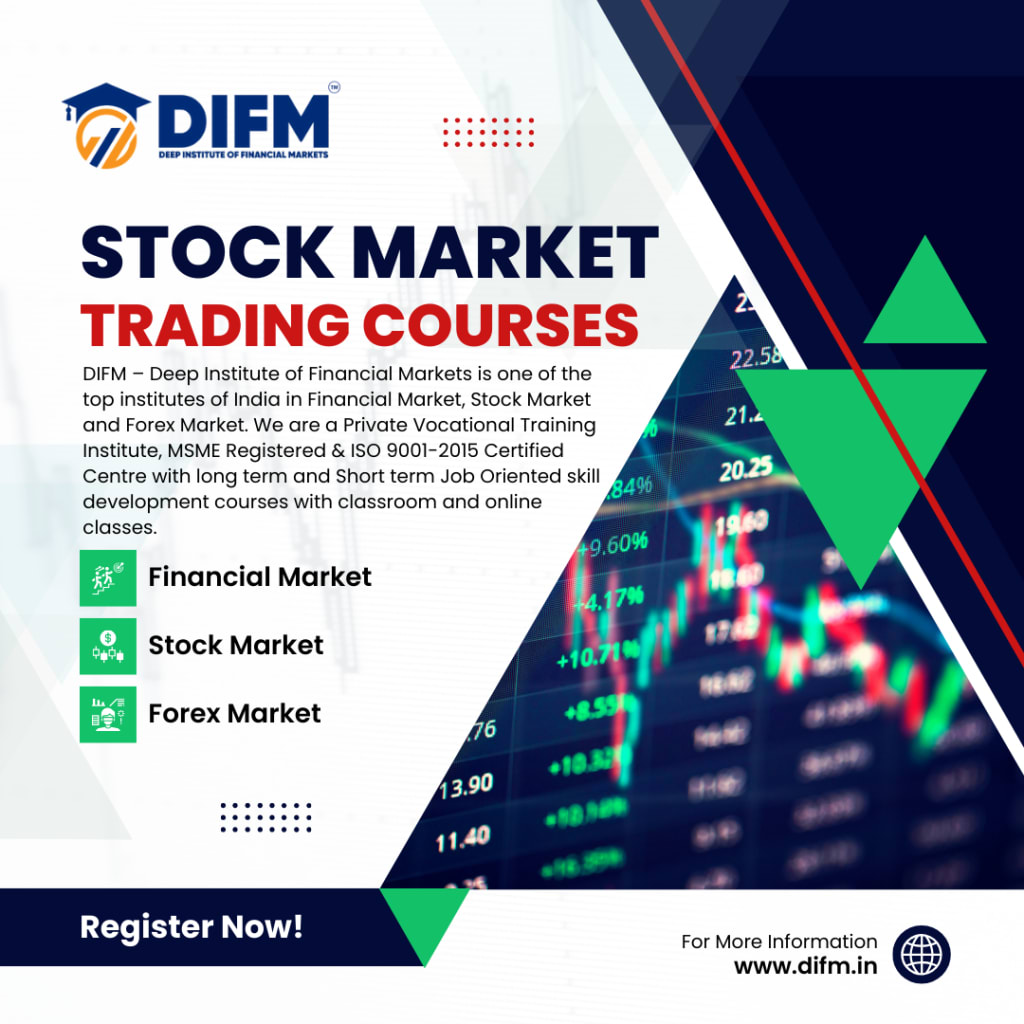
The world of stock market trading is always evolving, and 2025 is shaping up to be a pivotal year for traders. With new technologies, innovative strategies, and a surge in digital learning, stock market trading courses have taken on a whole new dimension. Whether you're a seasoned investor or just starting out, understanding how these courses are adapting to meet the needs of modern traders is crucial. In this blog post, we’ll explore the top trends in stock market trading education and how they're transforming the way we learn to trade.
1. The Rise of Artificial Intelligence in Trading Courses
The integration of artificial intelligence (AI) in stock market trading courses is one of the most exciting trends to emerge in 2025. AI is being used to help traders make data-driven decisions faster and with more accuracy. In trading courses, AI-powered platforms are now being used to simulate real-market conditions, helping students understand how to react to various market movements without the risk of losing actual capital.
AI-driven courses are designed to adapt to each learner’s pace, providing tailored content based on their strengths and weaknesses. Imagine learning how to trade through a system that provides you with personalized feedback every step of the way, offering real-time analysis and predictive insights. This is the future of trading education, and it's already here.
2. Interactive Learning with Virtual Trading Environments
Gone are the days when stock market trading courses were all theory-based. Today, many courses include virtual trading platforms that allow students to practice in real-world scenarios without any financial risk. This hands-on learning approach is incredibly beneficial because it provides a safe environment to test strategies and gain confidence before trading with real money.
These virtual environments mirror live market conditions, giving students the chance to make decisions based on actual stock movements. As a result, learners can fine-tune their strategies and understand the psychological aspects of trading, like how to handle stress or make quick decisions under pressure.
3. Cryptocurrency Trading: A Growing Focus
With the explosive growth of cryptocurrencies over the past few years, stock market trading courses have increasingly incorporated cryptocurrency trading strategies into their curriculums. In 2025, more courses are dedicated to teaching the ins and outs of cryptocurrency, from understanding blockchain technology to mastering altcoins and DeFi (decentralized finance) strategies.
The volatile nature of cryptocurrencies makes them a fascinating, yet challenging market to trade in. Traders are seeking courses that teach them not only how to trade crypto but also how to manage risks and take advantage of these rapidly changing markets. These courses often focus on technical analysis specific to crypto, as well as the psychological differences between trading traditional stocks and digital currencies.
4. Gamification in Stock Market Learning
To make learning more engaging, gamification is becoming a popular tool in stock market trading courses. By adding elements of play, such as challenges, rewards, and leaderboards, courses are transforming into interactive experiences that feel more like games than traditional classes. This is an effective way to keep learners engaged while also helping them retain important concepts.
For example, a course might involve simulated trading competitions where learners compete to build the best portfolio based on real-time stock movements. By making learning fun and competitive, gamified courses encourage students to stay committed and motivated throughout their educational journey.
5. The Integration of Social Trading Communities
In 2025, stock market trading courses are shifting towards a more community-driven approach. Students no longer have to go through the learning process alone. Many modern trading courses now include access to social trading platforms where learners can interact with professional traders and fellow students.
These platforms allow learners to share insights, discuss strategies, and even follow top traders’ moves in real-time. By becoming part of a trading community, students can accelerate their learning and avoid common mistakes. Social trading adds a layer of accountability and social interaction, which can make the often solitary experience of trading much more collaborative and rewarding.
6. Mobile-First Trading Education
With the world becoming increasingly mobile, it’s no surprise that stock market trading courses are following suit. Many courses now offer mobile-optimized content so that traders can learn on the go. Whether you're commuting, traveling, or simply lounging at home, you can access lessons, market analysis, and trading simulations right from your smartphone.
Mobile-first education is especially popular among younger traders, who prefer to learn in a more flexible and convenient manner. This shift to mobile learning also allows students to engage with interactive elements, such as live trading rooms and instant notifications, keeping them updated with the latest trends and strategies.
7. Focus on Behavioral Finance and Trading Psychology
Understanding the psychology of trading is just as important as learning technical and fundamental analysis. In 2025, stock market trading courses are placing more emphasis on behavioral finance, which explores how emotions and biases impact financial decisions.
Traders often let their emotions—fear, greed, and impatience—drive their decisions, leading to poor outcomes. By incorporating behavioral finance into their curriculums, trading courses are helping students understand and control these emotions. Techniques like mindfulness, cognitive-behavioral strategies, and stress management are now being included in courses to help traders develop a disciplined, professional mindset.
8. Advanced Data Analytics and Algorithmic Trading
Another significant trend in 2025 is the growing popularity of algorithmic trading and data analytics. With the increase in available data and computing power, more traders are looking to develop algorithms that can trade on their behalf. As a result, stock market trading courses are teaching students how to design, backtest, and deploy trading algorithms.
These courses cover topics like machine learning, statistical analysis, and predictive modeling to help students harness the power of big data. As algorithmic trading continues to reshape the landscape of financial markets, mastering these skills is becoming increasingly essential for traders who want to stay ahead of the curve.
9. The Shift to On-Demand Learning
One of the biggest changes in the world of stock market trading courses is the rise of on-demand learning. In the past, traders had to commit to scheduled courses or seminars, but now, with the rise of digital platforms, they can learn at their own pace.
On-demand courses provide greater flexibility, allowing students to access lessons whenever they want, without the pressure of rigid schedules. Additionally, these courses often come with lifetime access to materials, so learners can revisit content whenever they need a refresher. This model is ideal for busy professionals or anyone who prefers a more self-directed learning experience.
Conclusion: The Future of Stock Market Trading Education
As we look ahead to 2025, it’s clear that stock market trading courses are undergoing a transformation. From AI-powered platforms and gamification to the integration of behavioral finance and mobile-first education, these courses are becoming more accessible, engaging, and effective than ever before. Whether you're new to the stock market or a seasoned trader, these trends offer exciting opportunities to enhance your skills and stay ahead in a rapidly changing market.
Now is the perfect time to embrace these innovative changes and start your journey towards becoming a successful trader in the ever-evolving financial world.
About the Creator
DIFM - Deep Institute of Financial Market
DIFM - Deep Institute of Financial Market offers share market classes in Delhi
Address: Laxmi Nagar Metro Station Gate 2, S528, 1st Floor, School Block, Opposite Ganesh Kachori, 2nd Street, Shakarpur, Delhi, 110092
Phone: 9810116240
Enjoyed the story? Support the Creator.
Subscribe for free to receive all their stories in your feed.
Comments
There are no comments for this story
Be the first to respond and start the conversation.