
How Sharks Contribute to Medical Research and Innovation
Harnessing Shark Biology for Medical Advancements and Innovation

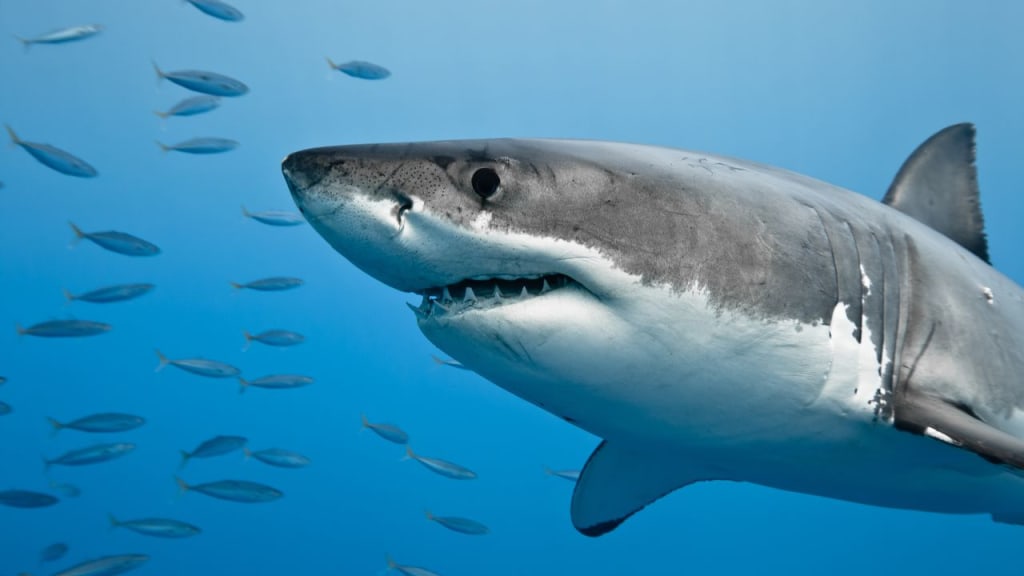
Sharks, often viewed with apprehension due to their portrayal in popular media, offer remarkable insights into medical research and innovation. Their unique biological features and adaptations have made them invaluable to various fields of science and medicine. By exploring their natural abilities, researchers are uncovering breakthroughs that hold promise for human health. Here’s an in-depth look at how sharks contribute to medical research, and how you can be involved through opportunities at the Oceans Research Institute.
1. Wound Healing
Sharks possess an extraordinary capacity for rapid and effective wound healing. Their skin, covered in tiny, tooth-like scales called denticles, has antimicrobial properties that prevent infection and facilitate swift recovery. This natural defense mechanism is a focal point for researchers developing new treatments for wound care. By studying shark skin, scientists aim to create advanced bandages and wound dressings that can speed up healing processes in humans, reduce infection rates, and improve surgical outcomes.
2. Immune System Insights
The immune system of sharks is another area of intense research interest. Sharks have evolved a highly efficient immune response that allows them to resist infections and diseases. Their immune system operates with remarkable precision, making it a valuable model for studying immune function. Researchers are investigating shark antibodies, which are smaller and more versatile than human antibodies. These antibodies are used to develop new diagnostic tools and treatments, including novel vaccines and immunotherapies. The insights gained from shark immune systems could lead to significant advancements in managing autoimmune diseases and enhancing overall immune health.
3. Cancer Research
One of the most fascinating aspects of shark biology is their apparent resistance to cancer. Unlike many other species, sharks seem to be less prone to developing tumors. This resistance is believed to stem from their unique genetic makeup and cellular mechanisms. By studying these features, scientists are working to uncover the underlying reasons for this resistance. The knowledge gained could pave the way for new cancer prevention strategies and treatments. Researchers are exploring how shark genes and proteins can be harnessed to develop therapies that target cancer cells more effectively, potentially revolutionizing cancer treatment.
4. Antibiotic Discovery
Sharks produce compounds in their liver oil that exhibit strong antibacterial properties. These natural antibiotics are of particular interest in the search for new antimicrobial agents. With the rise of antibiotic-resistant bacteria, discovering new sources of antibiotics is crucial. Shark-derived compounds are being investigated for their potential to combat resistant strains and treat infections that are otherwise difficult to manage. This research could lead to the development of new antibiotics, providing more effective tools for fighting bacterial infections.
5. Biomechanics and Prosthetics
The structural properties of shark cartilage offer valuable insights into the design of prosthetics and implants. Shark cartilage is known for its flexibility and durability, which makes it an ideal model for studying mechanical properties. Engineers and scientists are using this information to develop advanced materials that can be used in medical devices, such as prosthetic limbs and joint replacements. By mimicking the biomechanics of shark cartilage, researchers aim to create prosthetics that are more functional, comfortable, and long-lasting, improving the quality of life for individuals with limb loss or joint issues.
6. Cardiovascular Research
Sharks have unique adaptations in their cardiovascular systems that allow them to thrive in diverse and extreme environments. Their ability to regulate blood flow and oxygen levels in varying conditions provides valuable insights into cardiovascular health. Scientists are studying these adaptations to develop better treatments for cardiovascular diseases, including hypertension and heart failure. Additionally, the study of shark circulatory systems is contributing to the improvement of artificial organs and heart replacement technologies, offering hope for patients with severe heart conditions.
7. Drug Development
Shark tissues, particularly those from their liver and skin, contain compounds that are being explored for their potential therapeutic applications. These compounds are being tested for their ability to treat a range of health conditions, including inflammatory diseases and neurodegenerative disorders. The unique chemical properties of shark-derived substances make them promising candidates for drug development. Researchers are investigating how these compounds interact with biological systems to develop new medications and therapies that could address previously untreatable conditions.
8. Understanding Aging
Some shark species exhibit remarkable longevity and slow aging processes. For instance, the Greenland shark can live for centuries, making it one of the longest-lived vertebrates. Studying these long-lived species provides valuable insights into the biological mechanisms of aging. Researchers are examining how these sharks maintain their health and vitality over such extended lifespans. The knowledge gained from these studies could lead to new anti-aging therapies and a better understanding of age-related diseases, potentially extending human healthspan and improving quality of life in older age.
Getting Involved: Marine Research Volunteer Opportunities
The Oceans Research Institute is at the forefront of marine research, including studies on sharks and their contributions to medical science. They offer internship programs that provide hands-on experience in marine research. As a marine research volunteer or intern at the Oceans Research Institute, you can actively contribute to cutting-edge projects, gain valuable field experience, and work alongside leading experts in marine science.
Volunteering with the Oceans Research Institute not only allows you to support important research but also provides an opportunity to learn about the latest advancements in marine biology and conservation. Whether you are interested in shark research, conservation efforts, or general marine science, participating in these programs can be a rewarding way to make a tangible impact on ocean health and innovation.
In summary, sharks play a crucial role in advancing medical research and innovation. Their unique biological traits offer valuable insights that are driving progress in wound healing, immune system studies, cancer research, antibiotic discovery, and more. By participating in programs like those offered by the Oceans Research Institute, you can contribute to this vital research and help uncover new solutions for health and conservation challenges.
About the Creator
Oceans Research Institute
Oceans Research is an organization that conducts and facilitates marine research and conservation in Southern Africa. We offer a diversity of volunteering, internship, and training programs to marine researchers from all around the globe.
Enjoyed the story? Support the Creator.
Subscribe for free to receive all their stories in your feed.
Comments
There are no comments for this story
Be the first to respond and start the conversation.