
How SAN Enhances Data Sharing Across Multiple Servers
The storage area network is the ideal technology for you if you are dealing with large amounts of data. It helps you to share the data across multiple servers, which makes it easily accessible and productive.

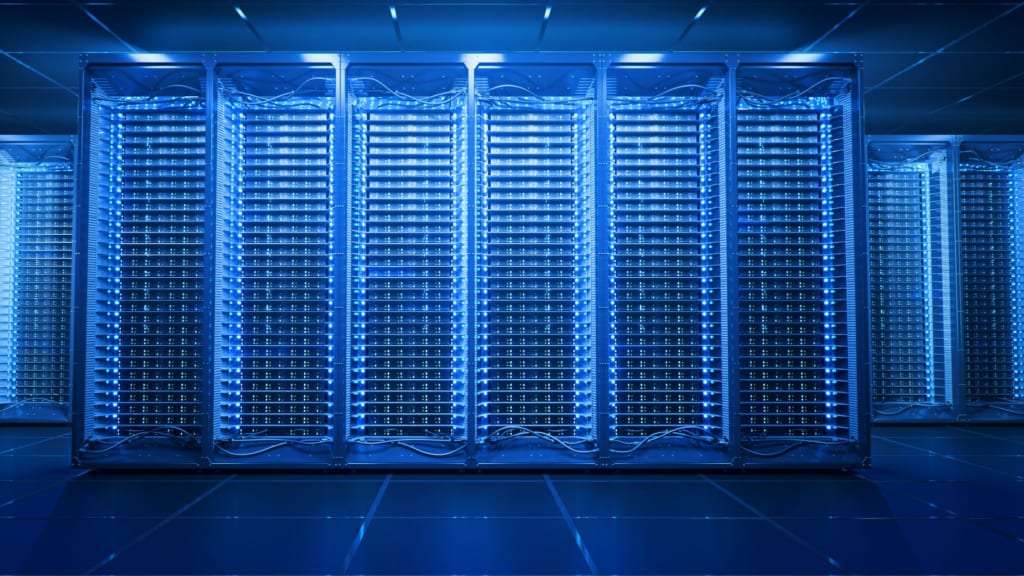
Storage networks are designed to improve data management by allowing multiple servers to access shared shared resources. The technology helps to manage the data and have easy access, allowing you and your team to manage the data transmission. Also, this can help you to send the data directly to your client without delays and system clashing.
In addition, storage networks empower you to foster collaboration and innovation. This helps you to minimize delays and heps in crucial decision-making processes. This can help you save the overall time and helps enhance the productivity of the organization.
Here’s how SAN enhances data sharing across multiple servers.
Centralized Data Storage
One of the main reasons why SAN enhances data sharing across multiple servers is the centralized data storage option. This means all your data is saved in one safe location that can be accessed easily from any system and any strong network connection.
Further, the technology includes some innovations such as Fibre Channel and iSCSI, which facilitate you with seamless access and management. By consolidating your storage, you reduce management overhead and eliminate the hassle of ensuring each server has the latest data.
High-Performance Data Transfer
Another factor is high-performance data transfer. This is the crucial feature of the SAN, which removes and reduces the latency and slowdowns. When you use other technologies, you might face some issues, such as hinder productivity, affecting everything from database queries to video editing.
However, with SAN, you enable easy data transfer and retrieval. Also, with this, you can perform well, and your application runs smoothly with no latency or lag. As a result, by utilizing SAN’s high-performance capabilities, you reduce latency and enhance overall system responsiveness. This transforms how your organization handles data-intensive tasks.
Adaptive Scalability Solutions
SAN has the scalability feature, which helps your organization grow. If you are struggling with storage limitations as your data needs increase. This is due to traditional systems, which often require significant effort and time to expand, causing delays in your operations.
This scalability solution feature of SAN also includes the technology like SAS (Serial Attached SCSI). This allows you to easily add storage as needed. This flexibility means you can quickly adjust your resources based on changing requirements without major disruptions.
Non-Disruptive Expansion: With features like hot-swapping, you can replace or add drives without downtime, ensuring continuous access to data while scaling.
Storage Tiering: SANs allow for tiered storage solutions, where you can mix high-speed SSDs with traditional HDDs to optimize performance and cost.
Automated Management Tools: Solutions like Dell EMC's Unisphere or NetApp's OnCommand provide automated tools for monitoring and managing storage capacity, making scalability easier.
Clustered Storage Solutions: SANS can integrate with clustered storage systems, providing additional scalability options by linking multiple storage arrays together.
Cost-Effective Investments
The most prominent feature is cost-effective investments. This means you need to invest less in SAN, and you can get much profit from this. SANs reduce these expenses by streamlining operations, enhancing efficiency, and improving reliability.
The technology that makes the SAN cost-effective is deduplication. This can also help you maximize storage capacity, further reducing costs. Ultimately, investing in SAN technology offers long-term financial benefits that outweigh the initial setup costs. As a result, you no longer need to allocate extensive time and resources to monitor and maintain multiple systems. This efficiency frees up your IT staff to focus on strategic initiatives rather than routine maintenance tasks.
Integrated Disaster Recovery
When you work with lost data, you may get it lost sometime. But with disaster recovery, you can get it all back. SANs integrate seamlessly with disaster recovery solutions, allowing for rapid data recovery and operational restoration. Technologies such as replication and snapshotting enable you to create reliable backups of your data.
Also, in case of a failure, you can quickly restore operations, minimizing downtime. With a SAN, you can confidently safeguard your business against data loss, ensuring that your critical operations continue without significant interruption.
Professional Management Services
Managing a Storage Area Network (SAN) effectively can be quite complex, and you may have encountered difficulties in allocating enough internal resources for this task. Also, as your organization grows, your data also grows; this means you will need professional management services.
But with the help of SAN, you get the professional management services. These external providers bring a wealth of expertise in optimizing SAN performance and ensuring robust data security. This expertise helps ensure that your SAN operates at peak efficiency, which is crucial for meeting your organization’s evolving data needs.
Data Security Compliance: Providers ensure compliance with industry standards and regulations by implementing robust security measures, including access controls, encryption, and regular audits.
Disaster Recovery Planning: Professional management includes developing and testing disaster recovery plans to ensure quick recovery and minimal downtime in the event of a data loss incident.
Seamless Integration: Managed services can easily integrate with existing IT infrastructure and processes, allowing for a smooth transition without disrupting business operations.
Conclusion,
The storage area network is the ideal technology for you if you are dealing with large amounts of data. It helps you to share the data across multiple servers, which makes it easily accessible and productive.
Further, the SAN offers high-speed data transfer rates, which allows you to deal with your client easily. This also helps you send the data to your team members efficiently, enabling you to have enhanced performance and productivity.
Read More: 7 Best Practices for Managing Storage Area Networks
About the Creator
Alisa Aine
I'm Alisa Aine, an experienced tech editor specializing in breaking down complex technological topics into engaging, accessible content. With a strong background in computer science and over 7 years in the tech industry.
Enjoyed the story? Support the Creator.
Subscribe for free to receive all their stories in your feed.
Comments
There are no comments for this story
Be the first to respond and start the conversation.