
How Online Schools Promote Personalized Learning
Individualized Learning Plans in Online Education

Introduction
Individualized Learning Plans in Online Education
Personalized learning in online education is fundamentally anchored by the implementation of individualized learning plans (ILPs). ILPs are dynamic academic roadmaps tailored to meet the unique needs and aspirations of each student. Through customized curriculum options, adaptive learning technologies, and a strong emphasis on student-centered goals and pacing, online schools can significantly drive the personalization of education.
Customized Curriculum Options
One of the most striking features of online education is the ability to customize the curriculum according to individual learner needs. Unlike traditional classrooms, where the curriculum is often rigid and standardized, online schools offer a plethora of customized curriculum options that align with each student's learning preferences and career aspirations. According to a report by the International Association for K-12 Online Learning (iNACOL), personalized, competency-based learning paradigms enable students to advance based on demonstrated mastery rather than seat time, allowing for a truly customized educational experience.
This customization ensures that students can delve deeper into subjects of interest and breeze through areas where they already exhibit proficiency. For example, a student with a strong interest in STEM (Science, Technology, Engineering, Mathematics) can choose courses that are specifically designed to develop advanced skills in these areas, paving the way for specialized higher education opportunities or careers in tech-driven industries. Conversely, students needing more support in certain subjects can access additional resources and tailored coursework to address their gaps without feeling rushed or left behind.
Adaptive Learning Technologies
Adaptive learning technologies play a pivotal role in creating individualized learning plans. These technologies utilize algorithms and data analytics to personalize the educational content delivered to each student. Tools such as DreamBox Learning and Knewton use continuous assessment data to adapt lessons according to a student's evolving needs. By analyzing performance metrics in real time, these platforms can recommend specific learning activities that align with the student's current level of understanding, thereby promoting an optimal learning path.
For instance, if a student struggles with the concept of quadratic equations, the adaptive technology can provide supplementary materials, interactive exercises, and instant feedback to help the student overcome these challenges. As the student progresses, the difficulty level is adjusted to align with their improved proficiency, ensuring a tailored educational journey that evolves with the learner's progress.
Student-Centered Goals and Pacing
A hallmark of personalized learning in online education is the emphasis on student-centered goals and pacing. Unlike traditional education systems that adhere strictly to a one-size-fits-all approach, online schools offer the flexibility to set individual goals and manage the pace of learning. This student-centric approach encourages learners to take ownership of their educational objectives, fostering greater engagement and motivation.
Students can set their academic targets, such as mastering a certain number of skills or achieving specific grade benchmarks within a given time frame. They can also control the speed at which they progress through the curriculum. This flexibility is particularly beneficial for students with varied learning paces – while some may excel and wish to accelerate their studies, others may require additional time to grasp complex topics thoroughly. According to a study by the Bill & Melinda Gates Foundation, personalized learning environments where students have control over their learning outcomes result in higher academic achievement and increased student satisfaction.
Flexibility and Accessibility Enhancements
The merits of personalized learning in online schools are not confined to individualized learning plans alone; flexibility and accessibility are also central components. Through diverse scheduling options, the ability to learn from various locations, and catering to different learning styles, online education ensures that students can access personalized learning experiences tailored to their unique circumstances.
Diverse Scheduling Options
One of the key advantages of online education is the flexibility it offers in terms of scheduling. Traditional schools typically follow a fixed timetable, leaving little room for students to navigate personal commitments or varying productivity levels. Online schools, on the other hand, offer diverse scheduling options that allow students to craft their study schedules around their individual needs and lifestyles.
For instance, students who are also athletes or performers can arrange their study times to fit with their training and rehearsal schedules, thus ensuring they do not have to compromise on either their education or their passions. Similarly, working students or those managing familial responsibilities can find times that best suit their routines to engage in their academic pursuits, ensuring that education remains accessible and manageable for everyone.
Learning from Various Locations
Another significant benefit of online education is the ability to learn from virtually any location. This mobility is particularly beneficial for students who live in remote areas, travel frequently, or have health conditions that make attending traditional schools challenging. Online platforms eliminate geographical barriers, providing students with access to quality education regardless of their physical location.
For example, students in rural or underserved areas can take advantage of online schooling to receive the same level of education as their peers in more urban settings. This level of accessibility is crucial for leveling the educational playing field and ensuring that all students have the opportunity to achieve academic success. Moreover, for students who might experience frequent relocations due to family or personal circumstances, online schools provide continuity and stability in their education, mitigating disruptions that traditional schooling might impose.
Catering to Different Learning Styles
Online education also excels in its ability to cater to different learning styles, which is essential for personalized learning. Students have diverse ways of processing information – some are visual learners, others are auditory learners, and still others might prefer a kinesthetic, hands-on approach. Online schools leverage multimedia resources, including videos, podcasts, interactive simulations, and gamified learning modules, to accommodate these varying preferences.
For instance, platforms like Khan Academy and Coursera offer a range of instructional methods, from video lectures to interactive problem-solving exercises, ensuring that students can choose the format that resonates most with them. This versatility in instructional delivery helps in maintaining student engagement and efficacy in learning, as students are more likely to retain information presented in a form that aligns with their natural learning preferences.
Enhanced Teacher-Student Interaction
Contrary to the common misconception that online education is impersonal, it facilitates enhanced teacher-student interaction through personalized feedback mechanisms, one-on-one virtual sessions, and continuous progress monitoring. These components work synergistically to support individualized learning and foster strong educational relationships.
Personalized Feedback Mechanisms
In online education, personalized feedback mechanisms are integral to student success. Through digital platforms, teachers can provide detailed, individualized feedback on assignments, projects, and assessments. This feedback is often more comprehensive and nuanced compared to traditional classroom settings, where time constraints may limit personalized attention.
For example, online grading tools like Turnitin or Google Classroom allow educators to leave specific comments and suggestions directly on digital submissions. This tailored feedback helps students understand their strengths and areas for improvement, thereby supporting their academic growth. Moreover, the immediacy of digital feedback ensures that students can quickly address any misconceptions or challenges, promoting a more efficient learning process.
One-on-One Virtual Sessions
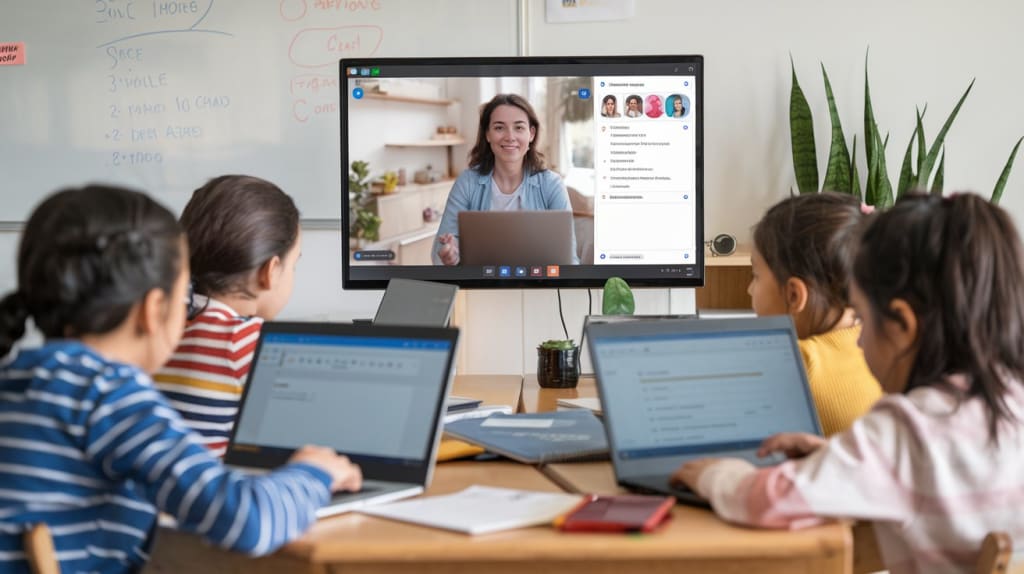
One-on-one virtual sessions are another powerful tool for enhancing teacher-student interaction. Platforms like Zoom, Microsoft Teams, or Google Meet facilitate real-time, individualized tutoring sessions, allowing teachers to address specific concerns or questions that students might have. These sessions offer a level of personalized attention that is often difficult to achieve in traditional classroom environments.
During these virtual meetings, teachers can provide targeted instruction, clarify complex concepts, and offer personalized guidance tailored to the student's learning needs. This direct interaction is particularly beneficial for students who may feel hesitant to ask questions in a larger group setting, as it provides a safe and supportive space for them to seek help. Additionally, one-on-one sessions enable educators to develop a deeper understanding of each student's learning style and progress, allowing for more effective, individualized instruction.
Continuous Progress Monitoring
Continuous progress monitoring is a vital aspect of personalized learning in online education. Through sophisticated learning management systems (LMS) like Canvas or Blackboard, teachers can track students' performance metrics in real time. These platforms provide detailed insights into each student's progress, highlighting areas of mastery and identifying those requiring additional support.
For example, LMS analytics can reveal patterns in student performance, such as consistent challenges with particular subjects or topics. Armed with this data, educators can proactively intervene with tailored resources or support strategies to address these issues. Furthermore, continuous monitoring allows for the timely adjustment of individualized learning plans, ensuring that they remain aligned with the student's evolving needs and goals.
Utilization of Advanced Learning Tools
The utilization of advanced learning tools in online education significantly enhances personalized learning experiences. Through interactive educational software, data-driven teaching strategies, and real-time performance analysis, online schools are equipped to deliver highly customized and effective learning pathways for each student.
Interactive Educational Software
Interactive educational software is a cornerstone of personalized learning in online education. Tools such as Mathletics, Duolingo, and BrainPOP provide engaging, interactive content that adapts to the individual learner's pace and preferences. These platforms are designed with gamification elements, such as rewards and leaderboards, which motivate students to engage actively with their studies.
For instance, Mathletics offers adaptive math problems that adjust in difficulty based on the student's performance, ensuring that they are consistently challenged but not overwhelmed. This approach helps maintain a balance between learning and motivation, fostering a more enjoyable and effective educational experience. Similarly, Duolingo's language learning modules adapt to the user's proficiency level, providing personalized exercises and feedback to facilitate language acquisition at an individualized pace.
Data-Driven Teaching Strategies
Data-driven teaching strategies leverage the wealth of information generated by online learning platforms to inform instructional decisions. Educators can analyze data on student performance, engagement, and learning behaviors to identify trends and tailor their teaching approaches accordingly. This data-centric approach enables a higher degree of personalization, as instructional strategies can be fine-tuned to address the specific needs of each student.
For example, an analysis of quiz performance data might reveal that a student consistently struggles with certain types of questions, indicating a gap in understanding. Teachers can then implement targeted interventions, such as additional instructional resources or focused remediation sessions, to address these gaps. This precise tailoring of instructional strategies helps ensure that each student receives the support they need to succeed academically.
Real-Time Performance Analysis
Real-time performance analysis is another critical component of advanced learning tools in online education. Through continuous assessment and instant feedback mechanisms, students can gain immediate insights into their performance, enabling them to correct errors and consolidate understanding promptly. This real-time analysis is facilitated by various online tools and platforms that integrate assessment with instructional content.
For instance, platforms like Edmodo and Nearpod offer interactive quizzes and assessments that provide instant feedback to students. This immediate response helps reinforce learning by allowing students to understand and rectify mistakes in real time. Additionally, real-time performance analysis supports differentiated instruction, as teachers can quickly identify students who may need additional support and adjust their teaching methods accordingly.
Conclusion

In conclusion, online schools are at the forefront of promoting personalized learning through a multifaceted approach that includes individualized learning plans, enhanced flexibility and accessibility, robust teacher-student interaction, and the utilization of advanced learning tools. Customized curriculum options, adaptive learning technologies, and student-centered goals empower learners to achieve their academic potential in a manner that aligns with their unique needs and aspirations. The flexibility and accessibility offered by online education ensure that learning is tailored to fit diverse schedules and locations, catering to various learning styles and preferences.
Enhanced teacher-student interactions facilitated by personalized feedback, one-on-one virtual sessions, and continuous progress monitoring create a supportive and responsive educational environment. Moreover, the use of interactive educational software, data-driven teaching strategies, and real-time performance analysis enables a high degree of customization, ensuring that each student's learning journey is tailored to their individual needs.
As technology continues to evolve, the potential for further personalization in online education will only increase, making it an increasingly viable and effective option for learners worldwide. By embracing these innovative approaches, online schools are not only transforming the educational landscape but also paving the way for a more inclusive, flexible, and student-centric future in education.
About the Creator
Enjoyed the story? Support the Creator.
Subscribe for free to receive all their stories in your feed.
Comments
There are no comments for this story
Be the first to respond and start the conversation.