
How much sleep is required normally?
Do we really need 8 hours of sleep every night?

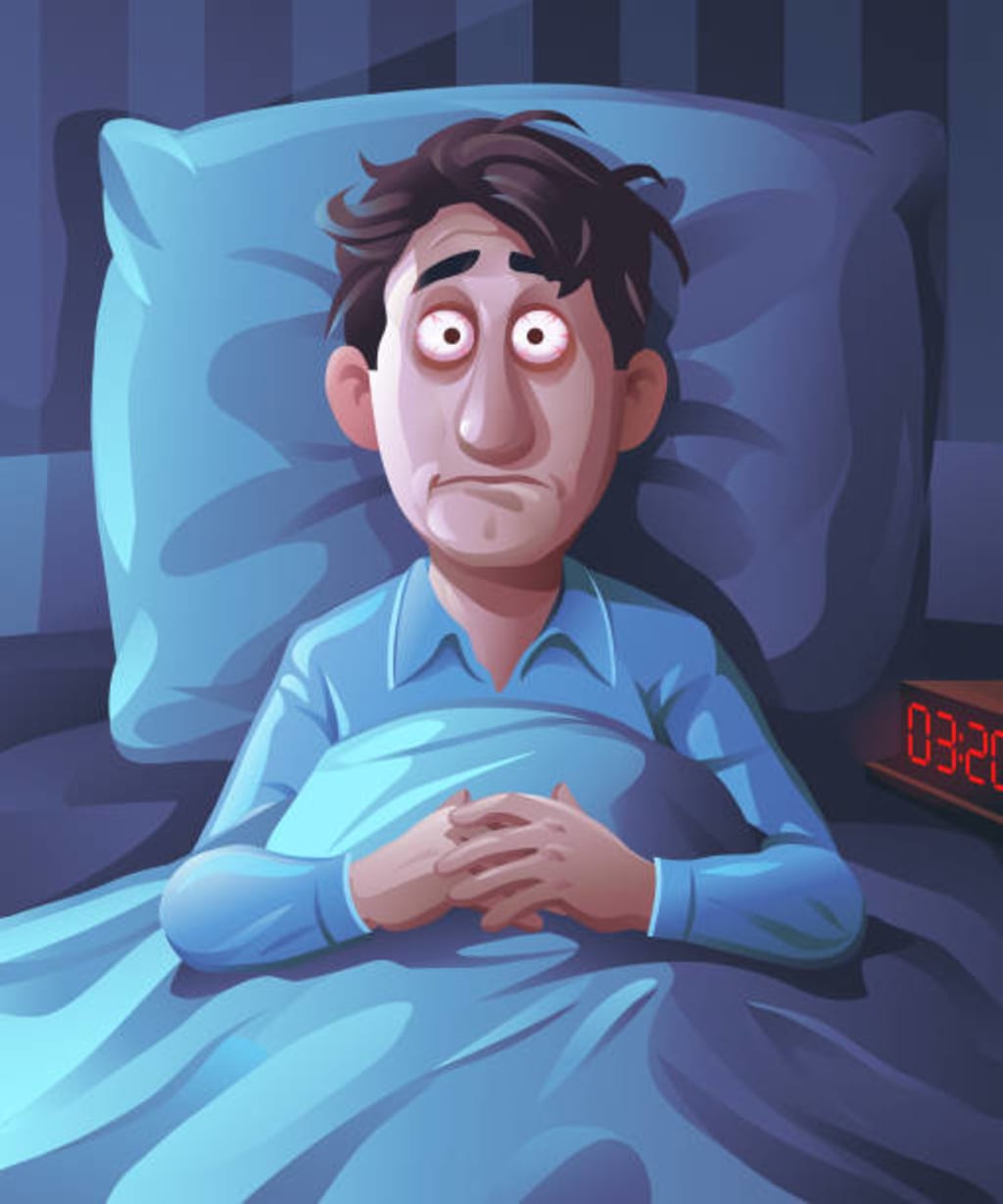
Sleep is crucial. To survive, we must have it.
And we are in dire need of assistance when we are unable to sleep.
[Gunter, Dr. Jen, Body Stuff]
However, our obsession with sleep seems to have taken on a sense of urgency in recent years. If you search for "sleep" on the internet, you'll discover a ton of articles about how to get the best possible sleep. Modern devices, high-end alarm clocks, and avoid blue light. Numerous services, goods, and advice columns warn us that our sleep patterns are incorrect. Insufficient sleep, poor sleep quality, and incorrect posture. Even worse, you may come across alarming messages saying that you will die sooner and develop a variety of illnesses if you don't get enough sleep.
The main concerns we have regarding our sleep are that we don't get enough and that anything less than seven hours each night is unacceptable, which implies that we will always have poor health, from high blood pressure to Alzheimer's. However, this type of communication has two problems.
The first problem is that it's not entirely correct. Although people should aim for seven to eight hours of sleep, this is only an average. Additionally, whereas public health communication requires the simplification of messages, important details can occasionally be overlooked. Therefore, it is accurate to say that chronic sleep deprivation is linked to conditions including depression, diabetes, and cardiovascular disease.
However, focusing just on seven to eight hours of sleep ignores the fact that people require different amounts of sleep. Depending on the individual, the length of a restful night's sleep may vary. While some individuals are content with six, others want eight. The second problem with this type of apocalyptic message is that it may work against you, particularly if you actually have sleep issues.
For example, it was anticipated that 21% of American people wore sleep tracking devices in 2019. That figure is most likely rising, and I understand. Finding out how much sleep you get each night and how much of it is spent dreaming or in deep sleep is intriguing.
However, some people are becoming so fixated on all of that sleep data that it's resulting in a disorder known as orthosomnia: a persistent obsession with getting the ideal amount of sleep. Ironically, this illness is making it harder to sleep. Orthosomnia may be a severe case, but for others of us, the worry of not getting enough sleep keeps us up at night.
Here are the opinions of several specialists.
Give up obsessing on the number, since this might result in inflated expectations for sleep. Dr. Colleen Carney, a psychologist and the director of the Ryerson University Sleep Lab, says the following are the fundamental questions you ought to ask yourself:
Do I feel like I got enough sleep during the day?
Is my sleep usually uninterrupted during the night?
Or do I quickly go back to sleep if I wake up?
Is it possible to avoid unintentionally falling asleep during the day?
You most likely don't need to worry about your sleep if all three of your responses are yes. Additionally, if you're having trouble sleeping, consider speaking with your doctor to make sure there aren't any medical concerns that need to be looked at before purchasing pricey blue light filters or sophisticated sleep monitors. Next, try the American Academy of Sleep Medicine's evidence-based suggestions. The most amazing thing is that there is a very successful treatment for insomnia known as cognitive behavioral therapy, or CBT-I.
There are no drugs used in this process. Additionally, its failure rate is quite low.
About the Creator
Enjoyed the story? Support the Creator.
Subscribe for free to receive all their stories in your feed.
Comments
There are no comments for this story
Be the first to respond and start the conversation.