
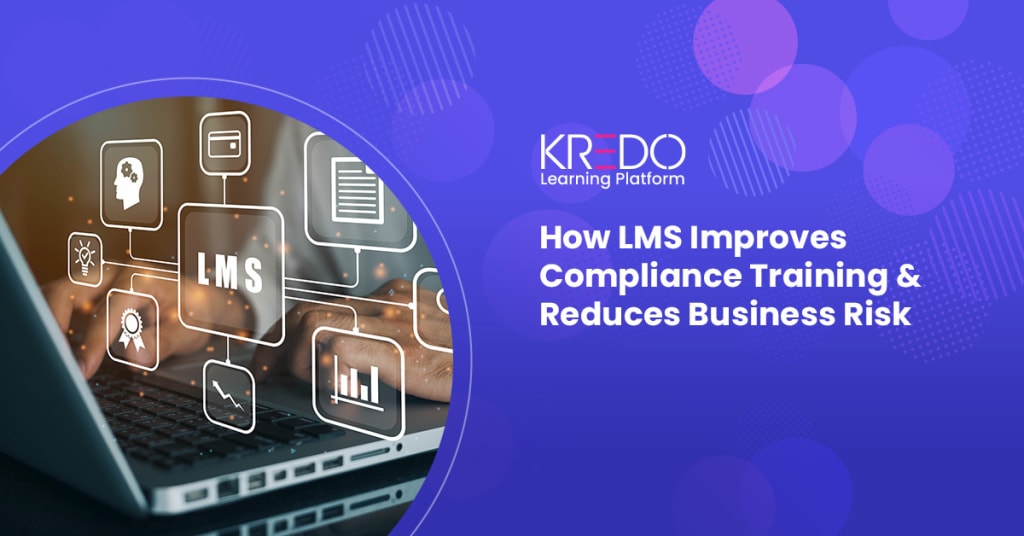
How LMS Improves Compliance Training & Reduces Business Risk
Enhancing Workforce Compliance & Mitigating Risks with Smart Learning Solutions
Why Businesses Need LMS for Compliance Training
Compliance training is a critical component for businesses operating in regulated industries. Organizations must ensure that employees understand legal, ethical, and operational requirements to avoid violations. A Learning Management System (LMS) for compliance training streamlines the entire process by automating course delivery, tracking learner progress, and maintaining records for audits.
How an LMS for Regulatory Compliance Ensures Adherence to Industry Standards
A well-designed LMS for regulatory compliance ensures that businesses stay up to date with evolving industry regulations. It centralizes training content, making it easy to update policies, standards, and procedures as compliance requirements change. With automated notifications and reminders, employees complete required training on time, reducing the risk of non-compliance.
The Importance of Compliance Training Software in Mitigating Legal Risks
Non-compliance can result in hefty fines, legal penalties, and reputational damage. Compliance training software helps mitigate these risks by offering:
- Consistent training delivery to all employees, ensuring they understand regulations.
- Automated tracking and reporting, simplifying audits and legal documentation.
- Assessments and certifications to verify employee competency.
- Real-time monitoring, allowing organizations to identify gaps in compliance training before they become issues.
- Reducing Business Risk with an LMS
How an LMS Helps in LMS Risk Management
An LMS risk management approach ensures that training programs align with industry standards and company policies. By leveraging an LMS, organizations can:
- Identify and address training gaps before they lead to compliance violations.
- Standardize training across different locations and departments.
- Ensure continuous learning through recurring training programs and updates.
- Reducing Risk with LMS Through Automation, Tracking, and Reporting
One of the biggest advantages of reducing risk with LMS is the automation of compliance training processes. Key functionalities that help mitigate risks include:
- Automated course enrollment and completion tracking to ensure all employees receive required training.
- Detailed reporting and audit trails for regulatory inspections.
- Adaptive learning paths to cater to different roles and compliance requirements.
- Instant notifications and certification management, reducing the likelihood of expired credentials.
Case Studies: Companies Using LMS for Compliance
Case Study 1: A Financial Institution Ensuring Regulatory Adherence
A leading financial services company implemented an LMS for compliance training to train employees on anti-money laundering (AML) and data security regulations. With automated tracking and real-time reporting, the company reduced compliance gaps by 40% and successfully passed regulatory audits.
Case Study 2: A Healthcare Organization Improving Compliance Efficiency
A healthcare provider integrated compliance training software to ensure HIPAA compliance. The LMS provided mandatory training courses with automated reminders, reducing non-compliance incidents by 35%.
Key Features to Look for in an LMS for Compliance
Support for SCORM-Compliant Courses
SCORM-compliant courses ensure compatibility across different eLearning platforms, enabling organizations to integrate third-party training content seamlessly. A compliance-ready LMS should support SCORM to facilitate interactive and trackable learning experiences.
Integration with Authoring Tools for Easy Course Creation
An LMS should integrate with authoring tools like Articulate, Adobe Captivate, or iSpring. This allows businesses to develop custom eLearning solutions tailored to their compliance training needs, ensuring engaging and industry-specific content.
Gamification in eLearning to Enhance Learner Engagement
Gamification in eLearning—such as quizzes, leaderboards, and reward systems—motivates employees to complete compliance training. By making learning more interactive, gamification improves retention and application of compliance knowledge.
Customization Options for Custom eLearning Solutions
Each industry has unique compliance needs. A robust LMS should offer customization options to create custom eLearning solutions that align with company policies, branding, and specific regulatory requirements.
How to Choose the Right LMS for Compliance Training
When selecting an LMS for compliance training, consider the following:
Ease of use: Ensure the platform is user-friendly and accessible.
Comprehensive reporting: Look for detailed analytics and audit-ready reports.
Mobile accessibility: Employees should be able to complete training on any device.
Integration capabilities: The LMS should integrate with HR software, authoring tools, and existing systems.
Ensuring Ongoing Compliance with Regular LMS Updates
Regulations are constantly evolving. Businesses must ensure their LMS receives regular updates to reflect new compliance requirements, industry standards, and best practices. Automated content updates and version tracking are essential features.
Future Trends in Compliance Training and LMS Technology
The future of compliance training software is driven by advanced technologies such as:
AI-powered learning: Adaptive learning paths personalize compliance training.
Microlearning modules: Bite-sized content improves retention.
Blockchain for compliance tracking: Secure, tamper-proof training records for audits.
VR and AR simulations: Immersive compliance training for high-risk environments.
Conclusion
Investing in a LMS for compliance training is a strategic decision that helps organizations reduce business risk, ensure regulatory adherence, and improve employee compliance. By leveraging compliance training software, businesses can automate processes, enhance engagement, and maintain a culture of compliance effortlessly. Selecting the right LMS with SCORM support, authoring tools, gamification, and custom eLearning solutions will ensure a future-proof compliance training strategy.
By implementing a robust LMS, businesses can stay ahead of compliance challenges and create a safer, more compliant workplace.
About the Creator
KREDO Learning
KREDO is the new generation Learning Platform that provides learning courses that best suits the learners’ needs right for the moment, taking into account the business criticality.
Enjoyed the story? Support the Creator.
Subscribe for free to receive all their stories in your feed.
Comments
There are no comments for this story
Be the first to respond and start the conversation.