
How Learning German Can Open Doors in the Global Job Market
Learning German Can Open Doors
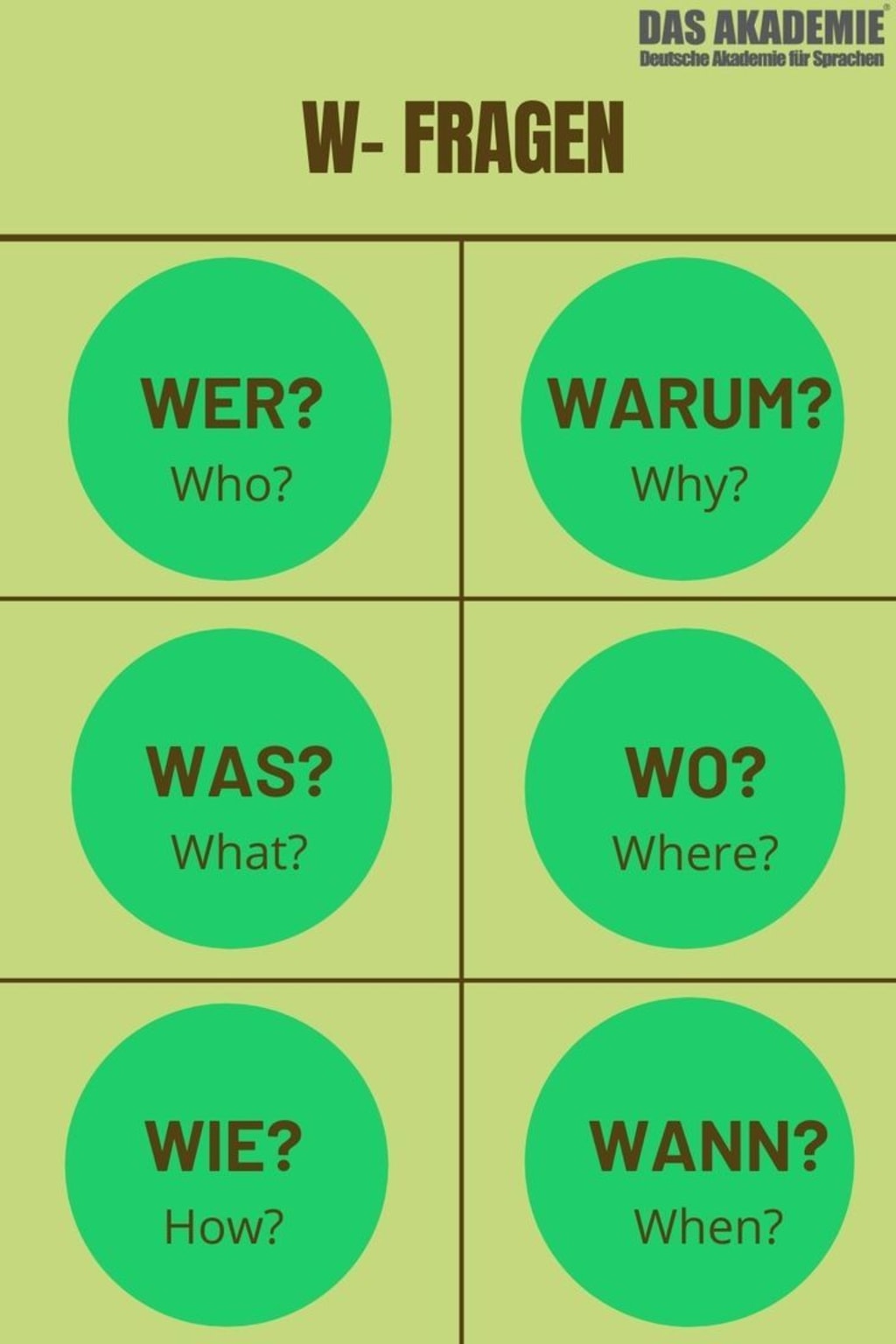
In today’s interconnected world, German language skills are more valuable than ever, especially for those aiming to work in international markets. German, often considered the “language of innovation,” has become one of the most sought-after languages by employers worldwide. From engineering and healthcare to tourism and IT, knowing German can make you a standout candidate and unlock a wealth of career opportunities. Here’s a closer look at how learning German can open doors in the global job market.
1. Germany’s Economic Powerhouse and Career Opportunities
Germany is Europe’s largest economy and one of the most influential players on the global stage, renowned for its innovation and industry leadership. Home to leading brands like BMW, Siemens, Volkswagen, and BASF, Germany’s economy thrives in fields such as automotive, engineering, technology, and pharmaceuticals. German-speaking countries also play key roles in the finance, chemical, and renewable energy sectors.
For professionals with German language skills, career opportunities are abundant. Knowing German allows you to access roles in Germany, Austria, and Switzerland as well as in international companies that have close ties to German markets. With Germany’s economy being a cornerstone of the European Union, the language skills you gain can significantly increase your value in sectors where German companies are leaders.
2. Gain a Competitive Edge in the Job Market
German language skills can set you apart in the increasingly competitive global job market. Many businesses value candidates who can speak German, as it enhances communication with German-speaking clients, colleagues, and partners. German is one of the top languages required by international employers, especially in engineering, healthcare, and logistics. In fields where technical knowledge and precision are paramount, having the ability to communicate in German can make you a more attractive candidate.
Additionally, German is the second most commonly used scientific language, making it a huge asset for professionals in academia and research. Universities, labs, and research facilities around the world actively seek employees who can read German, which allows them to access a wealth of academic and technical resources.
3. Expand Your Network in the DACH Region
German is the official language of Germany, Austria, and Switzerland — known collectively as the DACH region. This region is a major hub for international trade, tourism, and business, creating countless opportunities for professionals who speak the language. By learning German, you’re not just gaining a skill but becoming part of a linguistic network that spans these economically robust countries.
For example, Switzerland is home to numerous multinational companies in finance and pharmaceuticals, while Austria has a strong tourism industry and connections to Central and Eastern European markets. Being fluent in German can give you direct access to job markets across all three countries, where your language skills may set you apart from other candidates and help you connect with influential professionals and potential mentors.
4. Opportunities in German-speaking companies Around the World
Many German-speaking companies have international branches or partner companies around the globe. Firms like Lufthansa, Deutsche Bank, Siemens, and Bosch operate on every continent, offering a range of career opportunities for those who know German. This means that even if you don’t live in a German-speaking country, knowing the language can help you work with a German company’s overseas branch or in a multinational company with German-speaking clients.
Additionally, companies with German roots value employees who can understand and represent their culture, which often includes values like precision, quality, and attention to detail. Being fluent in German can also demonstrate cultural sensitivity and flexibility, qualities that are especially valued by international employers.
5. German as a Pathway to Learning Other Languages
German shares linguistic roots with several other European languages, such as Dutch, Swedish, and Norwegian. Learning German can make it easier to pick up these languages, potentially broadening your job opportunities across more European countries. Once you know German, you might find it easier to learn another language — a great advantage if you’re interested in multinational careers that require versatility.
Conclusion
Learning German is an investment that can broaden your career prospects in powerful ways. Whether you’re interested in advancing within a global company, pursuing research, or breaking into tourism, German language skills can be a tremendous asset. In addition to helping you access top job markets in Europe and beyond, knowing German can set you apart as a candidate, open doors to international networking, and equip you with a versatile skill that adds depth to your professional profile.
So, why not make 2024 the year you take your career to new heights with German? From enhanced job opportunities to career resilience in an evolving market, learning German can be the key to unlocking doors across industries and around the globe.
About the Creator
Enjoyed the story? Support the Creator.
Subscribe for free to receive all their stories in your feed.
Comments
There are no comments for this story
Be the first to respond and start the conversation.