
How Indian International Schools Are Revolutionizing Online and Hybrid Learning
How Indian International Schools Are Revolutionizing Online and Hybrid Learning
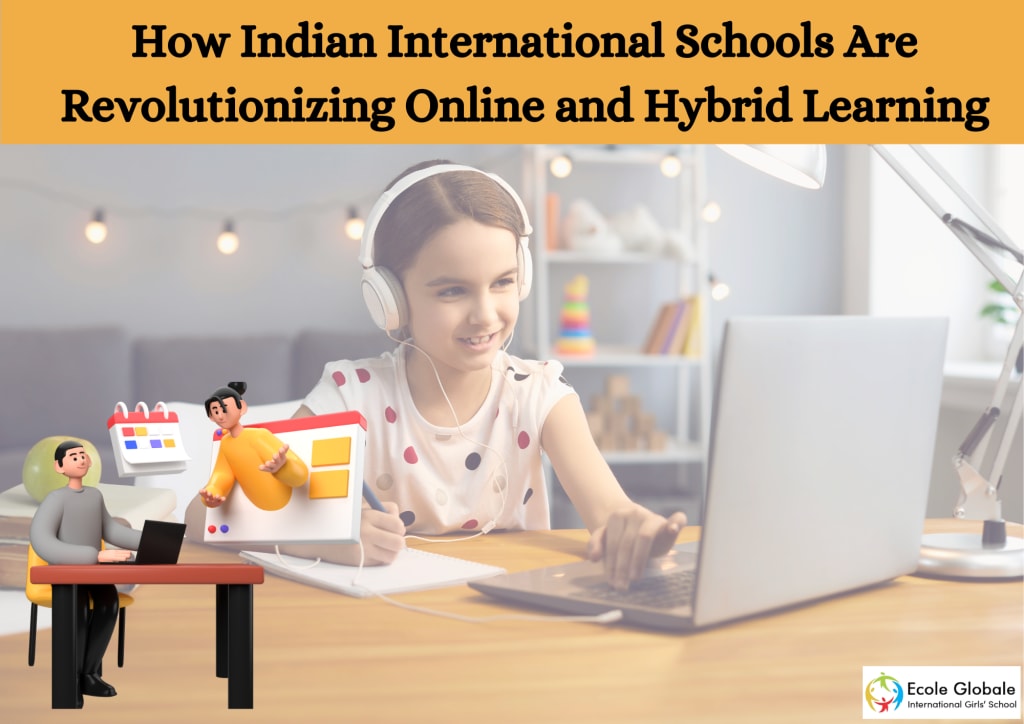
Imagine a learning environment where students can attend classes from the comfort of their homes while still engaging in group activities, discussions, and interactive lessons. This is no longer a futuristic concept but a reality made possible by international schools in India.
These schools are at the forefront of educational innovation, embracing online and hybrid learning models that offer flexibility, personalization, and global exposure.
In a world where digital transformation is reshaping every sector, education is no exception. The shift towards hybrid learning is not just a response to the pandemic but a strategic move toward a more inclusive, student-centric approach to education.
The Rise of Online and Hybrid Learning
The sudden shift to online learning during the COVID-19 pandemic revealed both the potential and challenges of remote education. While many traditional schools struggled to adapt, international schools in India seized the opportunity to innovate.
They adopted cutting-edge technologies, redefined teaching methodologies, and introduced hybrid learning models that blend online and offline education.
This hybrid approach ensures that students can access quality education, whether they're learning from home or attending classes in person.
By leveraging digital tools, international schools have been able to create interactive and engaging learning experiences that prepare students for a future driven by technology.
What Sets International Schools in India Apart?
International schools have always been pioneers in adopting global best practices, and their approach to online and hybrid learning is no different. Here’s what makes their approach unique:
1. Advanced Use of Technology
From AI-driven learning platforms to cloud-based educational tools, international schools in India use advanced technology to enhance student engagement.
These tools personalize the learning experience, allowing students to progress at their own pace. Virtual labs, simulations, and gamified learning platforms make concepts more interactive and accessible.
For instance, students can conduct science experiments in a virtual lab or solve math problems with the help of AI-guided assistants. This hands-on approach bridges the gap between theoretical knowledge and real-world application.
2. Personalized Learning Pathways
One of the greatest advantages of hybrid learning is the ability to personalize education. International schools tailor their lessons to meet individual student needs.
Students who grasp concepts quickly can move on to more advanced topics, while those who need more time receive additional support.
By using AI-based learning platforms, teachers can track students' progress and offer personalized feedback. This approach ensures that every student receives the attention they need to succeed.
3. Interactive Online Classrooms
Unlike traditional online classes that rely on one-way lectures, international schools in India focus on interaction and collaboration. Students actively participate in discussions, group projects, and virtual breakout sessions.
Live polls, quizzes, and interactive whiteboards make lessons more engaging. Teachers encourage critical thinking and teamwork, ensuring students remain connected with their peers, even in a virtual setting.
4. Blended Learning Models
Hybrid learning blends the best of both worlds—online and in-person education. Students attend physical classes on certain days and participate in online lessons on others. This model offers flexibility, reduces student fatigue, and allows for a more balanced learning experience.
Blended learning also reduces classroom overcrowding, giving students more personalized attention during in-person sessions. This approach is especially beneficial for students preparing for board exams or international assessments.
5. Global Exposure and International Curricula
Many international schools in India follow global curricula like the International Baccalaureate (IB), Cambridge International, and Advanced Placement (AP). These curricula emphasize critical thinking, research, and inquiry-based learning.
Hybrid learning allows students to access global resources, attend virtual guest lectures from international experts, and participate in global student exchanges. This exposure broadens their horizons and prepares them for higher education abroad.
6. Holistic Development and Extracurricular Activities
Even in an online or hybrid model, international schools ensure holistic development. Virtual sports classes, music lessons, art workshops, and coding boot camps keep students engaged beyond academics.
Platforms like Zoom and Google Meet are used for virtual extracurricular activities, ensuring students can continue to pursue their passions.
Schools also encourage students to participate in virtual competitions, debates, and hackathons, offering them a chance to showcase their talents on a global stage.
Benefits of Online and Hybrid Learning for Students
The transition to online and hybrid learning has brought a host of benefits for students in international schools in India. Here’s why this model is gaining traction:
Flexibility: Students can learn at their own pace, revisiting recorded lessons and balancing academics with extracurricular activities.
Enhanced Digital Skills: Online learning equips students with essential digital skills like using collaborative tools, navigating online platforms, and practicing online etiquette.
Access to Global Resources: Hybrid learning opens up access to online libraries, virtual labs, and educational content from around the world.
Reduced Commuting Time: Students save time and energy by attending online classes, leading to better time management.
Greater Parental Involvement: Parents can observe their child's progress and become more involved in their educational journey.
Challenges in Online and Hybrid Learning
While online and hybrid learning offer numerous benefits, they also present challenges:
Digital Divide: Not all students have access to high-speed internet or digital devices, which can hinder their learning experience.
Screen Fatigue: Prolonged screen time can affect students’ mental and physical health.
Lack of Face-to-Face Interaction: Online learning can reduce social interaction, which is crucial for the overall development of young learners.
Teacher Adaptation: Teachers must undergo continuous training to adapt to digital tools and create engaging online lessons.
Despite these challenges, international schools in India have been proactive in addressing them. Schools provide students with devices, ensure access to stable internet, and offer training programs for teachers and students alike.
Success Stories from International Schools in India
International schools have been at the forefront of the hybrid learning revolution. Here are a few success stories:
Global Hackathons and Competitions: Students from Indian international schools have participated in international coding competitions, art festivals, and business idea pitch events—many of which were held virtually.
Scholarship Achievements: Students who engaged in hybrid learning models have successfully secured scholarships at leading universities worldwide, thanks to their exposure to global curricula and hybrid learning environments.
STEM Innovations: Some students have developed AI-based projects, apps, and prototypes as part of their hybrid learning projects.
These success stories demonstrate the power of hybrid education to inspire innovation and achievement.
How Parents Can Support Online and Hybrid Learning
For parents, supporting children in an online or hybrid learning environment requires a different approach. Here’s how you can help:
Create a Dedicated Learning Space: Designate a quiet, distraction-free area for your child to study.
Establish a Routine: Ensure your child follows a consistent schedule for online classes, assignments, and breaks.
Monitor Screen Time: Balance screen time for education, entertainment, and relaxation.
Communicate with Teachers: Stay in touch with your child's teachers to stay updated on their progress.
Encourage Independent Learning: Motivate your child to take initiative and seek help when needed.
By actively participating in their child’s education, parents can ensure that students make the most of online and hybrid learning.
Conclusion
The revolution in online and hybrid learning led by international schools in India is transforming education like never before.
With personalized learning pathways, interactive classrooms, and a blend of online and offline experiences, these schools are preparing students for the future.
For parents and students, this shift represents an opportunity to embrace flexible learning models that go beyond traditional education.
By choosing a school that prioritizes online and hybrid learning, students gain access to global resources, expert faculty, and a curriculum that nurtures both academic and personal growth.
As technology continues to evolve, hybrid learning will become the new norm. International schools in India are already ahead of the curve, ensuring students develop the skills, adaptability, and confidence to excel in a fast-changing world.
If you're looking for a future-ready education, international schools are the ideal choice for your child.
About the Creator
Enjoyed the story? Support the Creator.
Subscribe for free to receive all their stories in your feed.
Comments
There are no comments for this story
Be the first to respond and start the conversation.