
How Image and Text Balance Affects Ad Performance
Image and Text Balance Affects Ad Performance
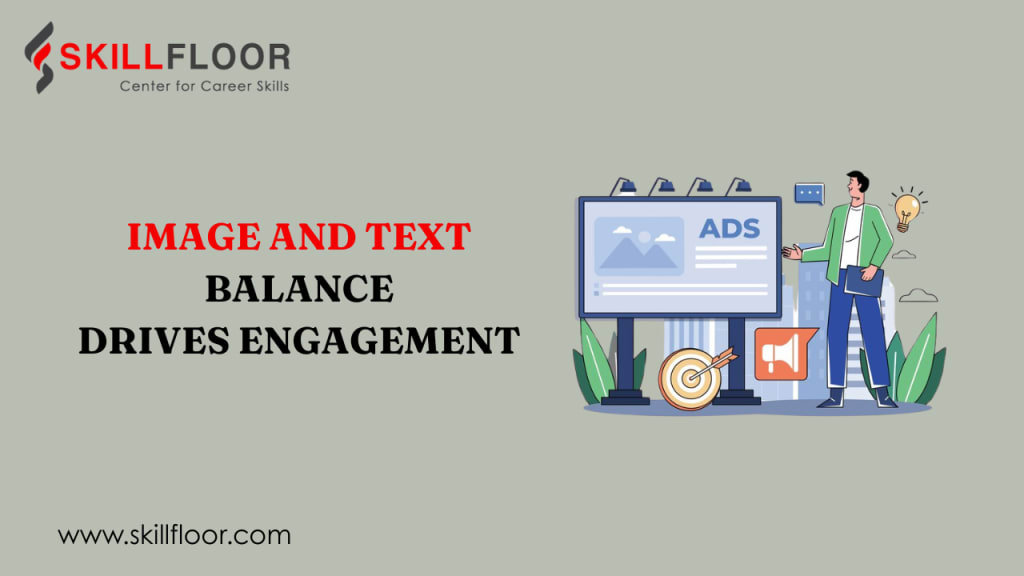
Have you ever wondered how advertisements are able to capture your interest so quickly? Businesses use the ideal ratio of text to images in digital marketing to produce ads that grab attention and captivate visitors.
Let me explain to you about – “How Image and Text Balance Affects Ad Performance”. Before that let me tell you about - What is Social Media?
Social media is a group of online platforms that allow users to interact, exchange information, and maintain connections. Social media platforms such as Facebook, Instagram, and Twitter enable users to interact with others by sharing updates, images, and videos.
The Role of Image and Text in Ads
1. Images grab attention
An attention-grabbing, powerful image may draw people in right away and cause them to halt and concentrate on the advertisement. It establishes the tone and message.
2. Text provides clarity
Text provides more information about the product or service or helps in explaining the image. It helps viewers comprehend the purpose of the advertisement.
3. Balance creates impact
Ads that have the proper balance of text and image are both visually appealing and straightforward to comprehend. Too much of either might be too much for the audience.
4. Emotional connection
Text may intensify emotions, whereas images could cause them. When combined, they strengthen the bond and motivate individuals to act.
5. Learn and improve
The key to digital marketing is figuring out what works. You may learn how to blend text and image for successful advertisements by enrolling in digital marketing courses.
Why Ads Matter So Much Today
Ads are crucial for businesses to stand out in the fast-paced world of today. As digital channels gain popularity, marketers must draw attention fast. Advertisements influence perceptions in addition to providing information, fostering trust, and influencing customer behavior. They assist companies in reaching their target market more successfully than in the past.
Because they offer a direct channel of communication with customers, advertisements are important. Ads are an effective way to reach a wide range of people, whether through websites, social media, or search engines. Ads are an essential component of contemporary marketing tactics because they have the power to pique attention, pique curiosity, and motivate action.
The Impact of Image and Text Balance on Ad Performance
1. Images Grab Attention
People pause and look at images because they quickly grab their attention. A powerful, unambiguous visual helps convey the advertisement's message rapidly and pique viewers' interest, promoting more interaction with the content.
- Instant Appeal: Images stand out in a sea of content very fast. Viewers may pause and interact with an advertisement if it has an engaging image.
- Visual Storytelling: Without using words, a well-chosen image may convey a story and create strong feelings in the viewer.
- First Impressions Matter: The picture is the first thing that people see. An effective image captures attention and conveys the main idea of the advertisement right away.
2. Text Provides Clarity
The text helps in making an advertisement's point clearer. It increases the effectiveness of the advertisement by outlining the product, emphasizing its main advantages, and directing the audience to the next step.
- Detailed Explanation: Text offers important information, but visuals draw your attention. It provides visitors with the background information they need to comprehend the item or service.
- Calls to Action: Direct instructions like "Shop Now" or "Learn More," which compel consumers to act right away, are frequently used in text.
- Focus on Benefits: The advantages of the product are better highlighted by clear wording, which also makes sure that the audience is aware of the precise benefits of interacting with the advertisement.
3. Balance Creates Impact
An advertisement feels consistent and simple to comprehend when the visuals and text are in balance. Better engagement results from a well-mixed design that captures attention and conveys the content clearly.
- Visual Harmony: A picture and words that are properly balanced produce a unified appearance. Both components cooperate to guarantee that the message is understandable and captivating.
- Avoid Overcrowding: A messy image or excessive writing might overwhelm the viewer. A straightforward, well-balanced design makes the message stand out and is simpler to comprehend.
- Easy to Digest: When properly balanced, the advertisement is simple to understand. Better engagement results from viewers' ability to grasp the advertisement's message immediately. You may use this balance to increase the efficacy of your advertisements as a Certified Social Media & Content Marketing Professional.
4. Emotional Connection
Text increases the emotional effect that images produce. When combined, they create comfort and trust, which motivates viewers to identify with the brand and act.
- Visual Appeal: People may act as a result of the feelings that images generate. The viewer may feel more connected to the product if the image is memorable or relevant.
- Text Amplifies Emotion: The emotional tone established by the image is reinforced by the text, strengthening the bond. Depending on the point being made, it might be humorous, inspirational, or compelling.
- Trust and Comfort: People are more likely to trust a brand when the words and images have emotional resonance. Users are encouraged to interact and ultimately convert as a result of this trust.
5. Test and Optimize
Ads must be tested and optimized to be successful. To boost performance and increase engagement, try out various picture and text combinations, monitor the results, and adjust your approach.
- A/B Testing: To determine what your audience responds to best, try out various picture and text combinations. Over time, outcomes are improved and ad performance is optimized with regular testing.
- Performance Metrics: Monitor the impact of text and picture modifications on KPIs like conversion and click-through rates. This enables you to determine what works best and improve your approach.
- Continuous Learning: Continue to grow and adapt. Keep up with emerging trends and industry best practices to enhance your advertisements and produce more captivating, impactful content.
Best Practices for Achieving the Ideal Image and Text Balance
1. Keep it Simple
Make use of brief, image-enhancing content. An excessive amount of text might overcrowd the layout and detract from the main idea.
2. Make Text Readable
Make sure the writing is easy to read and clear. Use contrasting colors and big letters to improve visibility, particularly on mobile devices.
3. Choose Relevant Images
Choose pictures that are closely related to what you're saying. A powerful graphic strengthens the words in your advertisement, increasing its persuasiveness and comprehensibility.
4. Focus on Your Audience
Consider your target audience while creating the picture and content. Recognize what interests them and adjust your advertisement accordingly to increase interaction.
5. Test Different Combinations
Try out different layouts for the text and images. You can improve your strategy and see what works best with A/B testing.
Achieving the ideal image-text ratio is essential to producing advertisements that genuinely engage your target audience. Ad performance may be optimized by emphasizing relevancy, simplicity, and ongoing testing. Platforms such as Skillfloor provide helpful resources for improving your digital marketing abilities, enabling you to produce more captivating, successful content that promotes expansion.
About the Creator
Naveen S
Myself Naveen.S - Digital Marketer dedicated to enhancing businesses online presence. With expertise in SEO, social media marketing, and content creation, boosts brand visibility and engagement through data-driven strategies.
Enjoyed the story? Support the Creator.
Subscribe for free to receive all their stories in your feed.
Comments
There are no comments for this story
Be the first to respond and start the conversation.