
How Global Service Shapes Compassionate Church Leadership
How global service shapes compassionate church leadership

There is a quiet shift that happens when someone returns home after spending time in another part of the world. It is not always visible at first. It shows up in small pauses during conversation, in the way they listen more closely, or in how they speak with a little more care. People who have served globally often carry back more than stories. They bring a changed perspective that reshapes how they lead, especially within a church setting.
Seeing Beyond Familiar Borders
Traveling for global service often begins with a simple idea: to help. Yet what many people discover is that the experience does more than meet immediate needs. It opens a window into lives that operate under very different conditions. Daily routines, access to resources, and even basic expectations can look entirely different.
In those moments, leaders begin to notice how limited their previous view may have been. What once felt universal now feels local. This shift matters. It creates space for humility, which becomes a defining trait in compassionate church leadership. Instead of assuming understanding, leaders begin asking better questions and listening with greater intention.
Learning Through Shared Humanity
One of the most lasting impressions from global service is the realization that, despite cultural differences, human needs remain deeply similar. People everywhere seek connection, dignity, and hope. These shared desires powerfully cut across language and geography.
Church leaders who have experienced this firsthand often carry a deeper sense of empathy into their communities. They become more aware of the struggles that exist even within familiar spaces. The stories they have witnessed abroad help them recognize quiet struggles at home that might otherwise go unnoticed. This awareness does not come from theory. It comes from lived experience.
Shifting the Definition of Leadership
Global service can challenge common ideas about what leadership looks like. In many settings, leadership is less about authority and more about presence. It is about showing up, building trust, and walking alongside others rather than directing from a distance.
This pattern often carries over when leaders return to their home churches. They begin to move away from a top-down approach and toward something more relational. Instead of focusing only on outcomes, they pay closer attention to people. This subtle change shapes a leadership style that feels more grounded and accessible.
Over time, communities respond to this shift. People feel seen, not managed. They feel heard, not instructed. These changes may seem small, but they create a deeper sense of trust that strengthens the entire community.
Embracing Complexity Without Fear
Serving in unfamiliar environments often brings moments of uncertainty. Plans do not always work as expected. Cultural misunderstandings happen. Resources may be limited. These experiences teach leaders how to navigate complexity without rushing to control it.
Back home, this ability becomes a quiet strength. Church leaders who have faced unpredictable situations abroad often show greater patience in local challenges. They are less likely to react quickly or make rigid decisions. Instead, they allow space for understanding to grow.
This approach can transform how conflicts and tensions are handled within a church. Rather than seeking quick fixes, leaders learn to sit with complexity. They begin to value process as much as resolution. This mindset fosters a healthier environment where growth feels possible, even in difficult moments.
Carrying the Experience Forward
The impact of global service does not end when the trip is over. It continues to shape how leaders think, speak, and relate to others. The lessons learned abroad often resurface in unexpected ways, influencing decisions and conversations long after the experience has passed.
In many cases, these leaders develop a deeper awareness of their role within a broader world. They see their local church not as an isolated space, but as part of a larger human story. This perspective adds depth to their leadership and helps them connect local actions with global realities.
A Broader View of Compassion
At its core, the connection between global service and leadership is about perspective. Exposure to different ways of life expands understanding and reshapes priorities. It encourages leaders to move beyond assumptions and toward genuine connection.
This is where the essence of compassionate church leadership becomes clear. It is not defined by position or influence, but by the ability to see others fully and respond with care. Global service does not create this quality on its own, but it often brings it into sharper focus.
The most lasting change may not be what leaders do differently, but how they see the world around them. And in that shift, compassion becomes less of an idea and more of a lived reality.
About the Creator
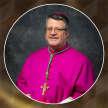
Bishop Elias Lorenzo
Bishop Elias Lorenzo was born in October 1960 in Brooklyn, New York. He grew up in the Sunset Park neighborhood and attended a parish elementary school where he developed his early academic skills.
Portfolio: https://bishopeliaslorenzo.com/
Enjoyed the story? Support the Creator.
Subscribe for free to receive all their stories in your feed.
Comments