
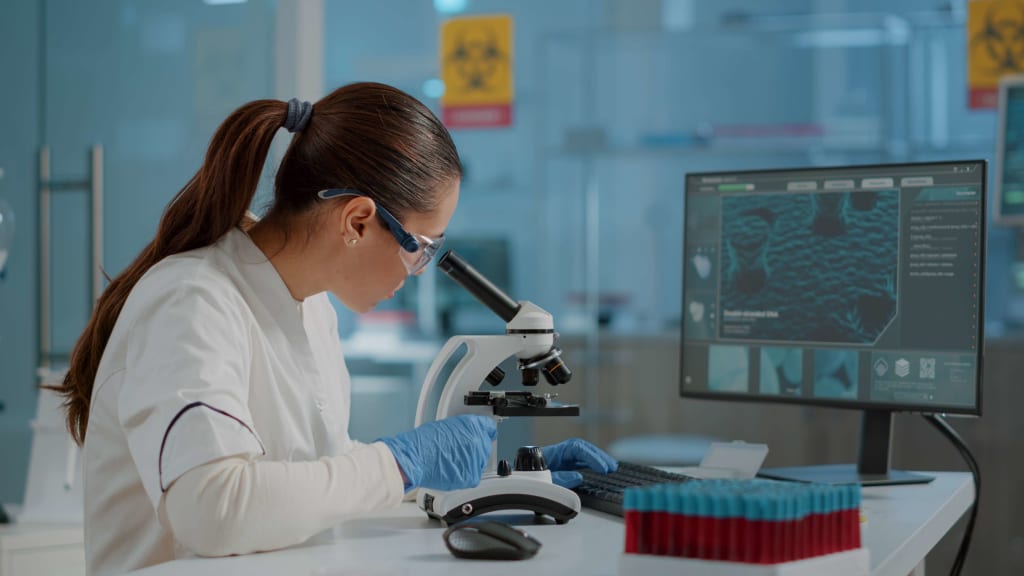
Pharmacy offers many career opportunities for life science graduates, spanning a variety of roles from clinical research to patient care. Getting a job in pharmacy requires a combination of education, specialized training and effective communication. This blog will guide you through the steps to ensure a rewarding career in pharmacy, highlighting the importance of studies such as Clinical Research and the role of clinical research training institutions.
Understanding the landscape of pharmacy operations Pharmacy is a diverse field with many career paths. Before you start looking for a job, it's important to understand the different jobs available:
Community Pharmacist: Prescribes medications and counsels patients in a commercial setting.
Clinical Pharmacist: Works in a clinical setting, collaborating with medical professionals and managing medications.
Industrial Engineer: Focuses on the development, production and quality control of drugs in the pharmaceutical industry.
Clinical Research Associate (CRA): Monitors clinical drug trials to ensure compliance with regulatory standards. Clinical Trial Manager: Responsible for the planning, execution and completion of clinical trials.
Regulatory Affairs Specialist: Ensures that pharmaceutical products comply with all applicable laws and regulations. Pharmacists conduct research and teaching at universities and research institutes.
Step 1: Get the necessary training
The first step to getting a job in pharmacy is to get the necessary degree. Most jobs in pharmacy require at least a bachelor's degree in pharmacy (B.Pharm), while others may require a doctorate in pharmacy (Pharm.D).
Bachelor's Degree (B.Pharm): This is a four-year program covering major subjects such as pharmacology, pharmaceutical chemistry and pharmacy. Doctor of Pharmacy (Pharm.D): A six-year program that includes advanced clinical training and internships.
Step 2: Gain relevant experience
Experience is essential in the pharmaceutical field. Internships, part-time jobs, and volunteer work can give you valuable hands-on experience and make you competitive.
Internships: Look for internships in hospitals, community pharmacies or pharmaceutical companies. These opportunities allow you to apply your theoretical knowledge into a real-world setting.
Volunteering: Helping out at a health foundation or in a community health program can provide hands-on experience and demonstrate your commitment to the field.
Step 3: Get special training
Special training can improve your career in pharmacy. Enrolling in a clinical research program can provide the in-depth knowledge and skills needed for a career in clinical research and drug development. Clinical Research Methods: These courses cover topics such as clinical trial management, legal issues, and data management. Earning a clinical research degree can prepare you for a position as a clinical researcher or clinical case manager.
Step 4: Join a clinical research training Institute
To gain hands-on experience and knowledge of the industry, consider joining a clinical research training institute. These institutes offer hands-on training programs covering various aspects of clinical research, from study design to data analysis. Clinical Research courses in pune with placement By completing a program at a reputable clinical research training institute, you can improve your skills and increase your chances of getting a job in clinical research.
Step 5: Develop the necessary skills
In addition to education and training, developing the necessary skills is essential for success in pharmacy. Here are some important skills for medical professionals:
Attention to detail: Ensure accurate medication distribution and data management.
Communication Skills: Communicates effectively with patients, health professionals and administrative staff.
Analytical skills: analyze data and research findings to make informed decisions.
Leadership and management skills: lead teams and manage projects, especially in roles such as clinical trial management and clinical research management.
Step 6: Build a professional network
Networking is an important part of the job search process. Establishing relationships with professionals in the field of medicine can provide valuable information and career opportunities.
Join professional organizations: Organizations such as the American Pharmacists Association (APhA) and the International Pharmaceutical Federation (FIP) provide networking opportunities, industry information, and career resources.
Attend conferences and seminars: Attending industry conferences and seminars can help you learn about the latest trends and connect with potential employers.
Step 7: Prepare a strong cover letter
Your CV and cover letter are your first impression with potential employers. Make sure they are well written and make your education, experience and skills relevant to the position.
Resume: Include your academic qualifications, work experience, specialized training (eg, Clinical Research Methodology), and key skills.
Cover Letter: Tailor your cover letter to any job application, emphasizing why you are a good fit for the job and how your background matches the employer's needs.
Step 8: Search for job opportunities
There are several ways to search for pharmacy job opportunities:
Online job portals: Websites like Indeed, LinkedIn, and Glassdoor list pharmacy job openings.
University Career Services: Use your university career services to find job openings and get job search help.
Professional Associations: Many professional associations have job boards and job resources for their members.
Step 9: Prepare for the interview
Preparing for an interview is critical to making a good impression on potential employers. Research the company, practice common interview questions, and be prepared to discuss your education, experience, and how you can contribute to the organization.
Mock Interviews: Conduct mock interviews with friends, family, or guidance counselors to practice your answers and get feedback. Research the company: Learn about the company's mission, values, and recent developments to demonstrate your interest and fit with the organization.
Conclusion:
Getting a job in pharmacy requires a combination of education, experience, specialized training and networking. By obtaining the necessary qualifications, gaining relevant experience, pursuing specialist training such as a clinical research course and joining a clinical research training institute, you can improve your skills and increase your chances of securing employment in the field. Clinical research and other pharmacy roles. Developing key skills, building a professional network, and preparing a strong resume and cover letter are essential steps in the job search process. With dedication and perseverance, you can start a rewarding and influential career in pharmacy.
About the Creator
lalit Thakur
Currently working as a medical coder at Tata Consultancy Services (TCS), combines a keen eye for detail with a deep understanding of medical terminology and healthcare processes, ensuring accuracy and compliance in medical documentation.
Enjoyed the story? Support the Creator.
Subscribe for free to receive all their stories in your feed.
Comments
There are no comments for this story
Be the first to respond and start the conversation.