
How can Companies Transition to Smart Advanced Manufacturing?
Smart Advanced Manufacturing Institute

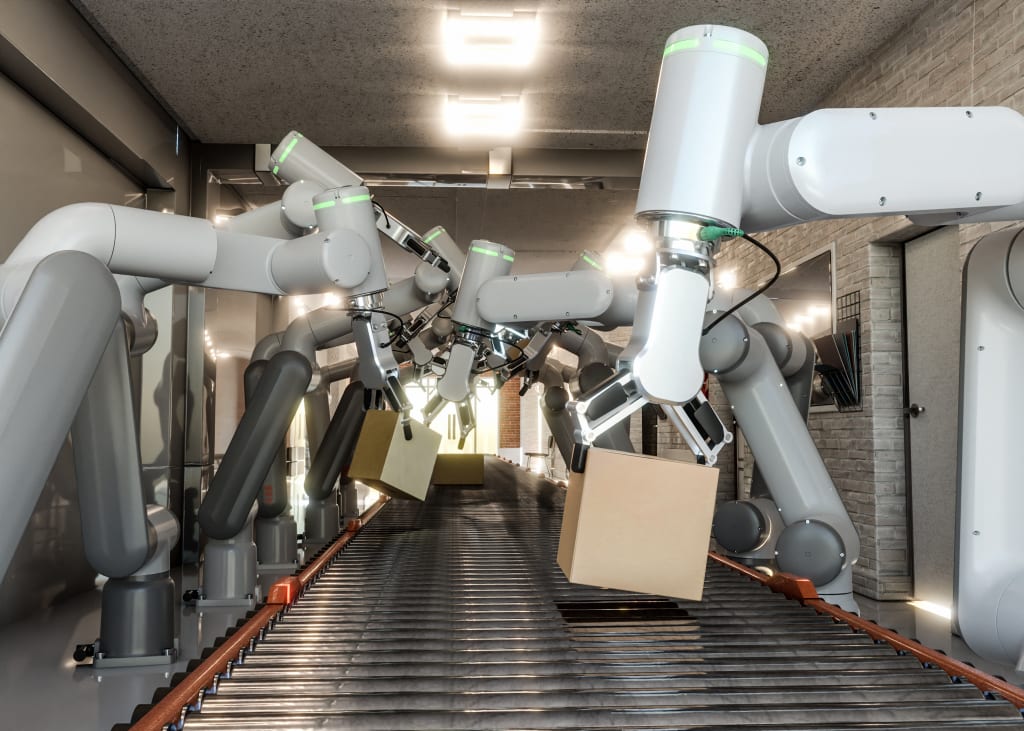
The manufacturing industry across the world is undergoing a massive transformation. Several digital technologies are playing synergistically to reshape how products are designed and manufactured. This can be attributed to Smart Advanced Manufacturing or the Industry 4.0 standards. This paramount shift integrates the following techniques to create efficient and adaptable production processes at the workplace:
• Automation
• Data Analytics
• Connected Systems
Major Manufacturing Companies are transitioning to SAM, thus gaining significant competitive advantages, such as the following:
• Improved Productivity
• Reduced Operational Costs
• Easy Delivery of Higher-Quality Products
Moving to Smart Manufacturing in India requires Businesses to adopt a well-thought-out plan. You have to integrate various technologies alongside retraining the workforce. You can revamp the traditional production models. To do all these, we have explored the key steps Companies can take to successfully transition to Smart Manufacturing in India in this blog.
By Evaluating One’s Capabilities & Setting Clear Long-Term Goals
From the pool of Smart Manufacturing technologies, companies can evaluate to match their current manufacturing capabilities by assessing their existing production processes as well as data collection systems. Here, you can identify areas of improvement such as the following:
• Which processes can I automate?
• How can I better utilize my data?
• How to rectify any existing operational inefficiencies?
Evaluate these questions to set clear goals for the SAM transition.
By Investing in Key Smart Manufacturing Technologies
Implementing Smart Advanced Manufacturing requires Businesses to use cutting-edge technologies that can revolutionize their production processes. Some of the key technologies that Companies can invest in are the following:
• Industrial Internet of Things or the IIoT
• Robotics and Automation
• Artificial Intelligence (AI)
• Machine Learning (ML)
• Additive Manufacturing, such as 3D Printing
By Adapting Data-Driven Decision-Making at Workplace
Smart Manufacturing requires data to be a critical asset and is does so by enabling the collection, analysis, and resolution of data from any of the following sources:
• Sensors
• Machines
• Employees
With this, companies are enables to make informed decisions, such as using real-time data from machines to predict the maintenance call, thus reducing any unplanned downtime. One can fully capitalize on data with the following endeavors:
• Implementing Predictive Maintenance
• Monitoring KPIs or Key Performance Indicators
• Leveraging Data Analytics
By Up-skilling the Man Force in Smart Manufacturing Practices
When you integrate new Smart Technologies in your manufacturing procedures, then you will have to significantly amend the role of your workforce, as they need to be trained in specific areas such as the following:
• Data Analysis
• Digital Literacy
• Automation Management
• Collaboration with Smart Systems
You can also invest in Training & Education programs to ensure your workforce can support your new Smart Manufacturing initiatives.
By Strictly Abiding to Cyber Security Protocols
If you increase the use of connected devices for data exchange at your workplace as per the Smart Advanced Manufacturing directives, then Cyber Security will become quite a concern for you. Many companies protect their production systems as well as sensitive information from cyber-attacks using the following steps:
• Implementing Robust Security Measures for building networks, running devices, and storing data
• Encrypting data to restrict access to Sensitive Systems
• Monitoring major networks for any kind of suspicious activities
• Swiftly responding to potential threats in real-time
You must build a strong cyber-security infrastructure to ensure that the transition to Smart Manufacturing is easy.
Closing on SAM …
Businesses seeking to transition to Smart Advanced Manufacturing methods know the significant benefits it offers, like increased operational efficiency and enhanced product quality. One can evaluate their current capabilities and accordingly invest in key technologies by adopting data-driven decision-making and necessary workforce upskilling. You can strengthen your system with Cyber Security to successfully navigate your journey from a smart factory to a major manufacturing plant.
About the Creator
NAMTECH
Our campus at Research Park, IIT Gandhinagar serves as a hub for excellence, fostering innovation, research, and the development of skills that align with the needs of the evolving industry.
Visit us: https://www.namtech.ac/
Enjoyed the story? Support the Creator.
Subscribe for free to receive all their stories in your feed.
Comments
There are no comments for this story
Be the first to respond and start the conversation.