
How Boarding Schools in India Inspire Student Creativity
How Boarding Schools in India Inspire Student Creativity
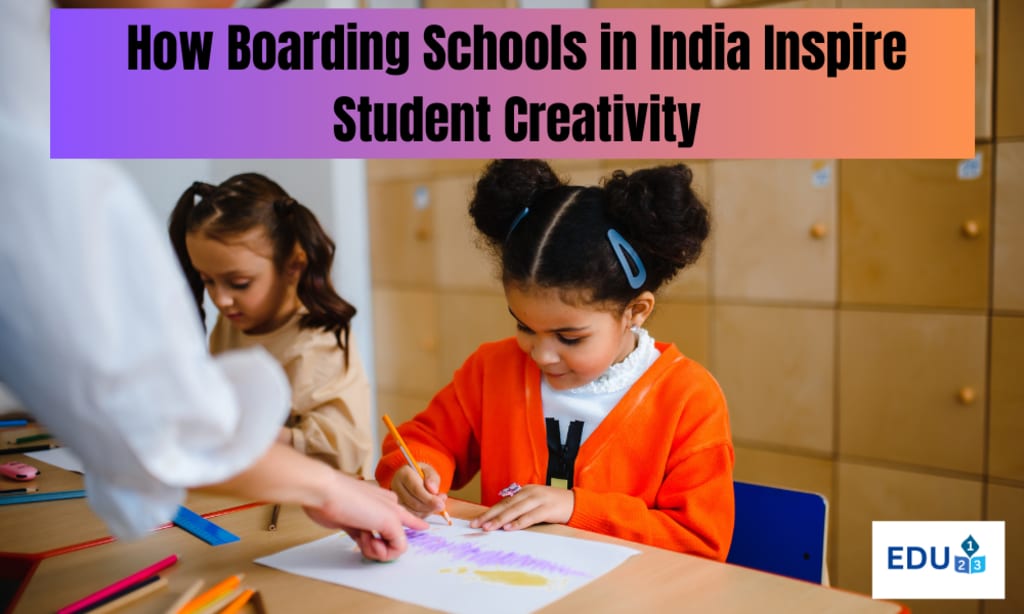
Have you ever wondered how the best Boarding schools in India go beyond academics to shape young minds? Boarding schools in India are not just institutions for education; they are vibrant ecosystems that foster creativity, innovation, and holistic development.
With a unique blend of structured learning, state-of-the-art facilities, and a nurturing environment, these schools are becoming the preferred choice for parents seeking a well-rounded education for their children.
In this article, we will delve into how boarding schools in India inspire student creativity, helping them to think beyond the box, express themselves, and cultivate their unique talents.
A Holistic Approach to Learning
Boarding schools in India emphasize a holistic approach that integrates academic learning with co-curricular activities. Students are encouraged to explore their interests through art, music, dance, theater, and sports.
The availability of diverse clubs and societies ensures that every child finds a creative outlet that resonates with their personality.
For instance, schools like Rishi Valley School and The Doon School provide platforms for students to showcase their artistic talents through regular exhibitions, cultural festivals, and inter-school competitions.
These activities not only boost creativity but also foster confidence and leadership skills.
State-of-the-Art Facilities
One of the standout features of boarding schools in India is their investment in infrastructure. Creativity thrives when students have access to well-equipped art studios, music rooms, science labs, and libraries. These facilities create a conducive environment for students to innovate and experiment.
Top-tier boarding schools like Woodstock School and Mayo College are known for their modern facilities that rival international standards. Whether it’s crafting intricate sculptures in a pottery studio or composing melodies in a soundproof music room, students are provided with all the tools they need to express their creativity.
Mentorship and Support
The role of teachers and mentors is critical in nurturing creativity. Boarding schools in India often have a lower student-to-teacher ratio, allowing for personalized attention.
Teachers act as guides, encouraging students to think critically and explore innovative solutions to problems.
Mentorship programs in schools like Welham Boys’ and Girls’ School or Scindia Kanya Vidyalaya include professional artists, authors, and scientists conducting workshops and interactive sessions.
These experiences expose students to real-world challenges, helping them develop a creative mindset.
Collaborative and Cultural Exposure
Living in a boarding school fosters collaboration. Group activities, project-based learning, and team sports teach students the value of teamwork.
Interacting with peers from diverse backgrounds further broadens their horizons, sparking creative ideas and cultural appreciation.
Cultural immersion programs, often a hallmark of boarding schools in India, encourage students to celebrate traditions while being open to global perspectives.
Schools like The International School Bangalore emphasize international exchange programs, enabling students to share and gain creative insights across borders.
Focus on Arts and Performing Arts
The arts hold a special place in many boarding schools in India. Drama clubs, music bands, and dance troupes are integral to school life. These schools often organize performances and competitions where students can showcase their skills.
Performing arts not only enhance creativity but also teach discipline, resilience, and the importance of practice. Many alumni of Indian boarding schools have gone on to become renowned actors, musicians, and artists, a testament to the strong creative foundation these schools provide.
Technology-Driven Creativity
In today’s digital age, creativity is often expressed through technology. Boarding schools in India are embracing this trend by incorporating technology into their curricula.
From coding and robotics to graphic design and video production, students have ample opportunities to combine their creative and technical skills.
Schools like Pathways World School and Indus International School are pioneers in introducing STEM-based activities that inspire innovation.
Tech competitions and hackathons are common events, pushing students to think creatively while solving complex problems.
The Role of Nature
Many boarding schools in India are located in picturesque settings, surrounded by mountains, forests, or rivers.
These serene environments are ideal for creative thinking. Studies show that spending time in nature boosts creativity and reduces stress.
Schools such as Sahyadri School and Kodaikanal International School leverage their natural surroundings to inspire students.
Activities like nature walks, organic farming, and outdoor sketching sessions allow students to draw inspiration from the world around them.
Conclusion: Unleashing Creative Potential
Boarding schools in India play a pivotal role in nurturing creativity in students. By providing a well-rounded education, fostering innovation, and encouraging cultural and artistic pursuits, these schools prepare students to excel in every aspect of life.
For parents seeking an institution that prioritizes creativity alongside academic excellence, boarding schools in India are an excellent choice.
Whether your child dreams of becoming an artist, a scientist, or a leader, the creative foundation laid in these schools will serve them well in achieving their aspirations.
As you consider the educational path for your child, remember that creativity is not just a skill—it’s a mindset that boarding schools in India strive to cultivate.
About the Creator
Enjoyed the story? Support the Creator.
Subscribe for free to receive all their stories in your feed.
Comments
There are no comments for this story
Be the first to respond and start the conversation.