
How AI Is Transforming Digital Marketing Strategies
As we step deeper into a data-driven age, AI is no longer optional—it's essential.
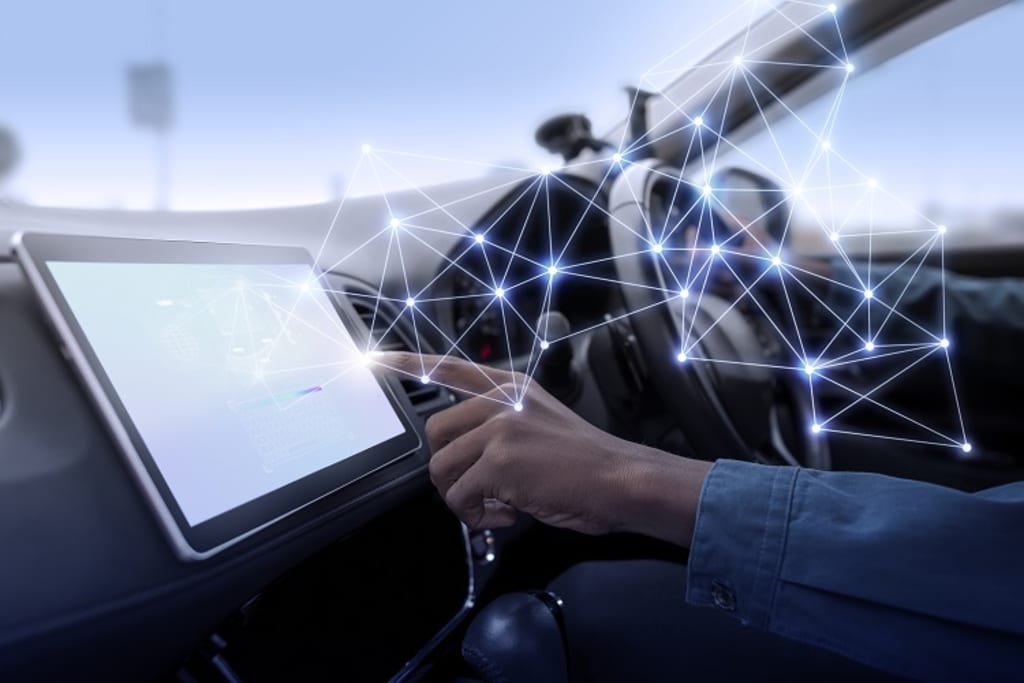
The digital marketing landscape is changing at lightning speed, and artificial intelligence (AI) is at the heart of this transformation. From hyper-personalized content to predictive analytics and automated customer service, AI is unlocking new dimensions of efficiency and innovation for marketers worldwide.
Professionals across the industry are recognizing this shift. Enrolling in an artificial intelligence is quickly becoming the go-to step for marketers who want to stay ahead in a competitive digital space. These courses teach not just the tech behind AI, but how to implement it meaningfully in marketing strategies that deliver measurable results.
Enhancing Customer Experience Through Personalization
One of the most profound impacts of AI on digital marketing is the ability to personalize customer experiences at scale. Gone are the days of one-size-fits-all content. Today, consumers expect brands to understand their preferences and deliver relevant messages in real time.
With AI, marketers can analyze massive amounts of data to identify behavioral patterns, interests, and purchase history. This enables dynamic content creation and targeted campaigns that resonate with individual users. AI-powered tools can segment audiences more effectively and optimize the timing of interactions to increase engagement and conversions.
Marketers are using skills acquired from an artificial intelligence training in bangalore to build algorithms that predict user needs even before they express them. For instance, a customer browsing athletic wear might automatically receive personalized product recommendations, promotions, or even a chatbot message offering help creating a seamless and engaging experience.
Smarter Data Analysis and Predictive Insights
Data is the fuel of digital marketing, but making sense of it requires more than spreadsheets. AI brings the ability to digest and analyze massive datasets in seconds, providing valuable insights that can shape strategy, design, and execution.
Predictive analytics powered by AI allows marketers to anticipate future consumer behavior, such as the likelihood of a lead becoming a paying customer or a shopper abandoning their cart. These insights help tailor marketing actions, reduce wasted budget, and increase ROI.
Understanding how to build and interpret such models is why many professionals turn to an artificial intelligence. These programs offer hands-on exposure to data science tools, machine learning models, and optimization techniques that are transforming how brands use data.
In addition, AI can continuously learn from new data, ensuring that marketing strategies evolve in real time based on performance. This level of adaptability is key to staying competitive in an ever-changing digital environment.
Revolutionizing Content Creation and Curation
Content remains king in digital marketing, but AI is reshaping how it is created and distributed. Today, AI tools can generate copy for email campaigns, social media posts, and product descriptions all while maintaining brand voice and tone.
Natural language processing (NLP) and generative AI are making it easier for marketers to scale content production without sacrificing quality. AI systems can also curate content, recommending blogs, videos, or products based on user preferences and behaviors.
Those who have completed an artificial intelligence course in Datamites Institute are better equipped to integrate these tools into their workflows. They learn to fine-tune AI-generated content, train language models for niche audiences, and use sentiment analysis to adjust messaging strategies.
Beyond creation, AI also helps with content optimization. It can evaluate how well a piece of content performs with different audience segments and suggest edits or distribution adjustments to improve impact. This transforms content marketing from a guessing game into a data-driven science.
Automating Campaign Management and Ad Targeting
Managing complex marketing campaigns manually can be time-consuming and prone to errors. AI simplifies campaign management by automating repetitive tasks such as bidding, budget allocation, A/B testing, and performance reporting.
AI-driven ad platforms like Google Ads and Meta's ad manager already use machine learning algorithms to optimize ad delivery. These tools evaluate dozens of variables—including time of day, user intent, device type, and behavior history to ensure your ads reach the right audience at the right time.
Understanding how these algorithms work can offer marketers a competitive advantage. That’s why many now seek an artificial intelligence to dive deep into the mechanics of ad optimization and marketing automation. This knowledge enables them to tweak campaigns in ways that go beyond surface-level settings.
Marketers who embrace AI-driven automation can run more agile, cost-effective, and scalable campaigns. Instead of juggling hundreds of tasks, they can focus on strategy, creative direction, and customer relationships.
Improving Customer Service with Chatbots and Virtual Assistants
AI is redefining the way businesses interact with customers, particularly through chatbots and virtual assistants. These technologies offer 24/7 support, handle thousands of inquiries simultaneously, and resolve issues quickly resulting in happier, more loyal customers.
Modern AI chatbots are capable of understanding natural language, recognizing context, and even detecting emotions. They can guide users through purchases, answer frequently asked questions, and escalate issues to human agents when necessary.
Professionals trained through an artificial intelligence understand how to design and deploy intelligent chat systems. They can customize responses, integrate chatbots into CRM platforms, and analyze conversational data to continually improve performance.
Customer service is often a brand’s first point of contact, and with AI, that interaction can be fast, friendly, and frictionless. By reducing wait times and offering instant solutions, businesses are turning support into a powerful marketing asset.
Ethical Considerations and Data Privacy
While AI brings many advantages to digital marketing, it also raises ethical questions, particularly regarding data privacy and transparency. With AI collecting and processing personal data to create hyper-personalized campaigns, marketers must tread carefully.
Consumers are increasingly aware of how their data is used, and regulations like GDPR and India’s DPDP Act mandate strict compliance. AI systems must be designed to respect consent, avoid bias, and ensure accountability in automated decisions.
One of the benefits of enrolling in an artificial intelligence is gaining a clear understanding of these ethical frameworks. These programs often include modules on responsible AI, helping marketers build systems that prioritize fairness, security, and user trust.
As AI continues to evolve, it’s crucial for marketing professionals to remain informed and proactive. Ethical marketing practices are not just a legal obligation they’re essential for brand reputation and customer loyalty.
The Future of AI in Digital Marketing
Looking ahead, the role of AI in digital marketing will only grow. Technologies like voice search, visual recognition, and augmented reality will integrate AI to offer more immersive and intelligent experiences. Hyper-automation will allow marketing departments to operate with minimal human intervention while delivering maximum impact.
As AI tools become more accessible, the playing field will level but only for those prepared to leverage them. Gaining technical literacy through an artificial intelligence can be the key differentiator between simply surviving and thriving in the evolving marketing landscape.
Marketers must remain agile, data-literate, and ethically grounded to lead the next wave of AI-powered innovation.
Artificial intelligence is not just a trend, it's the foundation of modern digital marketing strategies. From customer experience and content creation to campaign management and analytics, AI is changing how brands communicate, connect, and convert.
Staying ahead in this dynamic field requires more than just curiosity. It demands knowledge, hands-on experience, and a willingness to evolve. Whether you're a seasoned marketer or a newcomer to the industry, enrolling in an artificial intelligence can equip you with the tools and mindset needed to master AI in marketing.
By embracing AI responsibly and creatively, marketers can not only keep pace with change but lead it.
About the Creator
Enjoyed the story? Support the Creator.
Subscribe for free to receive all their stories in your feed.
Comments
There are no comments for this story
Be the first to respond and start the conversation.