
Introduction
Herbal tea is a beverage produced from the infusions of medicinal herbs. Fresh or dried roots, stems, leaves, fruits, flowers, seeds, barks, or the entire plant from various herbal tea plant species are utilized in the herbal tea.
Herbal teas come in a broad range since each type is prepared from a combination of naturally occurring substances, each with its own health benefits. Herbal tea is not considered as tea in the traditional sense, but it is prepared by brewing and boiling plant material. Some herbal teas are prepared using green tea technology, such as leaf tea, flower tea, and fruit tea, and can be prepared by directly soaking in cold water.
Drinking tea has a long history and has been part of Chinese culture for thousands of years. But over the past few years, the consumption of herbal tea has increased worldwide, primarily for its health benefits. Now drinking herbal teas has become indispensable in modern lifestyle.
Classifications of herbal tea
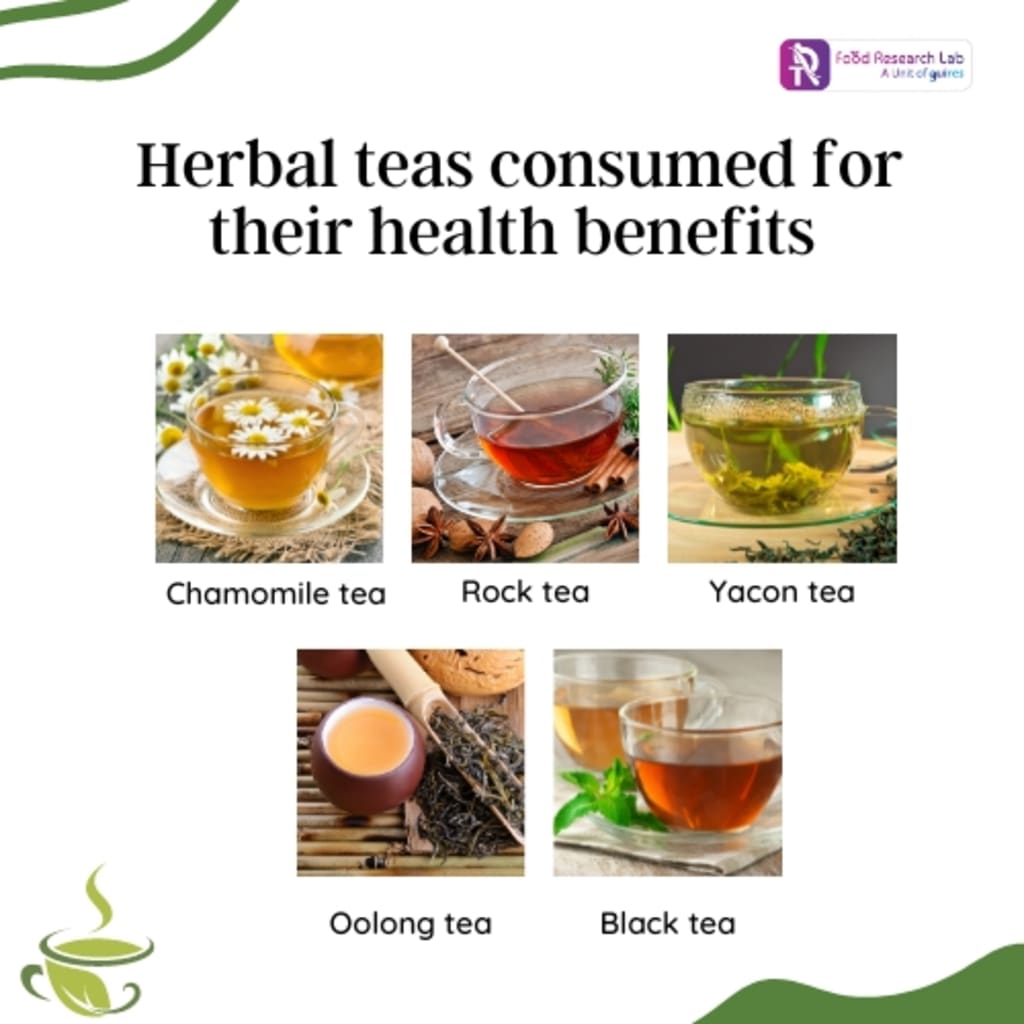
The consumption of herbal tea has become more popular owing to its health benefits and has gained a special place in the tea culture. Herbal tea can be classified based on the tea production process. Most of herbal teas are classified as non-fermented tea. Examples of non-fermented tea are Chamomile, Rock, and Yacon tea.
There are also some semi-fermented teas, such as Oolong, and fermented tea, such as black tea (for high blood pressure and headaches).
Catechin, an oxidized form of theaflavins, is a significant biochemical found in the fermentation of tea. The quantity of Catechin determines its unique aroma and color.
How are herbal teas considered functional food?
Functional foods are those foods that have additional health benefits beyond their nutritional values. Traditional practices and research show that herbal teas prepared from medicinal plants have high nutrients and are used to treat various health ailments. Herbal teas consist of many biologically active compounds such as polyphenols, flavonoids, terpenoids, volatile oils, alkaloids, organic acids, polysaccharides, proteins, amino acids, and vitamins like Vitamin C, Vitamin B1, and Vitamin B2.
Traditional herbal teas are widely consumed by the locals for therapeutic effects.
Compounds found in herbal tea have antidiabetic, antibacterial, anti-inflammatory, antioxidant, and anti-cancer properties.
Chamomile tea: Popularly used for its anti-inflammatory property
Rock tea: Helps with digestive disorders.
Yacon tea: Used as a traditional folk medicine for diabetes and digestive and kidney diseases.
Oolong tea: Used to treat obesity and high blood pressure and enhance mental alertness.
Black tea: Used for high blood pressure and headaches.
Herbal teas made with fruits are highly appreciated for their fruitiness, flavor, and health benefits. The antioxidants in herbal tea have increased attention as a functional food for its potential to treat ageing-related diseases.
Many researchers have shown interest in understanding the uses of herbal tea for its nutritional value and in treating health disorders. As a functional food, industries are developing herbal tea beverages for large-scale consumption [1].
Conclusion
Herbal tea is popular worldwide for its flavour, nutritional value, and health benefits. However, since herbal teas are prepared with medicinal plants, the properties of the ingredients used vary. Sometimes, the teas are contaminated by microorganisms that can cause illnesses. Therefore, strict regulations for preparing and labelling herbal tea products are essential. In addition, research is needed to substantiate the health benefits of herbal teas.
How Food Research Lab can help
Our team in the Food Research Lab offers B2B services in beverage formulation. We take care in choosing the right ingredients in formulating beverages like herbal teas and formulate them keeping the consumer requirements. We conduct numerous trials to assess the product’s safety, quality, and sensory properties and ensure that the product is correctly labelled and meets the regulatory requirements, making it successful.
About the Creator
Enjoyed the story? Support the Creator.
Subscribe for free to receive all their stories in your feed.
Comments
There are no comments for this story
Be the first to respond and start the conversation.