
HEK 293 Cells and Adenovirus Research: A Comprehensive Overview
Introduction to HEK 293 Cells
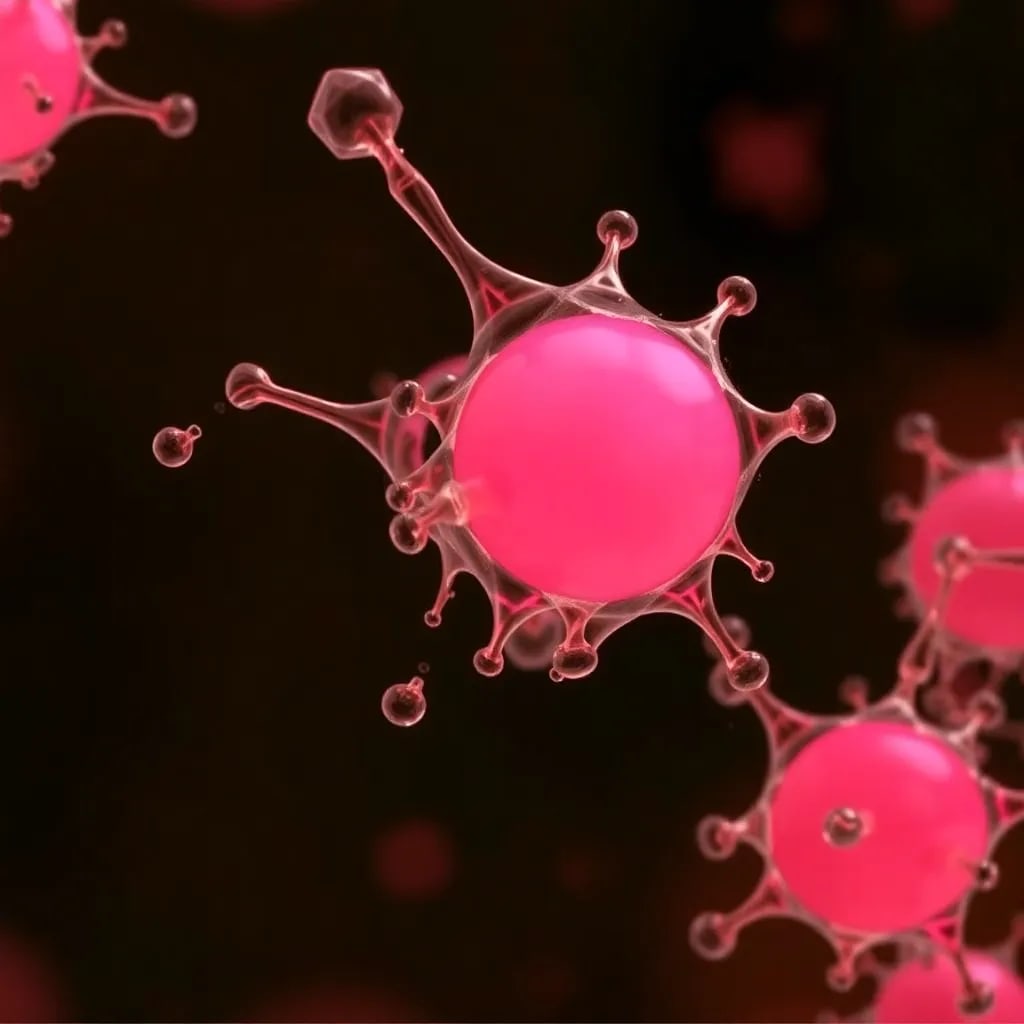
HEK 293 cells, also known as Human Embryonic Kidney 293 cells, have become a crucial tool in modern biomedical research. These cells are derived from human embryonic kidney cells that have been transformed with adenovirus 5 DNA. The resulting cell line has proven to be an invaluable resource for scientists studying a wide range of biological processes, including gene expression, protein production, and viral replication.
Origins of HEK 293 Cells
HEK 293 cells were first created in 1973 by Frank Graham, a scientist at the University of Toronto. Graham was attempting to develop a method for producing adenoviruses in large quantities for use in gene therapy. He used human embryonic kidney cells as a starting point, and then transformed them with sheared fragments of adenovirus 5 DNA. The resulting cell line, which he named hek293, was found to be highly susceptible to adenovirus infection and capable of producing large amounts of the virus.
Characteristics of HEK 293 Cells
HEK 293 cells have several unique characteristics that make them well-suited for use in biomedical research. These cells are:
Highly transfectable, meaning that they can easily take up foreign DNA
Capable of expressing high levels of recombinant proteins
Amenable to large-scale culture in suspension or adherent formats
Relatively easy to maintain and propagate in the laboratory
Applications of HEK 293 Cells in Research
Protein Production
One of the most common uses of HEK 293 cells is in the production of recombinant proteins. These cells can be transfected with a gene of interest, and then used to produce large quantities of the corresponding protein. This approach has been used to produce a wide range of proteins, including antibodies, enzymes, and growth factors.
Vaccine Development
HEK 293 cells have also been used extensively in the development of vaccines. These cells can be used to produce viral vectors, which are modified viruses that can deliver genes or other molecules into cells. Viral vectors based on adenoviruses have been particularly useful in vaccine development, as they can induce strong immune responses and provide long-lasting protection against infectious diseases.
Gene Therapy
HEK 293 cells have also been used in the development of gene therapy approaches. These cells can be used to produce viral vectors that can deliver therapeutic genes into cells or tissues. This approach has shown promise in the treatment of a wide range of genetic disorders, including cystic fibrosis, hemophilia, and certain types of cancer.
Adenovirus Research and HEK 293 Cells
Adenovirus Biology
Adenoviruses are a family of viruses that can infect a wide range of species, including humans. These viruses are non-enveloped, meaning that they lack a lipid membrane surrounding their protein capsid. Adenoviruses have a double-stranded DNA genome that is approximately 36 kilobases in size, and they replicate in the nucleus of infected cells.
Adenovirus as a Gene Delivery Vector
Adenoviruses have several properties that make them useful as gene delivery vectors. These viruses can infect a wide range of cell types, including both dividing and non-dividing cells. They also have a relatively large packaging capacity, meaning that they can carry large gene inserts. Additionally, adenoviruses do not integrate into the host cell genome, which reduces the risk of insertional mutagenesis.
HEK 293 Cells in Adenovirus Production
HEK 293 cells are commonly used for the production of adenoviral vectors. These cells can be transfected with plasmids containing the adenoviral genome, along with a gene of interest. The cells then produce infectious adenoviral particles that can be harvested and purified for use in research or clinical applications.
HEK293T Cells: A Variant of HEK 293 Cells
What are HEK293T Cells?
HEK293T cells are a variant of HEK 293 cells that have been further modified to express the SV40 large T antigen. This antigen allows for episomal replication of plasmids containing the SV40 origin of replication, which can increase protein production in these cells.
Advantages of HEK293T Cells
HEK293T cells have several advantages over traditional HEK 293 cells, including:
Higher transfection efficiency
Increased protein production
Improved stability of large plasmids
Applications of HEK293T Cells
HEK293T cells are commonly used in many of the same applications as HEK 293 cells, including protein production, vaccine development, and gene therapy. However, the increased transfection efficiency and protein production of HEK293T cells can make them particularly useful for certain applications, such as the production of lentiviral vectors.
Conclusion
HEK 293 cells have revolutionized the field of biomedical research, providing scientists with a powerful tool for studying a wide range of biological processes. These cells have been used to produce recombinant proteins, develop vaccines, and advance gene therapy approaches. The development of HEK293T cells has further expanded the utility of this cell line, offering increased transfection efficiency and protein production.
As research continues to progress, it is likely that HEK 293 cells will continue to play a crucial role in advancing our understanding of human biology and disease. By harnessing the power of these cells, scientists can develop new therapies and treatments that have the potential to improve the lives of millions of people worldwide.
About the Creator
Hella Cells
https://www.cytion.com/
Enjoyed the story? Support the Creator.
Subscribe for free to receive all their stories in your feed.
Comments
There are no comments for this story
Be the first to respond and start the conversation.