
Health hazards of ulcerative colitis.
Causes, damages and management of ulcerative colitis.
Certainly! Here's an expanded discussion on the causes, dangers, and management of ulcerative colitis:
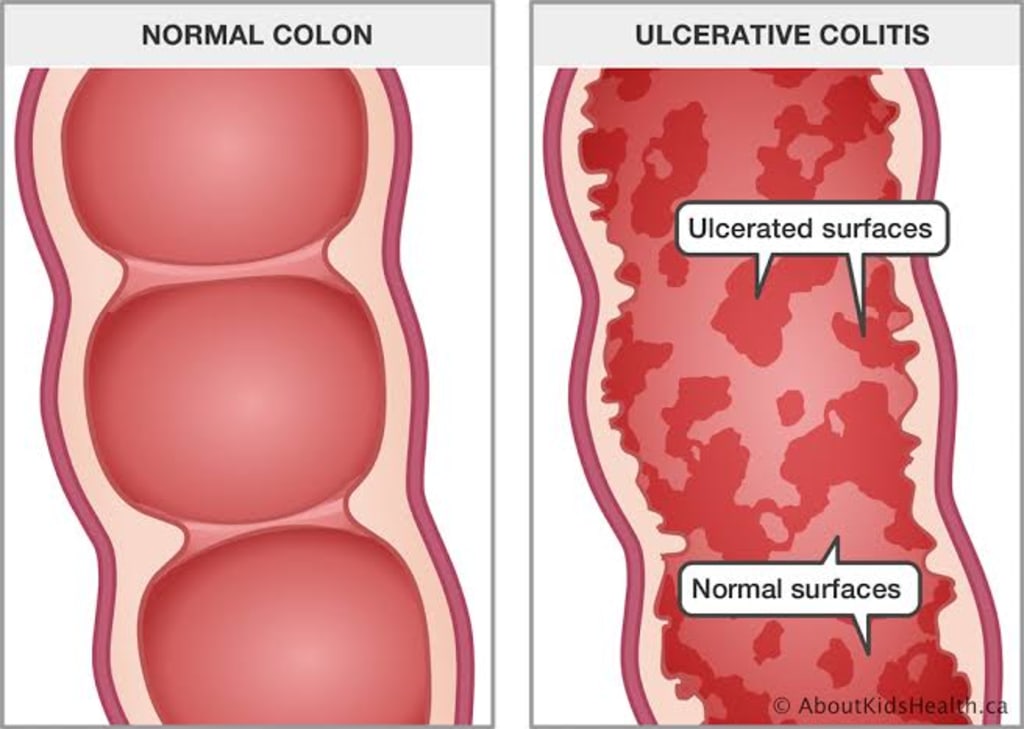
Ulcerative colitis is a chronic inflammatory bowel disease that primarily affects the colon and rectum. Although the exact cause of the condition is not yet fully understood, it is believed to result from a combination of genetic, environmental, and immunological factors. Ulcerative colitis causes inflammation and ulcers in the inner lining of the large intestine, leading to a range of symptoms and potential complications.
Causes:
a. Genetic Factors: There is evidence to suggest a genetic component in the development of ulcerative colitis. Individuals with a family history of the disease are at a higher risk of developing it themselves. Specific genes related to the immune system and inflammation regulation, such as the NOD2 and HLA genes, have been identified as potential risk factors. However, it's important to note that not everyone with these genetic predispositions will develop ulcerative colitis.
b. Environmental Factors: Several environmental factors have been associated with an increased risk of developing ulcerative colitis. These include:
Diet: Certain dietary components may play a role in triggering or exacerbating ulcerative colitis. High intake of refined sugars, saturated fats, and processed foods has been linked to an increased risk, while a diet rich in fruits, vegetables, and fiber has shown a protective effect.
Smoking: Cigarette smoking has been found to have a protective effect against ulcerative colitis. However, given the numerous other health risks associated with smoking, it is strongly advised to quit smoking or avoid starting in the first place.
Infections: Some bacterial and viral infections, such as certain strains of E. coli and cytomegalovirus (CMV), have been suggested as potential triggers for ulcerative colitis. However, further research is needed to establish a definitive link.
Antibiotics: Prolonged or excessive use of antibiotics has been associated with an increased risk of developing ulcerative colitis. Antibiotics can disrupt the balance of gut bacteria, which plays a crucial role in maintaining gut health.
Dangers and Complications:
Ulcerative colitis can lead to various dangers and complications, including:
a. Severe Inflammation: The chronic inflammation in ulcerative colitis can cause severe pain, cramping, and bloody diarrhea. In severe cases, the inflammation can extend beyond the colon, affecting other parts of the body, such as the joints, skin, and eyes.
b. Increased Risk of Colon Cancer: Long-standing ulcerative colitis significantly increases the risk of developing colorectal cancer. Regular colonoscopies and surveillance are crucial for detecting precancerous changes or early-stage cancer.
c. Malnutrition and Weight Loss: The inflammation and damage to the intestinal lining can impair the absorption of nutrients, leading to malnutrition and unintended weight loss. Proper nutrition management is essential to address these issues.
d. Perforation and Bleeding: Severe inflammation can weaken the intestinal wall, resulting in perforation (a hole in the colon) or severe bleeding. These conditions require immediate medical intervention.
e. Compromised Quality of Life: Ulcerative colitis is a chronic condition that can significantly impact a person's quality of life. The unpredictable nature of flare-ups, frequent bathroom trips, and dietary restrictions can cause emotional distress, social isolation, and interfere with daily activities.
Management:
It's crucial to work closely with a healthcare professional who specializes in inflammatory bowel diseases to develop an individualized treatment plan based on the severity of your condition
The management of ulcerative colitis typically involves a combination of medical treatments and lifestyle modification Medications: Aminosalicylates: These medications reduce inflammation in the colon and are often used as first-line treatment. Examples include mesalamine, sulfasalazine, and balsalazide. Corticosteroids: They are used for short-term management of flare-ups to control inflammation. Prednisone and hydrocortisone are commonly prescribed. Immunomodulators: Medications such as azathioprine, 6-mercaptopurine, and methotrexate suppress the immune system to reduce inflammation. Biologics: These drugs target specific molecules involved in the inflammatory response. Examples include infliximab, adalimumab, and vedolizumab. Lifestyle modifications: Diet: There is no specific diet that works for everyone, but some individuals find that avoiding certain foods, such as spicy foods, high-fiber foods, and dairy products, can help manage symptoms. Keeping a food diary may help identify trigger foods. Stress management: Stress does not cause ulcerative colitis, but it can worsen symptoms. Techniques like relaxation exercises, yoga, and mindfulness may help reduce stress. Regular exercise: Physical activity can help maintain overall health and may help reduce symptoms in some individuals. Adequate hydration: Drinking plenty of fluids can help prevent dehydration, especially during flare-ups when diarrhea is more common. Other treatments: Supplemental nutrition: In severe cases or during flare-ups, a doctor may recommend a special liquid diet or enteral nutrition to provide necessary nutrients while resting the colon. Surgery: Surgery may be necessary in cases of severe ulcerative colitis that do not respond to medications or in cases of complications such as perforation or cancer. Surgical options can range from removing the colon and rectum (proctocolectomy) to creating an ileal pouch-anal anastomosis.
About the Creator
Enjoyed the story? Support the Creator.
Subscribe for free to receive all their stories in your feed.
Comments
There are no comments for this story
Be the first to respond and start the conversation.