


"Gokboru" is a Turkish term that translates to "Gray Wolf" in English. The Gray Wolf, scientifically known as Canis lupus, is a majestic and iconic species belonging to the Canidae family. It is the largest wild member of the dog family found in Eurasia and North America.
The Gray Wolf has a distinctive appearance, with a dense and thick gray fur that provides camouflage in various habitats. It exhibits sexual dimorphism, with males typically larger than females. They possess sharp senses, including excellent hearing and a keen sense of smell, enabling them to navigate and hunt effectively.
One of the most remarkable aspects of the Gray Wolf is its social structure. Wolves typically live in packs, which are complex social units led by an alpha pair. The pack hierarchy is established through dominance and submission rituals, with the alpha male and female assuming leadership roles. The pack cooperatively hunts, raises offspring, and defends territories. This social organization contributes to the survival and success of the species.
The Gray Wolf has a diverse diet, primarily consisting of ungulates such as deer, elk, and moose. However, they are opportunistic hunters and also consume smaller mammals, birds, and even fish. Their hunting techniques involve strategies such as pursuit, ambush, and cooperative hunting, depending on the prey and environmental conditions.
Historically, the Gray Wolf had a widespread distribution across Europe, Asia, and North America. However, human activities, such as habitat loss, hunting, and persecution, have significantly impacted their populations. Over the years, the Gray Wolf has faced extensive persecution due to conflicts with livestock owners and perceived threats to human safety.
Conservation efforts have been crucial in ensuring the survival and recovery of the Gray Wolf. It is listed as a protected species in many countries and has been the focus of reintroduction programs in areas where it has been extirpated. These efforts have yielded positive results, with some populations showing signs of recovery and expansion.
The ecological importance of the Gray Wolf cannot be overstated. As top predators, they play a crucial role in maintaining the balance of ecosystems. Their presence helps regulate prey populations, preventing overgrazing and promoting the health of plant communities. Additionally, their predatory influence can have cascading effects throughout the food web, benefiting numerous species and ecological processes.
The Gray Wolf is not only a symbol of wilderness and natural beauty but also holds cultural significance for many communities around the world. It has been revered in folklore, mythology, and indigenous traditions, often symbolizing strength, loyalty, and the wild spirit of nature.
In conclusion, "Gokboru," meaning "Gray Wolf" in Turkish, represents an extraordinary and remarkable species. With its adaptability, social structure, and ecological significance, the Gray Wolf continues to captivate our imagination and highlight the importance of conservation efforts to ensure its long-term survival in our changing world.
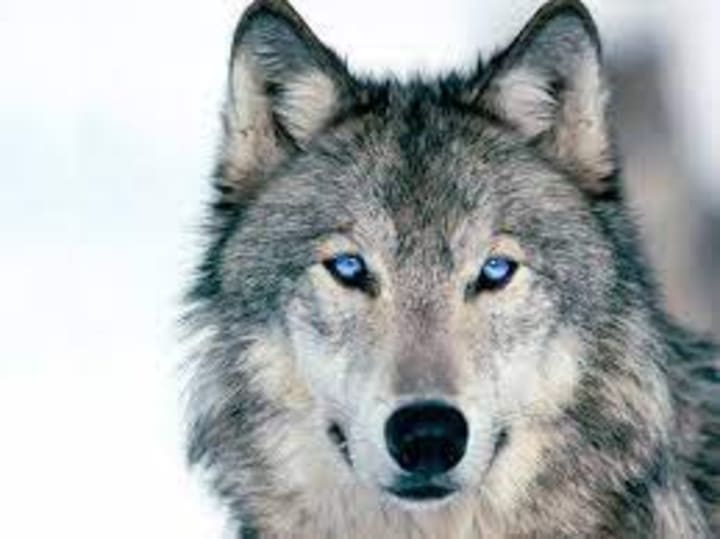
Distribution: The Gray Wolf has historically had a vast range, inhabiting diverse habitats ranging from forests and tundra to deserts and grasslands. It has been found in various countries across Europe, Asia, and North America.
Subspecies: There are several recognized subspecies of the Gray Wolf, each adapted to different geographical regions. Some well-known subspecies include the Eurasian Wolf, Arctic Wolf, Mexican Wolf, and Mackenzie Valley Wolf.
Physical Characteristics: Gray Wolves typically have a shoulder height of 60-90 cm (24-36 inches) and a length of 1.2-2 meters (3.9-6.6 feet), excluding the tail. They can weigh anywhere between 25 to 80 kg (55 to 176 lbs), with males generally being larger than females. The coloration of their fur can vary from gray to brown, black, or even white, depending on the subspecies and geographical location.
Communication: Gray Wolves have an extensive repertoire of vocalizations, including howls, barks, growls, and whines. Howling is a signature behavior and serves various purposes such as communication within the pack, territory defense, and coordinating group activities. Each wolf has a unique howl, allowing individuals to recognize each other.
Reproduction: Breeding typically occurs once a year, usually during the winter months. Gray Wolves are monogamous, and the alpha pair remains together for many years, leading the pack and being the primary breeding individuals. The gestation period is around 63 days, and a litter can consist of 4-6 pups on average. The entire pack assists in raising and nurturing the pups.
Adaptability: Gray Wolves are highly adaptable animals capable of surviving in diverse environments. They have been known to thrive in various habitats, including arctic regions, dense forests, mountains, and even urban areas.
Conservation Status: The conservation status of the Gray Wolf varies across its range. While some populations have recovered and are relatively stable, others remain endangered or critically endangered. Factors such as habitat loss, human-wildlife conflict, illegal hunting, and disease transmission continue to pose challenges to their conservation.
Cultural Significance: Gray Wolves have a rich cultural significance and have been featured in folklore, literature, and art across different cultures. They are often associated with traits such as loyalty, teamwork, and resilience.
Research and Study: Gray Wolves have been the subject of extensive scientific research to better understand their behavior, ecology, and conservation needs. Studies have utilized various techniques, including satellite tracking, genetic analysis, and field observations, to gain insights into their population dynamics and social structure.
Human-Wolf Interactions: The relationship between humans and Gray Wolves has been complex. While they have been historically feared and persecuted, there has been a growing recognition of their ecological importance and a shift towards conservation efforts and coexistence strategies.
These fascinating facts highlight the diverse and intriguing nature of the Gray Wolf, making it a subject of interest and importance in fields ranging from ecology and conservation to cultural heritage and storytelling.
Hunting Strategies: Gray Wolves employ various hunting strategies depending on their prey and habitat. They may engage in coursing, where they chase their prey over long distances, or they may use ambush tactics by silently approaching their prey before launching an attack. In some cases, they work together as a pack to bring down larger prey.
Long-Distance Travelers: Gray Wolves are known for their remarkable ability to cover vast distances. They can travel up to 50 kilometers (31 miles) in a single day, and some individuals have been recorded traveling hundreds or even thousands of kilometers in search of new territories or mates.
Scent Marking: Wolves use scent marking as a form of communication and territory defense. They have scent glands located between their toes, and by scratching the ground and urinating, they leave behind scent markers that convey information about their presence, pack boundaries, and reproductive status.
Cooperative Parenting: Within a wolf pack, the responsibility of raising the young is shared among the adult members. Both the alpha male and female, as well as other subordinate members, contribute to feeding, grooming, and protecting the pups. This cooperative parenting ensures the survival and socialization of the offspring.
Ecological Impact: Gray Wolves have a significant impact on ecosystems. Their presence can alter the behavior and distribution of prey species, leading to cascading effects throughout the food web. For example, their predation on herbivores can influence vegetation dynamics and even affect the abundance of smaller predators and scavengers.
Howling for Communication: Howling is a crucial form of communication for wolves. It serves multiple functions, including coordinating pack activities, locating pack members, and defending territory. Howling also helps reinforce social bonds within the pack and can act as a vocal declaration of their presence to neighboring packs.
Adaptations for Cold Environments: Wolves have several physical adaptations that enable them to survive in cold climates. Their fur provides insulation and helps retain body heat. They also have a specialized circulatory system that minimizes heat loss from their extremities, allowing them to maintain core body temperature in freezing conditions.
Cultural Depictions: Gray Wolves have long been featured in myths, legends, and folklore around the world. They often symbolize strength, courage, and loyalty. In many indigenous cultures, wolves are revered as spiritual beings and are considered guardians or guides.
Keystone Species: Gray Wolves are considered a keystone species, meaning their presence has a disproportionate influence on the structure and function of an ecosystem. By regulating prey populations, they help maintain the health and balance of ecosystems, supporting biodiversity and promoting ecological resilience.
Successful Recovery Stories: The recovery and restoration of Gray Wolf populations in certain regions have demonstrated the effectiveness of conservation efforts. For instance, the reintroduction of wolves to Yellowstone National Park in the United States has had positive ecological impacts, including the restoration of riparian vegetation and the return of other wildlife species.
These additional facts further illustrate the remarkable nature of Gray Wolves and their ecological, cultural, and conservation significance.
About the Creator
AHMED HISHAM
Allow me to create some stories , tales and much more according to your wishes.Trying to crate a wonderful content for you.
Like & Comment & Share my content so i, get motivated and go on further.
:)
Enjoyed the story? Support the Creator.
Subscribe for free to receive all their stories in your feed.
Comments
There are no comments for this story
Be the first to respond and start the conversation.