
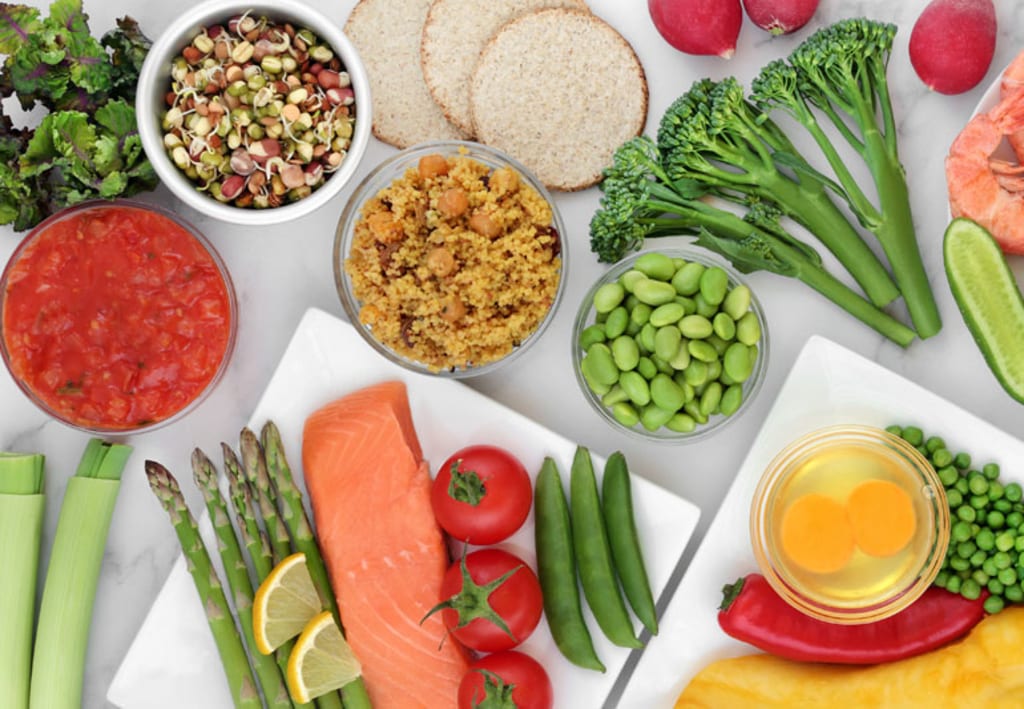
The glycemic index (GI) is a measurement of how quickly carbohydrates elevate blood glucose levels after intake. Carbohydrates, which are found in meals such as grains, fruits, vegetables, and dairy products, are a vital source of energy for the body.
The GI scale runs from 0 to 100, with 100 representing pure glucose. Foods having a high GI value are quickly digested and absorbed, resulting in a rapid and significant increase in blood sugar levels. Foods with a low GI value, on the other hand, are slowly digested and absorbed, resulting in a slower and more gradual rise in blood sugar levels.
Several factors influence a food's GI rating, including the type of carbohydrate, the amount of fiber, the amount of fat and protein, and the way of preparation. Carbohydrates that are more easily broken down, such as those found in white bread or sugar, have a higher GI rating than those that are more complex, such as those found in whole-grain bread or beans.
White bread, bagels, sugary drinks, sweets, and processed snacks all have a high GI rating. These meals have the potential to trigger a quick rise in blood sugar levels, as well as feelings of hunger, weariness, and irritability shortly after intake. They may also increase your chances of acquiring type 2 diabetes, heart disease, and other health issues.
Whole-grain bread, oats, fruits, vegetables, legumes, and nuts are all low-GI foods. These meals digest and absorb more slowly, resulting in a more continuous release of energy and a more stable blood sugar level. They are also frequently high in fiber, vitamins, and minerals, all of which can be beneficial to one's health.
It should be noted that the GI value of food is only one component to consider when making dietary decisions. Other factors, including vitamin composition, portion size, and frequency of consumption, can all affect blood sugar levels and general health. As a result, it is advised to eat a well-balanced diet that contains a variety of foods from all food categories in appropriate portions.
Here are some foods that have low, medium, or high glycemic index values:
Low GI foods (55 or less):
• Whole-grain bread and pasta
• Oatmeal and other whole-grain cereals
• Most fruits, including apples, oranges, and berries
• Non-starchy vegetables, such as broccoli, carrots, and green beans
• Legumes, such as chickpeas, lentils, and kidney beans
• Nuts and seeds, including almonds, peanuts, and chia seeds
Medium GI foods (56-69):
• Brown rice
• Sweet potatoes
• Whole-wheat bread
• Basmati rice
• Couscous
• Quinoa
High GI foods (70 or more):
• White bread and bagels
• Corn flakes and other processed cereals
• White rice
• Sugary drinks, such as soda and sports drinks
• Candy and other sweets
• Baked goods, such as cookies, cakes, and pastries
It's crucial to note that a food's GI rating can vary depending on several things, including how it's cooked or processed. Combining items with varied GI ratings in a single meal can also change how the meal impacts blood sugar levels. As a result, when planning a balanced and nutritious diet, it is advisable to consider general dietary patterns and portion sizes, as well as the GI value of particular items.
About the Creator
Enjoyed the story? Support the Creator.
Subscribe for free to receive all their stories in your feed.
Comments
There are no comments for this story
Be the first to respond and start the conversation.