
Gender Equality: "Why it Matters and How to Achieve it"
The Importance of Gender Equality
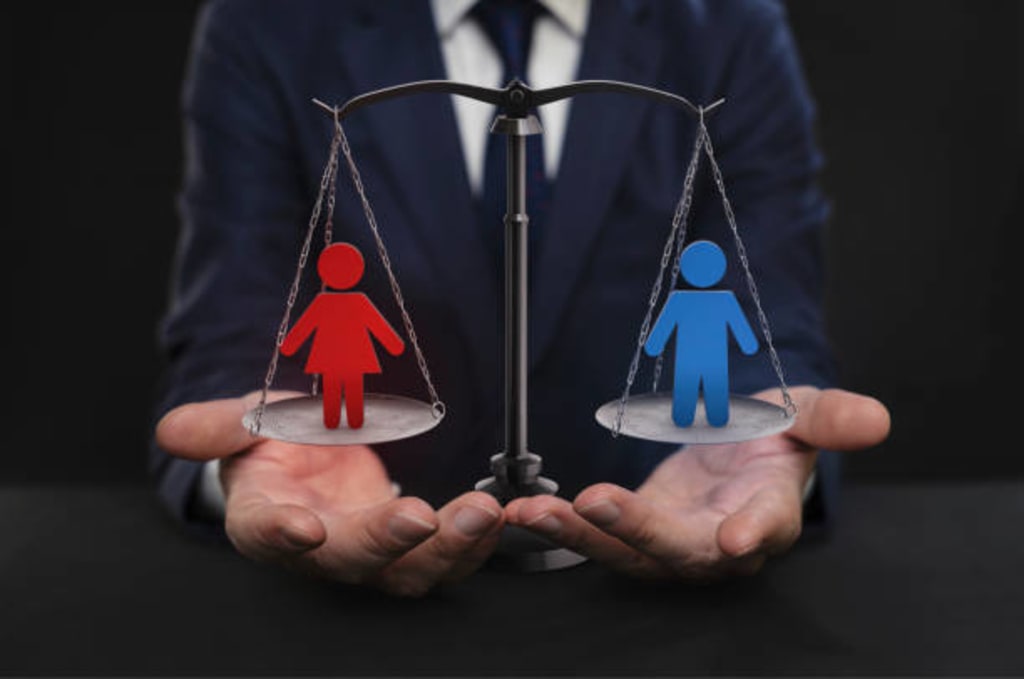
Gender equality, the idea that everyone should have the same rights and opportunities regardless of their gender, is essential for creating a fair and just society. Despite progress in recent decades, gender inequality continues to exist in many forms around the world. In this article, we explore why gender equality matters and how we can work towards achieving it.
The Importance of Gender Equality
Gender equality is not just a matter of basic human rights, but it also has many practical benefits. Here are some reasons why gender equality is important:
Economic Growth: Gender equality can drive economic growth by increasing productivity, reducing poverty, and promoting innovation.
Social Justice: Gender equality promotes social justice by ensuring that all individuals have access to the same opportunities and resources, regardless of their gender.
Political Participation: Gender equality can increase political participation by providing equal opportunities for men and women to participate in decision-making processes.
Challenges to Achieving Gender Equality
Despite the importance of gender equality, there are still many challenges to achieving it. Here are some of the major challenges:l and Social Norms: Cultural and social norms can perpetuate gender stereotypes and discrimination, making it difficult to achieve gender equality.
Lack of Education: Lack of education and awareness about gender equality can lead to a lack of understanding about the importance of gender equality.
Institutional Barriers: Institutional barriers, such as laws and policies that discriminate against women, can make it difficult to achieve gender equality.
Gender-Based Violence: Gender-based violence, including sexual harassment and domestic violence, can limit women's opportunities and perpetuate gender inequality.
Strategies for Achieving Gender Equality
While achieving gender equality is a complex and ongoing process, there are strategies that can help us move towards this goal. Here are some strategies:
Education and Awareness: Education and awareness campaigns can help to change cultural and social norms that perpetuate gender inequality.
Policy and Legal Reforms: Policy and legal reforms can help to eliminate institutional barriers that prevent women from accessing equal opportunities.
Economic Empowerment: Economic empowerment, including providing access to credit and training for women entrepreneurs, can help to reduce poverty and promote gender equality.
Ending Gender-Based Violence: Ending gender-based violence is crucial for achieving gender equality, and this requires strong legal frameworks and support systems for victims.
Social Justice: Gender equality promotes social justice by ensuring that all individuals have access to the same opportunities and resources, regardless of their gender.
Political Participation: Gender equality can increase political participation by providing equal opportunities for men and women to participate in decision-making processes.
Challenges to Achieving Gender Equality
Despite the importance of gender equality, there are still many challenges to achieving it. Here are some of the major challenges:
Cultural and Social Norms: Cultural and social norms can perpetuate gender stereotypes and discrimination, making it difficult to achieve gender equality.
Lack of Education: Lack of education and awareness about gender equality can lead to a lack of understanding about the importance of gender equality.
Institutional Barriers: Institutional barriers, such as laws and policies that discriminate against women, can make it difficult to achieve gender equality.
Gender-Based Violence: Gender-based violence, including sexual harassment and domestic violence, can limit women's opportunities and perpetuate gender inequality.
Strategies for Achieving Gender Equality
While achieving gender equality is a complex and ongoing process, there are strategies that can help us move towards this goal. Here are some strategies:
Education and Awareness: Education and awareness campaigns can help to change cultural and social norms that perpetuate gender inequality.
Policy and Legal Reforms: Policy and legal reforms can help to eliminate institutional barriers that prevent women from accessing equal opportunities.
Economic Empowerment: Economic empowerment, including providing access to credit and training for women entrepreneurs, can help to reduce poverty and promote gender equality.
Ending Gender-Based Violence: Ending gender-based violence is crucial for achieving gender equality, and this requires strong legal frameworks and support systems for victims.
Conclusion
Gender equality is essential for creating a fair and just society that benefits everyone. While there are many challenges to achieving gender equality, there are also strategies that can help us move towards this goal. By promoting education and awareness, implementing policy and legal reforms, promoting economic empowerment, and ending gender-based violence, we can create a more gender-equal world.
About the Creator
Enjoyed the story? Support the Creator.
Subscribe for free to receive all their stories in your feed.
Comments
There are no comments for this story
Be the first to respond and start the conversation.