
Gaming Careers Go Far Beyond the Screen
Young creatives are being challenged to look beyond the game and consider the designers, marketers and other professionals shaping everything around how we play
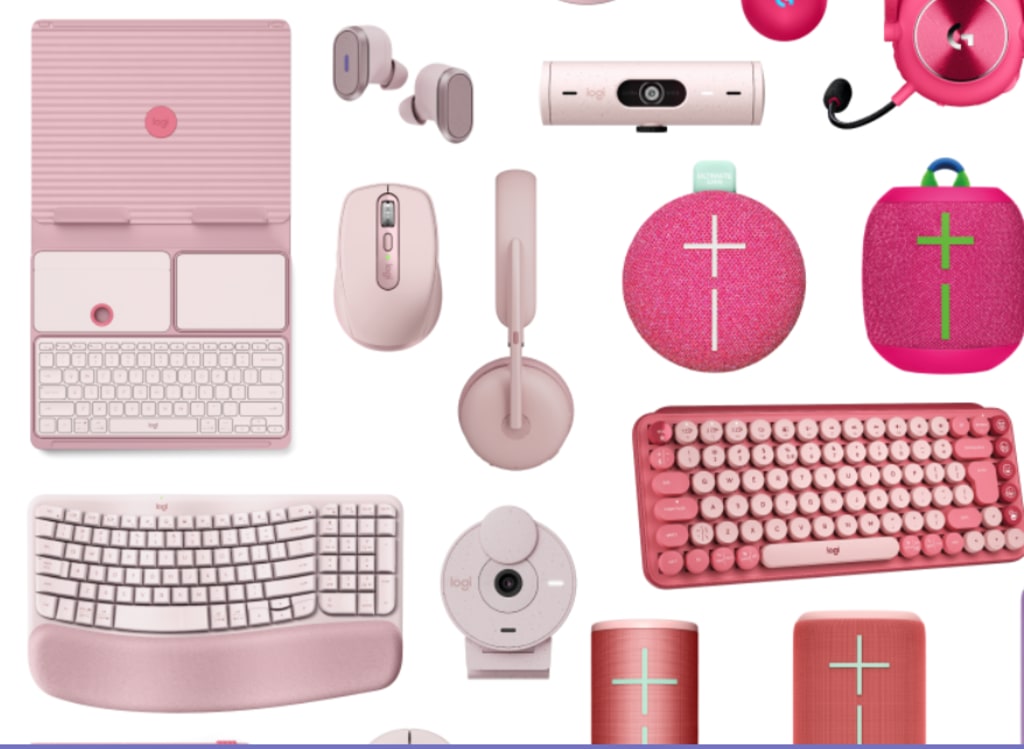
Gaming is easy to recognize when it is happening on a screen, but what is less visible is the enormous creative industry surrounding it.
Someone designed the mouse in a player's hand and selected the materials used in the headset. Someone developed the packaging, created the brand identity and determined how the product would be introduced to consumers. Behind the chairs, keyboards, microphones, racing wheels and other products associated with gaming are professionals whose careers may have very little to do with actually developing a video game.
For young creatives considering where their talents can take them, that larger ecosystem is worth understanding.
The global gaming industry has expanded far beyond consoles and games to influence technology, fashion, entertainment, content creation and consumer culture. As that ecosystem continues to evolve, it creates opportunities for people with skills in design, branding, marketing, materials and product development.
It also challenges young creatives to reconsider what having a career in gaming can mean.
There Is an Industry Around the Game
When people think about careers in gaming, game developers, professional gamers and streamers are often among the first jobs that come to mind. Those careers represent only part of the industry.
Consider the environment surrounding a gamer. The headset has to be comfortable, functional and visually appealing. A keyboard or mouse has to perform well while also reflecting the preferences of the person using it. Packaging has to protect the product while communicating what the brand represents. Marketing has to reach the right consumer with a message that feels relevant rather than forced.
Each of those decisions requires someone with a particular area of expertise.
Industrial designers think about how products look, function and interact with the people using them. Color and material designers influence everything from texture and finishes to the emotional response a product can create. Brand and graphic designers help establish how consumers recognize and experience a company. Packaging designers influence what happens before someone even opens the box, while product marketers help determine how products are positioned, introduced and connected to the people they are designed to serve.
Together, those careers help create the gaming experience even though the people doing the work may never write a line of code for a game.
Bringing the Industry Into the Learning Experience
One initiative putting that broader view of gaming careers into practice is a new collaboration between Pensole Lewis College of Business & Design, known as PLC Detroit, and Logitech.
The two organizations have created an eight-week Industry Certificate Program that gives emerging creatives exposure to five disciplines: Industrial Design, Color & Material Design, Brand Design, Packaging/Graphic Design and Product Marketing.
Rather than asking participants to design a game, the program is built around a Logitech creative brief called Everything But the Game.
The idea is straightforward but relevant to where the industry is heading. Participants are being asked to examine everything surrounding the gaming experience and consider how their individual creative disciplines contribute to it.
Dr. D'Wayne Edwards, president of PLC Detroit, believes understanding that larger ecosystem is important for creatives who may not realize how many career possibilities exist within the industry.
“Gaming is bigger than what happens on a screen,” Edwards said. “There is an entire ecosystem of products, brands and experiences surrounding it.”
That ecosystem creates space for different types of thinkers, particularly as gaming continues to overlap with other areas of culture.
Culture Influences What We Create
Gaming does not exist separately from the rest of our lives.
Music, fashion, technology, sports and social media influence how people communicate and how they express themselves. Those same cultural influences can be seen in the products people choose and the spaces they create around gaming.
For many gamers and content creators, a setup is personal. The colors, lighting, headphones, keyboard, furniture and accessories can become an expression of identity in much the same way that clothing, sneakers or music can say something about a person.
Understanding those consumers requires more than technical knowledge. It requires people who understand culture, communities and how preferences change.
That is one reason exposing emerging creatives to industries before they enter the workforce can be valuable. Students can learn design principles in a classroom, but working through the type of challenges that brands face gives them another layer of understanding.
They begin to see that creating a good product is only part of the process. Professionals also have to understand who the product is for, what problem it solves, how it fits into someone's life and why a consumer should care about it.
The Expectations of Designers Are Changing
Today's emerging creatives are also entering industries where the definition of good design continues to expand.
A product can look great and perform well, but designers are increasingly being asked to think about materials, waste, packaging, accessibility and environmental impact. Product marketers also have to understand how those decisions connect to consumer expectations and the story a company tells about what it creates.
Those considerations make creative careers more complex, but they also create opportunities for a generation that wants its work to have purpose.
The strongest creative professionals will increasingly be those who can see beyond their individual discipline and understand how their decisions affect the larger product and consumer experience.
Finding Your Place in the Industry
Perhaps one of the most important lessons for young creatives is that an industry does not have only one entrance.
Someone interested in gaming does not necessarily have to become a game developer. A student interested in fashion or color could discover a future in color and material design. A graphic designer could help define the visual language of a gaming brand, while someone fascinated by consumer behavior could find a place in product marketing.
The possibilities become easier to see when young people are exposed to the business behind the products they use every day.
That is the larger opportunity programs such as the PLC Detroit and Logitech collaboration can help illuminate. Beyond teaching a specific skill, they can help emerging talent understand how different disciplines work together and where their own creativity might fit.
The next generation of gaming professionals may include people who have never considered themselves gamers at all. They may be designers, marketers, storytellers and creative thinkers who simply needed to see that there was a place for their skills.
Gaming may be what happens on the screen, but an entire industry exists around it. For young creatives deciding where their talents can take them, some of the most interesting possibilities may be found in everything but the game.
About the Creator
Phyllis Caddell
Phyllis Caddell is the founder and lead strategist of PCPR Communications in Los Angeles. She is a bestselling author, ghostwriter, publicist, and communications strategist, guiding clients in enhancing their brand narratives.
Enjoyed the story? Support the Creator.
Subscribe for free to receive all their stories in your feed.
Comments
There are no comments for this story
Be the first to respond and start the conversation.