
Gamification in LMS: Engaging Learners & Boosting Retention
Enhancing Training Outcomes Through Interactive Learning Experiences
In today’s fast-paced corporate environment, engaging employees in training programs is more challenging than ever. Traditional learning management systems (LMS) often struggle to maintain learner motivation and retention. This is where gamification in LMS becomes a game-changer.
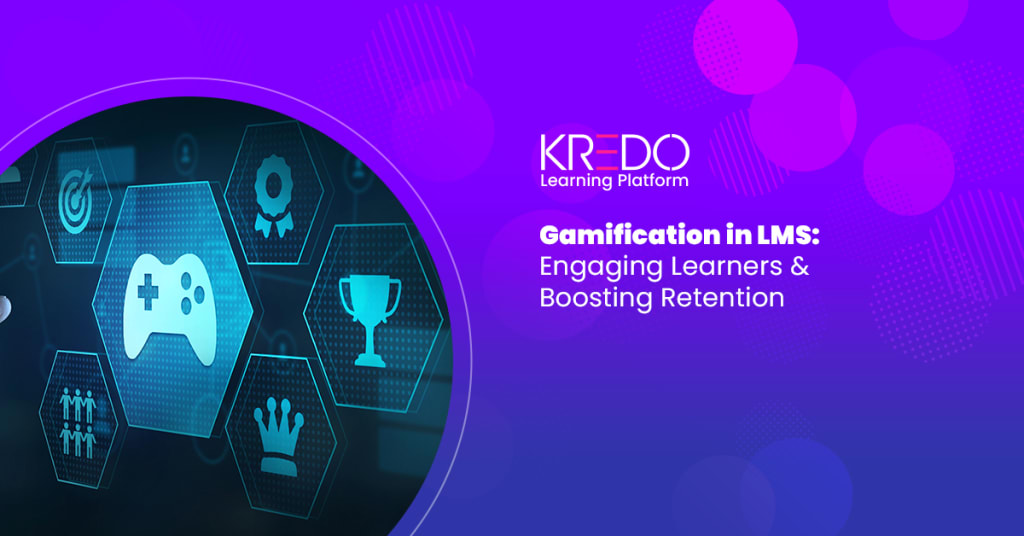
Gamification applies game-like elements to learning experiences, making them more interactive and rewarding. By integrating leaderboards, points, badges, and challenges, companies can significantly enhance LMS learner engagement and knowledge retention. A well-implemented LMS gamification system not only motivates learners but also fosters a culture of continuous learning within an organization.
How Gamification Enhances Learning & Retention
The Psychology Behind Gamification
Gamification taps into fundamental human psychology by leveraging motivation, competition, and achievement. The key psychological principles driving gamification include:
Intrinsic Motivation: Learners engage with content because they find it enjoyable and rewarding.
Extrinsic Motivation: Points, badges, and rewards create a sense of accomplishment and drive participation.
Social Influence: Leaderboards and team-based challenges encourage collaboration and healthy competition.
Role of Game-Based Learning in LMS
Game-based learning enhances engagement by creating immersive experiences. Instead of passively consuming content, learners actively participate in scenarios, simulations, and challenges that mimic real-world tasks. This results in:
- Improved knowledge retention through hands-on experience.
- Higher motivation levels due to goal-oriented progress.
- Increased learner participation in corporate training programs.
Essential LMS Gamification Features
To effectively implement gamification, an LMS should incorporate key game-based elements:
1. Leaderboards
Encourage friendly competition by ranking learners based on performance. This fosters motivation and continuous improvement.
2. Badges & Achievements
Recognize learners’ accomplishments with visual badges that mark milestones. This instills a sense of pride and encourages further learning.
3. Points & Rewards
Assign points for completed tasks and offer redeemable rewards. This incentivizes participation and goal completion.
4. Challenges & Quests
Interactive challenges and scenario-based quests keep learners engaged, promoting problem-solving and critical thinking.
5. Instant Feedback & Progress Tracking
Real-time feedback on performance helps learners stay on track and improves their overall learning experience.
By leveraging these LMS gamification features, organizations can significantly enhance LMS learner engagement and ensure long-term knowledge retention.
Gamification & Custom eLearning Solutions
Role of Custom eLearning in Gamification
While off-the-shelf LMS solutions offer built-in gamification features, custom eLearning solutions allow organizations to tailor game-based elements to their specific needs. This personalization ensures:
- Content aligns with company goals and learner preferences.
- Enhanced interactivity through scenario-based training and simulations.
- Integration of company-specific challenges and rewards.
- SCORM-Compliant Authoring Tools for Game-Based Content
To create interactive gamified content, organizations need SCORM-compliant authoring tools. These tools enable:
- The seamless creation of interactive, game-based learning modules.
- Compatibility with multiple LMS platforms.
- Tracking and reporting of learner progress to optimize training effectiveness.
Popular authoring tools like Articulate Storyline, Adobe Captivate, and Prodient.io support gamified content creation, ensuring a dynamic learning experience.
Choosing the Right LMS for Gamification
When selecting an LMS with gamification features, consider the following:
1. Ease of Integration
Ensure the LMS integrates seamlessly with existing systems and SCORM-compliant authoring tools.
2. Customization & Scalability
A good LMS gamification system should allow organizations to tailor features to their unique training needs and scale as the company grows.
3. Analytics & Reporting
Comprehensive tracking and reporting features help measure learner progress and optimize training strategies.
4. Mobile Compatibility
With remote work on the rise, mobile-friendly gamified learning ensures accessibility anytime, anywhere.
5. User Experience & Engagement
The LMS should offer an intuitive, engaging interface that keeps learners motivated.
By selecting the right LMS, organizations can maximize the benefits of game-based learning in LMS and improve workforce training outcomes.
Conclusion
Gamification is revolutionizing corporate training by making learning more engaging, interactive, and rewarding. From LMS gamification features like leaderboards and badges to custom eLearning solutions powered by SCORM-compliant authoring tools, the right approach to gamified learning can significantly boost learner retention and knowledge application.
To stay ahead in today’s competitive landscape, organizations should invest in a well-integrated LMS gamification system that aligns with their training goals. Ready to elevate your training programs? Explore gamified LMS solutions today and unlock the full potential of gamification in LMS!
About the Creator
KREDO Learning
KREDO is the new generation Learning Platform that provides learning courses that best suits the learners’ needs right for the moment, taking into account the business criticality.
Enjoyed the story? Support the Creator.
Subscribe for free to receive all their stories in your feed.
Comments
There are no comments for this story
Be the first to respond and start the conversation.