
Gamification in Learning: Making Education Fun and Engaging
Why Gamification Works for Today’s Learners

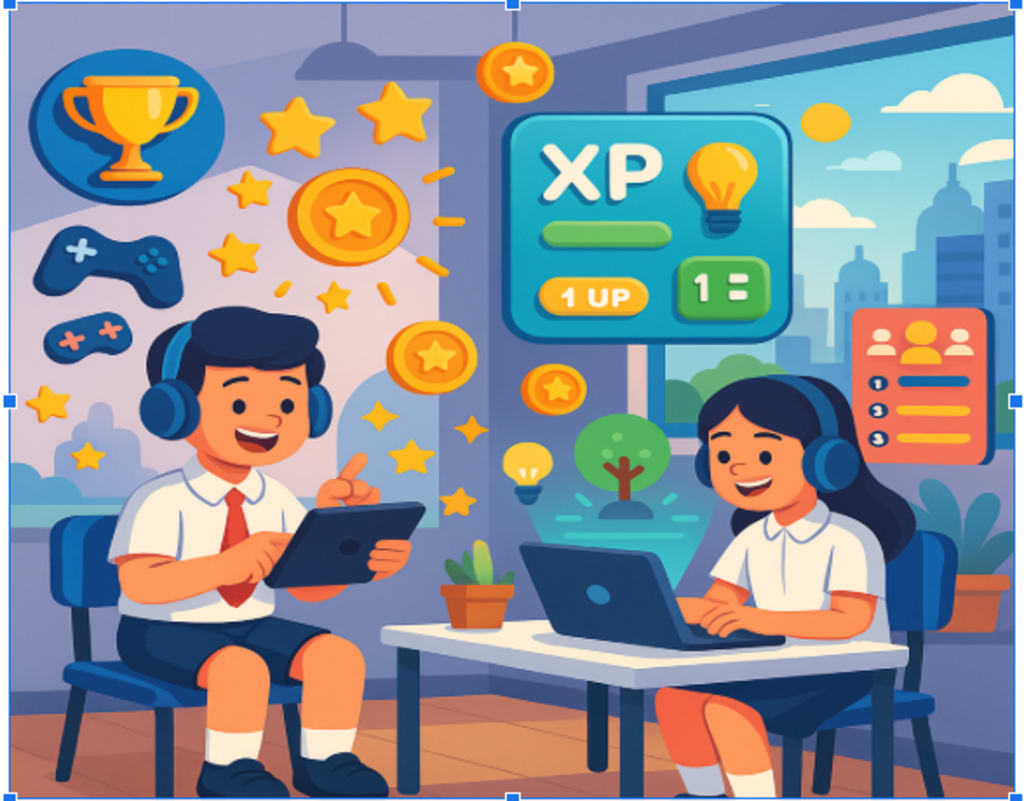
In today’s fast-evolving educational landscape, the traditional chalk-and-talk methods are being reimagined through innovation and technology. One such transformative approach is gamification in learning, which is redefining how students engage with academic content. At Dr. Kishore’s Ratnam Schools, known for providing quality education and being recognized as the best schools in Nellore, we believe that learning should not only be informative but also enjoyable, interactive, and meaningful.
What is Gamification in Education?
Gamification refers to the integration of game elements—such as points, levels, rewards, challenges, and leaderboards—into non-game environments like classrooms. The objective is to make learning more fun, engaging, and motivating for students of all ages.
This method doesn’t turn the classroom into a game, but it utilizes the principles of gameplay to enhance focus, participation, and retention. At Dr. Kishore’s Ratnam Schools, we blend gamification with effective teaching practices to spark curiosity and encourage active involvement in learning.
Why Gamification Works
Children today are digital natives. They are naturally drawn to interactive and tech-driven experiences. Gamification taps into their intrinsic motivation, creating a fun and happy environment where students don’t just learn—they look forward to learning.
Here’s how gamification positively impacts the learning process:
- Enhances Motivation : Rewards and progress tracking give students tangible goals and a sense of accomplishment.
- Encourages Participation : Even shy or less confident students become more involved through game-based tasks and challenges.
- Boosts Retention : Learning becomes memorable when it’s tied to interactive experiences.
- Promotes Problem-Solving : Many game-based learning activities involve critical thinking, collaboration, and decision-making.
Gamification in Action at Dr. Kishore’s Ratnam Schools
As a school that aligns with the best practices of national and international syllabuses, we integrate gamification through:
- Digital learning platforms such as interactive quizzes, simulation games, and coding exercises
- Point-based rewards for academic milestones, behavior, and participation.
- Story-driven learning modules where students become characters solving real-world problems.
- Leaderboard systems that inspire healthy competition and self-improvement.
These elements are woven into our curriculum to foster a supportive learning environment where each student is empowered to grow at their own pace.
Blending Gamification with Values and Life Skills
Education is not just about academics—it’s about shaping responsible, ethical individuals. At Dr. Kishore’s Ratnam Schools, we integrate value-based activities into gamified learning modules. For instance:
- Environmental education through role-playing games where students “rescue” nature by completing eco-friendly missions.
- Leadership development via interactive tasks that simulate real-life decision-making scenarios.
- Team-building games that promote empathy, cooperation, and respect.
This approach ensures that students don’t just become smarter—they become better human beings.
Creating a Fun and Happy Learning Environment
Gamification naturally creates a fun and happy environment, reducing stress and pressure commonly associated with exams and traditional assessments. It encourages students to make mistakes, try again, and learn from failures—key aspects of a growth mindset.
We also ensure that the games and activities used are age-appropriate, inclusive, and aligned with academic goals, so every child feels involved and valued.
Preparing Students for a Competitive Future
Incorporating gamification is not just about fun—it’s a strategy aligned with quality education that prepares students for the future. Many competitive exams and real-world challenges require logical reasoning, quick thinking, and resilience—all skills developed through game-based learning.
By adopting effective teaching practices combined with the best practices of national and international syllabuses, we are nurturing well-rounded individuals who are prepared not just to succeed in school, but in life.
Why Dr. Kishore’s Ratnam Schools Lead in Innovation
We are proud to be considered the best schools in Nellore not just because of our academic achievements, but because of our forward-thinking approach to education. Our focus on student-centric learning, innovation, and holistic development makes us a model for schools of the future.
Gamification is just one of the many modern tools we use to create a supportive learning environment. Our teachers are trained in the latest pedagogical methods and are continually upskilled to incorporate digital tools, educational games, and interactive activities into daily lessons.
Conclusion
In a world where attention spans are shrinking and learning needs to be more adaptive, gamification in education offers a powerful way to keep students engaged, motivated, and joyful. At Dr. Kishore’s Ratnam Schools, we are committed to making learning an exciting journey—one that balances knowledge with values, discipline with creativity, and tradition with innovation.
By merging the power of gamification with our commitment to quality education, value-based activities, and a fun and happy environment, we continue to set the benchmark as the best schools in Tirupati and Nellore.
About the Creator
Dr. Kishore's Ratnam School
Dr. Kishore’s Ratnam Schools are one of the best schools in Andhra Pradesh & are known for their focus on developing students’ cognitive thinking, analytical thinking, and problem-solving skills.
Enjoyed the story? Support the Creator.
Subscribe for free to receive all their stories in your feed.
Comments
There are no comments for this story
Be the first to respond and start the conversation.