
Full Stack App Release Checklist You Need to Follow
Pre Launch Checklist for Full Stack App Release

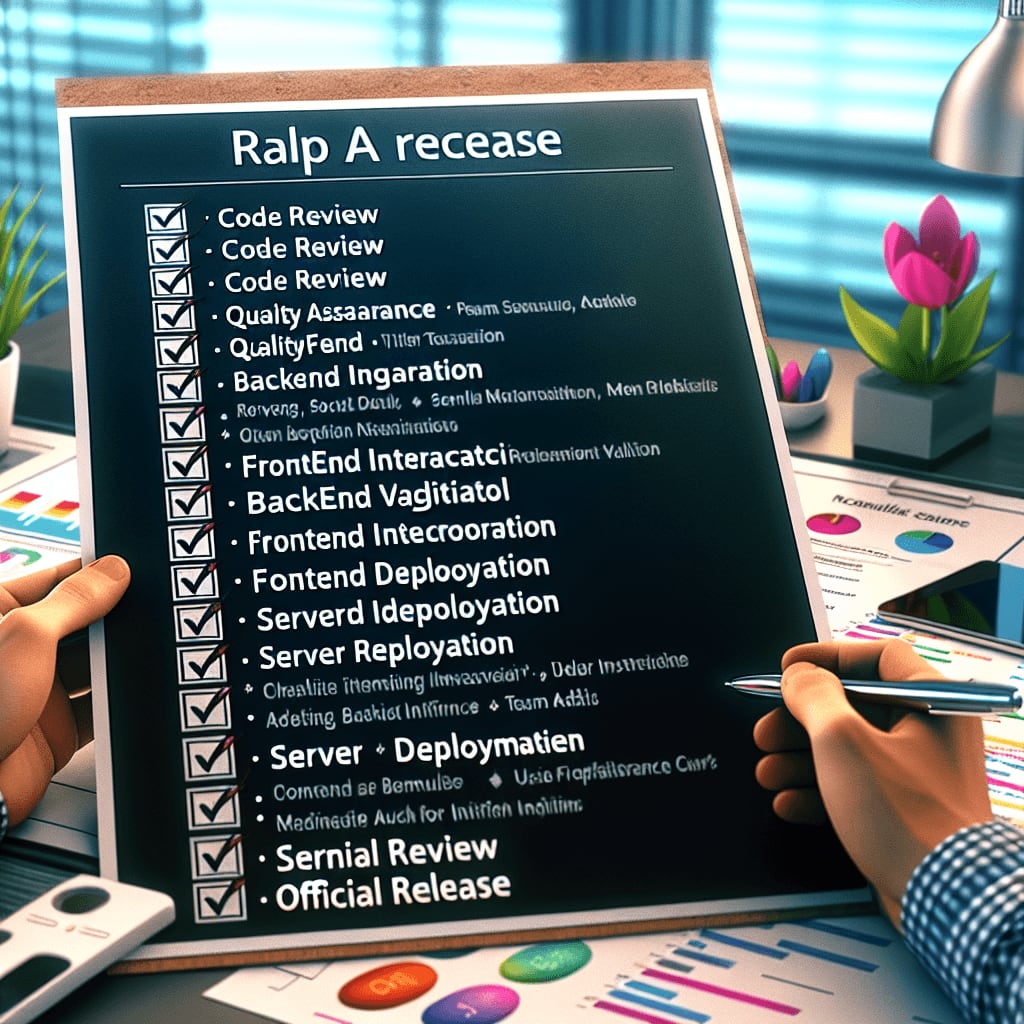
Releasing a full stack app brings excitement but also challenges. To ensure your app is prepared for users, having a comprehensive checklist is necessary. This list allows you to monitor all aspects, from testing to deployment, ensuring nothing significant is overlooked. Adhering to this guide can streamline your release process and enhance your app's success. Let’s examine each step of the checklist you should follow.
Importance of a Release Checklist
A release checklist assists developers in confirming that all components of a full stack application are ready for deployment. It includes testing, code quality, and security checks to ensure proper functionality. Following the checklist allows development teams to reduce errors and address vulnerabilities that may emerge in the production environment. For instance, thorough integration tests verify that the backend architecture aligns with the web app’s user experience.
Documentation within the checklist supports compliance needs, ensuring that user data and confidentiality are protected. It also encourages validation of authentication and authorization features, enhancing overall security. Monitoring updates can be included, enabling teams to assess user feedback and adapt swiftly. Employing continuous integration tools like Docker can enhance code coverage through automated code reviews, which are important for maintaining dependencies.
With these best practices, the chances of encountering issues in software delivery are lowered, leading to a more reliable product and a smoother deployment process.
Overview of Full Stack Development
A full stack developer ensures that an application meets its requirements throughout the software development process. This includes conducting security checks to protect user data and address vulnerabilities before deployment. Developers integrate both front-end and back-end technologies, ensuring the application’s functionality, user experience, and security are optimized.
They need skills in backend architecture and adopt practices like continuous integration (CI/CD) to automate testing and deployment. Tools like Docker may be employed for creating consistent production environments. To maintain code quality, development teams conduct code reviews and include documentation detailing all components. Monitoring tools help track performance, while logging assists in identifying issues. Updates driven by user feedback can enhance the overall experience while keeping compliance needs in mind.
Furthermore, developers must validate authentication and authorization processes and ensure that dependencies are managed effectively. Best practices such as maintaining code coverage contribute to reducing errors, resulting in more reliable software delivery.
Essential App Release Checklist by Industry
A release checklist for a full stack application must address compliance needs, especially in healthcare, where ensuring confidentiality and security of user data is important. This includes validation of patient information handling and adherence to regulatory requirements. In e-commerce, the checklist emphasizes payment security, ensuring robust authentication and authorization processes to protect user data and comply with industry standards.
Additional security checks and measures to reducevulnerabilities are necessary to maintain a strong security stance. For gaming applications, the checklist should focus on optimizing functionality and user experience by verifying backend architecture and ensuring efficient integration. Performance testing, monitoring, and logging are important for detecting potential issues early. Code quality assessments and thorough code reviews are important for maintaining best practices.
Development teams also need to ensure comprehensive documentation and continuous integration through CI/CD pipelines, including Docker for the deployment process. Addressing these areas helps ensure successful software delivery in the production environment, allowing for timely updates based on user feedback while maintaining high code coverage.
Core Elements of Full Stack Development
Front-end Development
Front-end development employs languages such as HTML, CSS, and JavaScript, alongside frameworks for building web applications. These technologies assist in structuring layouts, styling content, and incorporating interactivity, which influences user experience and engagement within an application. A well-executed front end ensures users can navigate the app with ease, enhancing enjoyment and effectiveness.
Adopting best practices, such as regular testing and a comprehensive release checklist, guarantees functionality and code quality. Developers should embrace CI/CD practices for consistent integration and deployments, and leverage tools like Docker for managing dependencies. Conducting security checks is also essential; validating user authentication and authorization safeguards user data and meets compliance requirements. Code review processes should evaluate documentation and code coverage, helping minimize errors and strengthen application security.
Establishing logging and monitoring in the production environment is important for effectively tracking metrics and user feedback. Focusing on these elements enables development teams to uphold high standards and swiftly address vulnerabilities and updates.
Back-end Development
Back-end development involves selecting programming languages and frameworks that support robust backend architecture. These decisions shape the project's direction, influencing the web app's update and scaling potential. Development teams emphasize code quality through practices like code reviews and continuous integration. To enhance scalability and performance, they often adopt testing and monitoring strategies that assess functionality and user experience.
Techniques such as CI/CD and Docker enable teams to achieve optimized deployments that can accommodate increased user traffic. Database management includes safeguarding user data by enforcing strong authentication and authorization protocols while routinely conducting security assessments to identify vulnerabilities. Documentation plays a significant role in tracking dependencies and compliance requirements, facilitating effective updates.
Validation processes are established to uphold the application's security stance, ensuringconfidentiality. Logging assists in detecting potential problems, while user feedback informs functionality enhancements. Regular updates contribute to maintaining code coverage, which minimizes errors and reinforces the overall software delivery process.
Cloud Infrastructure
When selecting cloud infrastructure for a full stack application, developers consider how it affects scalability and performance. A well-chosen setup allows for smooth performance as more users access the web app, directly improving user experience. Deployment processes, such as CI/CD, benefit from this choice, ensuring that updates and code coverage remain efficient.
Developers must prioritize security when using cloud services, focusing on authentication, authorization, and security checks toprotect user data and ensure compliance with confidentiality regulations. Implementing logging and monitoring practices helps detect vulnerabilities promptly. The choice of cloud service model can influence the release checklist significantly. For instance, IaaS offers flexibility in backend architecture, while PaaS simplifies integrations and reduces errors, making it easier for development teams to manage dependencies.
SaaS may minimize the need for extensive documentation but still requires validation and code review to maintain functionality. Following best practices ensures that software delivery meets compliance needs and addresses user feedback effectively, ultimately enhancing the application's overall reliability in the production environment.
Version Control Systems
Version control systems manage changes to code in full stack development by allowing teams to track modifications, test functionalities, and validate updates. This process supports testing before deployment, ensuring the web app meets quality standards. These systems enhance collaboration among development teams by enabling multiple members to work on the same project simultaneously without overwriting each other’s work.
They also provide code review capabilities, which help maintain code quality and security checks, reducing errors.
Notable features include integration with continuous integration/deployment (CI/CD) tools, which streamline software delivery and improve monitoring in the production environment. They manage dependencies and assist with logging, ensure compliance needs, and maintain a strong security posture by addressing vulnerabilities related to authentication and authorization. This organized method helps in maintaining user data confidentiality while gathering user feedback for future improvements. Best practices are enforced through code coverage assessments and thorough documentation, ensuring that updates enhance both functionality and user experience in the backend architecture.
DevOps Skills
Proficiency in various technical tools and platforms is important for anyone with DevOps skills. These include understanding Docker for containerization, monitoring tools for tracking application performance, and CI/CD for automation in development and deployment. For a full stack application, effective testing, code review, and validating code quality ensure functionality across the frontend and backend architecture.
This process enhances user experience while managing user data confidentiality through security checks.
Additionally, familiarity with logging and managing dependencies can aid in identifying vulnerabilities, thereby strengthening overall security. Strong collaboration and communication among development teams are important, as they facilitate the sharing of user feedback, ensuring compliance needs are met, and keeping everyone aligned during software delivery and updates. Following best practices for documentation helps streamline the release checklist, making it easier to address issues in the production environment while reducing errors and maintaining code coverage through permission systems like authentication and authorization.
Full Stack Frameworks
Full stack frameworks offer numerous benefits when developing applications, particularly in testing, deployment, and maintaining a thorough release checklist. They enhance integration between front-end and back-end, enabling development teams to collaborate closely, which boosts user experience and code quality. This teamwork results in improved functionality and security, as all components adhere to compliance requirements and authorization protocols.
Implementing practices such as continuous integration and delivery (CI/CD) streamlines the software delivery process, with tools like Docker aiding in dependency management and ensuring a clean production environment. Code review and automated testing increase code coverage and minimize errors before updates are deployed. Conducting security checks during development ensures proper management of user data and confidentiality, while logging and monitoring in production assist in swiftly identifying vulnerabilities.
Documentation is crucial in supporting these processes, allowing user feedback to guide further enhancements. By adopting best practices, teams can effectively manage backend architecture and deliver a comprehensive web app that meets user needs.
Full Stack App Release Checklist
1. Code Review
During the code review process, teams should focus on criteria like code quality, readability, and functionality. This includes checking for proper validation and ensuring that the backend architecture supports the web app’s needs. Team members can provide constructive feedback by highlighting issues while also praising good practices, which helps maintain a positive dynamic.
A clear approach involves discussing user experience and security measures like authentication and authorization during the review. To address identified issues, teams should follow best practices such as comprehensive documentation, security checks for vulnerabilities, and ensuring compliance with standards. Applying tools for monitoring, dependency management, and logging can further aid this process. Full stack applications also benefit from testing code coverage and integrating updates into their CI/CD pipelines.
Keeping user data confidential while maintaining a strong security posture is important in the production environment. Following these protocols enhances the quality of the software delivery and boosts team collaboration, leading to better user feedback and a more seamless deployment.
2. Testing
Testing a full stack application involves multiple approaches to ensure functionality, performance, and security. Unit testing checks individual parts of the code, while integration testing evaluates how those parts work together. Automated testing can enhance accuracy through continuous integration (CI/CD) practices, where development teams use tools like Docker to streamline testing processes and monitor code quality. This integration reduces errors and improves user experience.
To evaluate testing success, teams should assess code coverage, validation of user feedback, and compliance with security and confidentiality standards. Security checks, including vulnerability assessments and evaluating the security posture, are significant to protect user data. Documentation of testing procedures and results supports future updates and compliance needs. Logging changes and addressing dependencies must also be part of the release checklist.
Only when all functionality, backend architecture,and user authentication processes meet the established criteria should the application move to the production environment for deployment.
3. Performance Optimization
Performance optimization in a full stack application involves several steps. Development teams can measure and analyze application performance through thorough testing, including load testing and performance benchmarks. CI/CD practices ensure continuous integration, allowing the team to monitor code quality and functionality throughout the development process. Optimizing backend architecture aids in better scalability and responsiveness, helping to handle increased user traffic effectively.
Security checks, such as validating user authentication and authorization processes, are important for maintaining the application’s security posture. Tools like Docker can assist in managing dependencies efficiently. To identify and resolve performance issues, logging tools and monitoring services are important for tracking application behavior in the production environment. Employing best practices, like conducting code reviews and ensuring code coverage, helps reduce errors before deployment.
Additionally, incorporating user feedback post-release can lead to ongoing updates that enhance user experience and address any vulnerabilities. Proper documentation ensures compliance needs are met, while strong security measures protect user data and confidentiality.
4. Security Checks
During security checks for a full stack application, development teams should assess specific vulnerabilities such as authentication flaws, authorization issues, and potential data breaches. These checks help ensure the confidentiality of user data and maintain a strong security posture.
It's important to prioritize security issues based on their severity and potential impact on the production environment, focusing first on vulnerabilities that could lead to significant data loss or compromise user experience. Best practices suggest using tools that can automate security testing and integrate with a CI/CD pipeline, such as Docker for container security or libraries that assist with code coverage. Regular code reviews and comprehensive documentation help reduce errors and enhance understanding of vulnerabilities within the backend architecture.
Additionally, employing logging and monitoring techniques after deployment aids in identifying issues in real-time. Gathering user feedback and ensuring compliance with established standards during the release checklist help maintain overall software quality and security throughout the software delivery process.
5. Deployment Preparation
To ensure the deployment environment is correctly configured before launching a full stack application, testing must be thorough. Development teams should check code quality through code reviews and ensure all functionalities work as intended. Security checks to assess vulnerabilities are important for protecting user data and meeting compliance needs. Continuous integration (CI/CD) practices should include docker containers, allowing easy updates and consistent environments.
Verifying that allnecessary dependencies and third-party services are integrated involves monitoring the integration process, checking code coverage, and validating functionality through automated tests. To ensure a smooth rollback process, best practices suggest creating detailed documentation on the deployment steps and setting up logging to track any issues. This way, if a problem arises, teams can quickly refer to the documentation and restore the previous version without losing user experience.
Additionally, implementing strategies for managing authentication and authorization helps maintain a secure posture while addressing user feedback during the rollout process. Always consider compliance to protect confidentiality and ensure safe software delivery.
6. Documentation
Documentation should contain a release checklist, guidelines for testing, deployment steps, and best practices for maintaining the full stack application. Developers require clear instructions on the backend architecture, code quality, and security checks like authentication and authorization. This helps future teams understand the software delivery process and manage updates while monitoring vulnerabilities.
By maintaining comprehensive documentation, development teams improve the user experience and ensure compliance with regulatory standards, supporting confidentiality and user data security. Integrating documentation into the continuous integration and continuous deployment (CI/CD) workflow simplifies the process, making it easier to validate functionality and reduce errors. This should include logging practices to track changes and dependencies, assisting teams in responding to user feedback and enhancing the security of the production environment.
Additionally, thorough documentation aids in code review processes, boosting overall code coverage and making application scaling more manageable for future updates.
7. Monitoring and Logging
Monitoring and logging are important for ensuring a full stack application runs smoothly. They assist in tracking information such as server performance, user activity, and security checks. Development teams should keep an eye on metrics like response times, error rates, and user feedback to gauge the web app's performance. This data can reveal issues with code quality or backend architecture, allowing teams to identify vulnerabilities.
By consistently reviewing logs, they can catch problems early and address them quickly, minimizing errors post-deployment. Continuous integration and deployment (CI/CD) processes enhance tracking by automating code checks and updates. Security monitoring is also important to safeguard user data and comply with confidentiality requirements. Documenting all of this aids in future testing and validation. Tools like Docker can simplify monitoring dependencies, while following best practices in logging helps maintain strong security measures.
8. Post-Deployment Checks
During post-deployment checks, development teams should review specific metrics that include error rates, response times, and user engagement levels. They should also analyze logs from the application to identify any issues with performance or security, focusing on the backend architecture and authentication processes. Monitoring user feedback helps to detect functionality problems and improve the user experience.
If negative feedback is received, teams should quickly assess the issues, prioritize them, and plan for necessary updates. Remediation procedures should be clearly defined, involving code reviews for any issues found during testing and ensuring that all security checks are completed to address vulnerabilities.
Additionally, maintaining compliance with confidentiality standards is important, so regular updates to documentation and logging practices should be implemented. Following best practices in CI/CD can help ensure successful software delivery and provide a stable production environment. Continuous integration with tools like Docker and code coverage reports also supports reducing errors and maintaining a strong security posture.
Critical Release Considerations for Full Stack Applications
Deployment of a full stack application requires careful attention to code quality, functionality, and security. Development teams should follow a release checklist that includes thorough testing, code review, and validation to catch issues early. Integrating continuous integration/continuous deployment (CI/CD) practices streamlines updates and reduces errors by ensuring code coverage. Security checks must focus on potential vulnerabilities, protecting user data and maintaining confidentiality.
Proper documentation of backend architecture and dependencies ensures compliance with regulatory needs. Team communication is also important; sharing user feedback helps identify areas for improvement.
Additionally, tools like Docker can simplify deployment processes, allowing for better monitoring in the production environment. By logging activities, development teams can track performance and make informed decisions to enhance user experience. Balancing security posture with optimal functionality leads to a more robust and reliable web app that meets user expectations.
Conclusion
A thorough app release checklist is necessary for ensuring a smooth deployment of a full stack application. It includes comprehensive testing to validate functionality and user experience, focusing on code quality through code reviews and code coverage. Development teams should prioritize security checks to address vulnerabilities and maintain a strong security posture, especially concerning user data and compliance needs.
By integrating best practices for authentication and authorization, the application is better prepared for production. Continuous integration and delivery (CI/CD) processes, along with the use of Docker for containerization, can streamline this flow. Effective documentation and logging of dependencies help in managing updates and future releases. Feedback from users can guide improvements, and maintaining a focus on compliance ensures confidentiality.
Insights from creating and following a detailed checklist can influence future practices by promoting a culture of thoroughness, reducing errors, and enhancing the overall software delivery process. This reinforces the importance of integrating testing, monitoring, and feedback loops in future app releases.
Frequently Asked Questions
What is a Full Stack App Release Checklist?
A Full Stack App Release Checklist should include several components to ensure a successful launch. This checklist covers testing for functionality, code quality, and user experience while ensuring that logging and monitoring systems are in place. Development teams should validate the backend architecture and security posture by conducting security checks, addressing any vulnerabilities, and ensuring compliance with standards.
It is also important to review dependencies and maintain a CI/CD process for continuous integration.
Additionally, documentation must outline the deployment steps and how to troubleshoot issues in the production environment. By following this checklist, teams can improve software delivery and reduce errors, leading to higher overall product quality. Common pitfalls, such as neglecting user feedback or failing to check updates, can be avoided. Furthermore, checks for authentication and authorization ensure confidentiality and security of user data. Adhering to best practices on code coverage and integration enhances the reliability of the web app, allowing it to perform better in production.
Why is a Full Stack Checklist Essential?
A full stack checklist enhances the development process's efficiency and effectiveness by ensuring that all aspects of the web app are addressed, from testing through deployment. It enables development teams to track code quality and functionality, which encompasses performing code reviews and validating the backend architecture. Implementing Docker with a CI/CD pipeline allows for continuous integration, minimizing errors during software delivery.
A thorough checklist helps reduce risks by incorporating security checks for vulnerabilities and compliance requirements, protecting user data and ensuring confidentiality. Monitoring and logging are integral to this process, guaranteeing that all updates are documented and any issues can be traced and resolved swiftly.
Additionally, it keeps front-end and back-end development teams aligned by fostering clear communication, facilitating better integration. Gathering user feedback leads to enhancing user experience, ensuring that both authentication and authorization processes operate smoothly while adhering to compliance standards. By adhering to best practices, the checklist promotes a strong security posture, ensuring that all dependencies are secure and well-managed in the production environment.
What Are the Key Components Typically Included?
A full stack app release checklist typically includes elements such as testing, deployment, and code review. These parts help ensure code quality and functionality before reaching the production environment. Development teams focus on security checks and documentation to protect user data and maintain confidentiality. They validate the application through user feedback and code coverage to reduce errors and improve the user experience.
Addressing vulnerabilities strengthens security, while compliance needs guide best practices during the release process. Continuous integration (ci/cd) practices, like using Docker, streamline software delivery and fresh updates. Monitoring and logging provide insight into backend architecture and app performance, helping teams quickly address issues. Different industries may emphasize elements like authentication and authorization based on specific compliance requirements and user expectations.
By integrating these components, organizations can enhanceoverall software security and ensure a smoother launch for their web apps.
What should be included in a full stack app release checklist?
Include code review completion, unit and integration tests verification, staging environment testing, documentation updates, versioning, deployment scripts readiness, backup procedures, and monitoring setup. For example, ensure database migrations are tested and rollback procedures are defined.
How can I ensure my front-end and back-end are properly integrated before release?
To ensure proper integration, conduct thorough API testing using tools like Postman and automate frontend-backend communication checks with Cypress. Set up continuous integration to run integration tests on every commit, and perform end-to-end testing in a staging environment to catch discrepancies before release.
What testing procedures are essential before launching a full stack application?
Essential testing procedures include unit testing for individual components, integration testing for interactions, functional testing for overall behavior, and user acceptance testing (UAT) for real user feedback. Tools like Jest for unit tests and Selenium for automation can enhance the process.
How do I manage database migrations and backups during the release process?
Use a version control system for migration scripts and automate backups before deployment, e.g., with tools like Liquibase or Flyway. Schedule backups of the database using cron jobs or database management tools. Test migrations on a staging environment first to ensure smooth transitions.
What steps should I take to monitor and address post-release issues in my full stack application?
Set up application performance monitoring (APM) tools like New Relic. Implement logging frameworks such as Winston or Log4j. Conduct regular user feedback sessions to identify UX issues, and use analytics tools like Google Analytics to track user behavior. Schedule routine code reviews to catch potential bugs early.
About the Creator
Deeporion Technology
Deeporion Technology is a dynamic web and software development company dedicated to providing innovative solutions tailored to meet the unique needs of businesses across various industries.
Enjoyed the story? Support the Creator.
Subscribe for free to receive all their stories in your feed.
Comments
There are no comments for this story
Be the first to respond and start the conversation.