
From Blueprints to Skylines: The Wide Reach of General Contracting
Residential Builds and Renovations
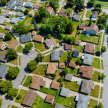

General contracting is a profession defined by its range. Contractors oversee everything from simple home renovations to massive city-shaping developments. At its heart, the role requires careful coordination, strong leadership, and managing diverse teams and budgets. This flexibility allows general contractors to operate across multiple industries while ensuring quality and safety at every step.
What makes general contracting unique is its adaptability. Contractors may be working closely with homeowners on a personalized renovation one day and managing engineers and architects on a multimillion-dollar project the next. This ability to navigate small and monumental projects demonstrates their critical role in construction.
Residential Builds and Renovations
Residential construction forms the foundation of general contracting. Projects range from custom-built homes to minor remodels like updating kitchens or adding new rooms. While the scale may be modest, residential work demands meticulous attention to detail and close communication with clients to bring their vision to life.
These projects also require navigating building codes, managing tight budgets, and balancing timelines with homeowners' unique expectations. For many contractors, success in residential projects builds a reputation for trustworthiness and creates opportunities for steady referrals.
Commercial Projects and Business Spaces
Commercial construction introduces greater complexity and larger budgets. These projects include office towers, shopping centres, restaurants, and entertainment venues. Beyond functionality, commercial spaces must align with the brand identity and practical needs of the businesses they serve.
Time is often critical in commercial projects, as delays can directly affect business operations and revenue. Contractors in this space must excel at scheduling, resource management, and problem-solving to deliver high-quality projects on time and within budget. Strong performance in commercial builds often leads to repeat business from corporate clients.
Infrastructure and Public Works
General contractors manage some of the most ambitious projects in infrastructure and public works. Highways, airports, water treatment facilities, and bridges all demand extraordinary levels of planning and coordination. These projects serve immediate needs and shape the development of entire communities.
Government oversight, environmental considerations, and public safety standards complicate these undertakings. While challenging, successful infrastructure projects often represent a contractor’s most impactful work, leaving a legacy that benefits generations.
Industrial and Technical Construction
Industrial projects—such as plants, warehouses, and energy facilities—require a different skill set. These builds must meet strict industry standards while accommodating specialized equipment and technology. General contractors in this space must collaborate closely with engineers to ensure functionality, compliance, and safety.
These projects often involve custom designs and complex logistical requirements. By handling such highly specialized builds, contractors showcase their ability to adapt and deliver solutions beyond traditional construction. The technical precision required sets industrial projects apart as some of the most demanding in the field.
Managing Both Small and Large-Scale Projects
Balancing the demands of small and large projects is a constant challenge in general contracting. Smaller jobs may seem more straightforward, but often require significant client interaction and careful budget management. Large-scale developments, meanwhile, demand long-term planning, broader teams, and more rigorous financial oversight.
Successfully managing both types of projects demonstrates a contractor’s versatility. This balance keeps workflows steady and ensures growth and resilience in an unpredictable market. Contractors operating across scales strengthen their reputation as adaptable and reliable leaders.
The Future Landscape of General Contracting
The construction industry is evolving, and general contractors must evolve with it. Emerging technologies such as Building Information Modelling (BIM), drones, and cloud-based project management tools are making planning and executing projects of every size easier. At the same time, sustainable building practices are becoming increasingly important, reshaping how contractors approach materials and design.
The demand for diverse construction will only grow, from affordable housing to large-scale infrastructure upgrades. Contractors who embrace innovation and adapt to new industry trends will thrive, continuing to bridge the gap between small builds and mega projects.
About the Creator
Perry Greene
Perry Greene is the President of Taylor Commercial, leading major Southeastern projects, growing revenues to over $ 45 million, and supporting communities through service, mentorship, and family values.
Portfolio: http://perry-greene.com/
Enjoyed the story? Support the Creator.
Subscribe for free to receive all their stories in your feed.
Comments
There are no comments for this story
Be the first to respond and start the conversation.