
From Academics to Arts: Exploring Co-Curricular Activities in School
From Academics to Arts: Exploring Co-Curricular Activities in School
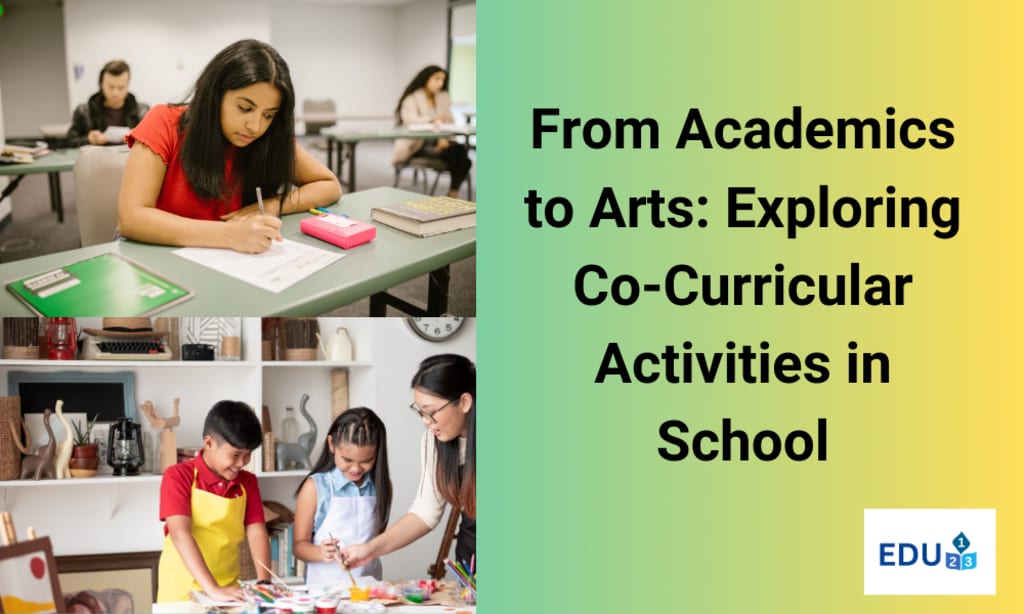
Did you know that some of the most successful leaders in the world credit their childhood activities for shaping their confidence and leadership skills? Academic excellence is vital, but the journey of education goes far beyond textbooks and exams.
Co-curricular activities in school play a crucial role in nurturing creativity, building character, and equipping students with skills essential for personal and professional growth.
For parents and students, understanding the profound impact of these activities is the first step toward embracing a well-rounded education.
What Are Co-Curricular Activities in School?
Co-curricular activities are structured programs that complement academic learning. These activities range from arts, music, and sports to debates, coding, drama, robotics, and environmental clubs.
Integrated into the school curriculum, they aim to develop a student’s emotional, social, and intellectual abilities, bridging the gap between theory and practical application.
Schools emphasize co-curricular activities not just as recreational outlets but as avenues for developing essential life skills.
Through these programs, students discover their passions, build resilience, and learn to balance responsibilities effectively.
Why Are Co-Curricular Activities Important?
The benefits of co-curricular activities in school extend far beyond the classroom. These activities shape students into confident, empathetic, and competent individuals prepared for life’s challenges.
1. Boosting Confidence
Performing on stage, competing in sports, or speaking in debates pushes students out of their comfort zones. Every small achievement, whether winning a medal or completing a group project, builds self-esteem and encourages them to take on bigger challenges.
2. Fostering Creativity
Co-curricular activities like art, music, and drama ignite creativity. These outlets allow students to express themselves, think critically, and approach problems from innovative perspectives—qualities highly valued in today’s job market.
3. Developing Leadership Skills
Leadership roles in clubs, sports teams, or school councils teach students how to manage responsibilities, lead by example, and work toward common goals. Such experiences prepare them for leadership positions in the future.
4. Encouraging Teamwork and Collaboration
Group activities like sports, theater, or community service foster teamwork. Students learn to respect differing opinions, divide responsibilities, and work together to achieve shared objectives.
5. Teaching Time Management
Balancing academics with co-curricular activities in school helps students master time management. Prioritizing tasks and meeting deadlines prepares them for the fast-paced demands of higher education and professional life.
6. Instilling Discipline and Resilience
Sports, in particular, teach discipline, perseverance, and the ability to handle failure gracefully. These qualities help students build a strong character and stay focused on long-term goals.
Types of Co-Curricular Activities in School
Schools today offer a wide array of co-curricular activities to cater to diverse interests and talents:
Performing Arts: Music, dance, theater, and public speaking.
Sports: Cricket, basketball, swimming, and athletics.
Academic Clubs: Debate teams, math clubs, science fairs, and robotics.
Creative Arts: Painting, sculpture, and craft workshops.
Community Service: Volunteering, environmental projects, and social campaigns.
Digital Skills: Coding clubs, graphic design, and e-sports.
By offering a mix of traditional and modern activities, schools ensure students are well-equipped for the demands of an ever-evolving world.
How Parents Can Encourage Participation
Parents play a crucial role in helping their children benefit from co-curricular activities in school. Here are some tips for parents:
Identify Interests: Observe your child’s hobbies and preferences to guide them toward suitable activities.
Provide Support: Encourage participation by attending events, cheering them on, and acknowledging their efforts.
Focus on Balance: Ensure your child doesn’t feel overwhelmed by maintaining a healthy balance between academics and activities.
Encourage Exploration: Allow your child to experiment with different activities to discover their passions and strengths.
Future-Ready Skills Through Co-Curricular Activities
The world is rapidly changing, and traditional education alone may not prepare students for future challenges. Co-curricular activities equip them with key skills such as:
Adaptability: The ability to embrace change and think on one’s feet.
Collaboration: Learning to work with diverse individuals and teams.
Critical Thinking: Applying logic and creativity to solve real-world problems.
Effective Communication: Expressing ideas confidently and clearly.
Choosing the Right School for Co-Curricular Excellence
Parents looking for the best educational opportunities should prioritize schools that emphasize co-curricular activities. Key factors to consider include:
Diverse Offerings: A range of activities to suit various interests.
Quality Resources: Access to well-maintained facilities and experienced mentors.
Supportive Environment: An encouraging atmosphere that nurtures talent and celebrates effort.
Conclusion
Co-curricular activities in school are the cornerstone of a well-rounded education, shaping students into future-ready individuals.
By participating in these activities, students gain confidence, leadership skills, and a sense of purpose that prepares them for success in all areas of life.
For parents, encouraging and supporting their children’s participation in co-curricular programs can unlock a world of possibilities.
For students, embracing these opportunities offers a chance to discover their potential, forge lifelong memories, and develop the skills they need to thrive in an ever-changing world.
Together, let’s redefine education as not just academic learning but a journey toward personal growth and success.
About the Creator
Enjoyed the story? Support the Creator.
Subscribe for free to receive all their stories in your feed.
Comments
There are no comments for this story
Be the first to respond and start the conversation.