
Fostering Meaningful Relationships Through Community and Workplace Gatherings
Through Community and Workplace Gatherings

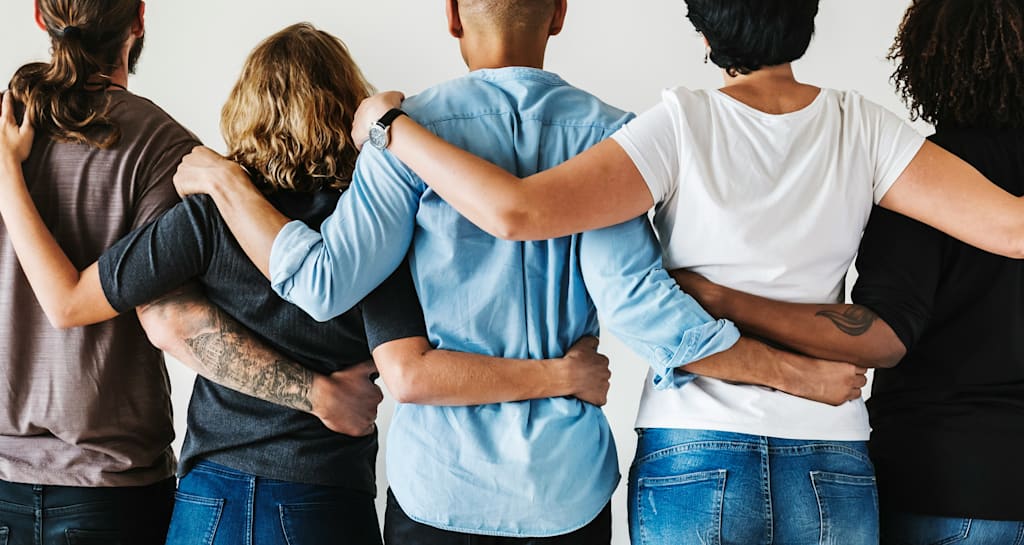
Strong relationships are at the heart of every thriving community and successful organization. While technology has made communication easier than ever, genuine personal connections remain essential for building trust, encouraging collaboration, and creating a sense of belonging. Community and workplace events provide valuable opportunities for people to connect, share experiences, and strengthen the bonds that unite them.
Whether organized by local groups, nonprofit organizations, educational institutions, or businesses, these events create spaces where individuals can interact beyond their daily routines. As a result, they help build stronger networks, improve engagement, and foster a culture of support and cooperation.
People naturally seek connection with others. Meaningful relationships contribute to emotional well being, increased motivation, and stronger social support systems. In both communities and organizations, these connections create a foundation for trust and cooperation.
Events bring people together in environments that encourage interaction and conversation. They allow participants to learn more about one another, discover shared interests, and establish relationships that may not have formed otherwise.
When individuals feel connected, they are more likely to participate actively and contribute positively to the groups they belong to.
One of the greatest benefits of organized events is their ability to encourage engagement. People often become more involved when they have opportunities to participate in activities that align with their interests and values.
Community fairs, networking sessions, volunteer projects, and organizational celebrations all provide opportunities for meaningful involvement. These experiences help participants feel valued and included, which strengthens their commitment to the group.
Increased engagement often leads to greater collaboration and stronger long term relationships.
Within organizations, strong relationships contribute directly to productivity and employee satisfaction. Events provide employees with opportunities to interact in a more relaxed setting, allowing them to connect beyond their professional roles.
These interactions help team members understand one another better and build mutual respect. When employees develop stronger relationships, communication often improves and collaboration becomes more effective.
Organizations that invest in relationship building activities frequently experience higher morale, greater trust, and stronger team performance.
Events create environments where conversations can occur naturally. Unlike formal meetings or structured work settings, gatherings often encourage more open and honest communication.
Participants feel more comfortable sharing ideas, discussing challenges, and offering feedback. This exchange of perspectives can lead to greater understanding and stronger relationships.
Open dialogue also helps leaders gain valuable insights into the needs and concerns of community members or employees. As communication improves, organizations and communities become better equipped to address challenges and pursue opportunities.
Trust is one of the most important elements of any successful relationship. Community and organizational events help build trust by creating shared experiences that bring people together.
Whether participants work together on a volunteer project, attend a celebration, or participate in a workshop, these experiences create opportunities for positive interaction. Shared achievements and memorable moments often strengthen emotional connections.
Over time, trust built through these experiences can improve teamwork, cooperation, and overall group cohesion.
Events provide opportunities to bring together individuals from diverse backgrounds, experiences, and perspectives. These interactions encourage understanding and foster a culture of inclusion.
When people engage with others who have different viewpoints and life experiences, they broaden their understanding of the world around them. This exposure helps create more welcoming and respectful environments.
Inclusive events ensure that everyone feels valued and appreciated, which strengthens relationships and promotes unity within communities and organizations.
Community events often serve a larger purpose beyond social interaction. They can raise awareness about important issues, support local initiatives, and encourage civic participation.
When people gather around a common cause, they develop a stronger sense of shared responsibility and commitment. This collective effort can lead to positive changes that benefit the entire community.
Events also provide opportunities for local organizations, businesses, and residents to collaborate in ways that strengthen community ties and encourage long term growth.
Networking is another valuable outcome of organizational events. Professionals gain opportunities to meet new contacts, exchange ideas, and build relationships that support career growth.
These connections can lead to mentorship opportunities, partnerships, and collaborative projects. Networking also allows individuals to learn from others and gain fresh perspectives on industry trends and challenges.
Strong professional networks often become valuable resources that support both personal and organizational success.
Successful communities and organizations encourage active participation from their members. Events help cultivate this culture by providing opportunities for involvement and contribution.
When people feel that their presence and input matter, they become more invested in the success of the group. Participation fosters a sense of ownership and encourages individuals to take an active role in achieving shared goals.
This culture of involvement strengthens relationships and helps create a more vibrant and connected environment.
The most successful events focus on creating meaningful experiences rather than simply filling a schedule. Organizers should consider the interests, needs, and goals of participants when planning activities.
Events that encourage interaction, collaboration, and shared experiences often have the greatest impact. Providing welcoming spaces and opportunities for genuine connection helps ensure that attendees leave with positive memories and stronger relationships.
Thoughtful planning transforms ordinary gatherings into valuable experiences that continue to benefit participants long after the event ends.
Community and workplace events play a vital role in building stronger relationships and creating more connected environments. By encouraging engagement, fostering trust, promoting inclusivity, and supporting collaboration, these gatherings help individuals develop meaningful connections that enrich both personal and professional lives.
As organizations and communities continue to grow and evolve, the importance of human connection remains unchanged. Investing in events that bring people together is one of the most effective ways to strengthen relationships, inspire participation, and create lasting positive impact for everyone involved.
About the Creator
Andrew Lake
Andrew Lake is a finance-focused real estate professional who supports development research, investment analysis, and market strategy.
Portfolio Websites:
Enjoyed the story? Support the Creator.
Subscribe for free to receive all their stories in your feed.
Comments