
Food Safety Training for Restaurant Staff: A Must-Have
Cross pollution occurs when harmful bacteria move from one surface, foods or pot to another, increasing the risk of foodborne disease.
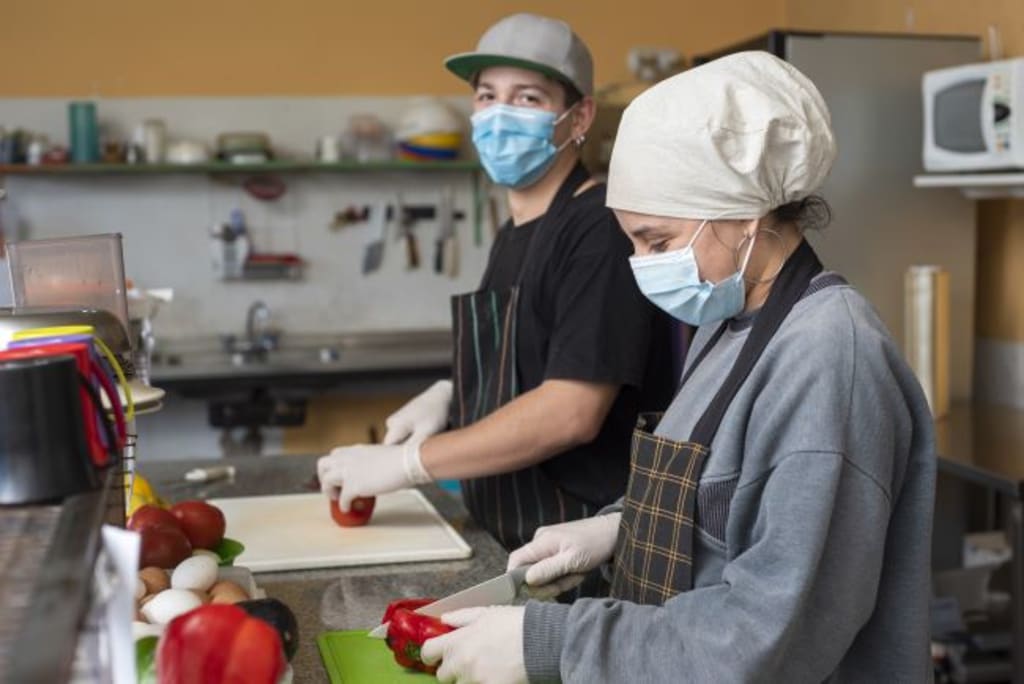
Training training for each restaurant to ensure that customers' health and welfare are an essential requirement. In a quick book industry, even less errors in handling, preparation or storage of food can lead to serious health risk and damage a restaurant reputation. Proper training equipped with knowledge to follow sanitation standards, prevent cross -supports and follow food safety rules.
This customer also creates confidence and creates a culture of responsibility in the team. By investing in food security, restaurants protect their guests not only, but also strengthen their business credibility and long -term success.
1. Food Hygiene
The Food Hygiene Restaurant has the basis for training food safety. It focuses on maintaining cleanliness and hygiene at all stages of cooking, storing and serving food. Employees should learn to wash their hands properly, use clean tools and keep the kitchen areas free of dirt and insects.
Maintaining good food hygiene practice ensures that food is safe for consumption and reduces the risk of foodborne diseases.Customers produce trust and loyalty, because the patron saint is confident that their health is preserved. Ultimately, the Food Sanitation determines the standard of quality, security and customer satisfaction.
2. Cross-Contamination Prevention
Cross pollution occurs when harmful bacteria move from one surface, foods or pot to another, increasing the risk of foodborne disease. Food safety training teaches the restaurant staff how to stop it by using separate cutting boards for raw meats and vegetables, cleaning the equipment properly and storing food in sealants. Employees are trained to handle the allergy carefully to prevent random mixture.
Prevention of cross -border ensures safe food for customers and meets safety rules. It also demonstrates the engagement from a restaurant in favor of the customer. Effective prevention strategies are important to avoid health risk, protect the reputation of a restaurant and secure the operation of the smooth kitchen.
3. Safe Food Handling
Cross pollution occurs when harmful bacteria move from one surface, foods or pot to another, increasing the risk of foodborne disease. Food safety training teaches the restaurant staff how to stop it by using separate cutting boards for raw meats and vegetables, cleaning the equipment properly and storing food in sealants. Employees are trained to handle the allergy carefully to prevent random mixture.
Prevention of cross -border ensures safe food for customers and meets safety rules. It also demonstrates the engagement from a restaurant in favor of the customer. Effective prevention strategies are important to avoid health risk, protect the reputation of a restaurant and secure the operation of the smooth kitchen.
4. Temperature Control
Temperature control is an important aspect of food security, as bacteria grow rapidly in the "danger area" between 5 ° C and 60 ° C. Training personnel for cooking, storage and refrigeration at safe temperatures prevents the development of harmful microorganisms. Cold food should be placed below 5 ° C, while hot foods should be kept above 60 ° C.
The staff is also taught to use the thermometer to check the internal cooking temperature, so that the meat and poultry are full. Proper temperature control reduces malfunctions in food, reduces the health risk and saves costs. Effective control exercises protect public health and build a restaurant's reputation for safe quality service.
5. Personal Hygiene
Personal hygiene among employees plays an important role in food safety. Exercise consistent emphasis on hand washing, wearing clean uniforms and uses protective equipment such as gloves or hair nets. Employees should avoid dealing with food when they are ill, as it can spread diseases for customers. Simple practice, such as covering cuts and avoiding jewelry in the kitchen, is also important.Discover how commercial kitchen cleaning ensures food safety in old care.
Personal hygiene not only prevents pollution, but also sets a professional standard for restaurants. Customers often notice how clean and well -designed employees appear, which affects their perception of food quality. Strong hygiene habits show responsibility and commitment to provide a safe dining experience.
6. Cleaning and Sanitizing
Cleaning and disinfection are fundamental to maintaining a safe kitchen atmosphere. Cleaning removes visible dirt, fat and food particles, while disinfection eliminates harmful microorganisms that can cause food -borne diseases. The training staff ensures that they understand the difference and know how to clean surfaces, equipment and tools.
There should be regular hygiene to reduce high -touch areas, such as cutting boards, knives and countertops, and pollution risk. Proper use of detergents and compliance with the plan ensures continuous results. A restaurant that prefers cleanliness and hygiene practice not only protects customer health, but also the health rules and maintains a positive brand image.
7. Allergen Management
Organ management is an important component of food security training, as small marks of allergies can also trigger serious reactions in sensitive customers. Employees should clearly receive training in labeling the material, avoiding cross contacts and providing accurate information for dietary restrictions. The restaurant will use protocols to prepare separate allergen -free food using designed equipment and tools.
Effective allergen management requires constant vigilance, communication and awareness. This not only prevents life -threatening events, but also promotes confidence in customers who have special dietary requirements. The organ shows responsibility and inclusion by prioritizing security and saving the business from obligations.
8. Foodborne Illness Prevention
Prevention of foodborne disease is the final goal of training food security. Diseases caused by bacteria, viruses or toxins can damage customers and damage the reputation of a restaurant. Employees are trained to identify risk factors, such as supported meat, inappropriate storage and poor hygiene practice.
By following the guidelines for cleaning, temperature control and safe handling, employees can reduce the risk. Prevention of foodborne disease also helps the restaurant avoid expensive cases and government penalties. Restaurants that prefer prevention not only protect public health, but also gain the customer's confidence. An active approach ensures long -term success, as healthy customers are more likely to come back and recommend.
9. Compliance and Regulations
Compliance with rules for food security is compulsory for restaurants to operate legally and maintain reliability. The training understands the staff and follows local health codes, license requirements and inspection standards. Rules cover everything from proper labeling and storage to hygiene and pest control.
Non-transport can cause punishment, closed or known injury. Food security training prepares the staff to fulfill legal expectations, which reduces the risk of violation. Living also leads to commitment to professionalism and skill. By prioritizing compliance, restaurants in the food industry protect themselves as reliable and reliable businesses, protect customers and protect their licenses to establish themselves.
10. Staff Training Programs
Personnel training programs are the backbone of food security at the restaurant. These programs provide structured guidance on hygiene, handling, cleaning and compliance practices. Training can be provided through workshops, manual or online modules, and ensures that all employees - are equipped with new and experienced - essential knowledge.
The current refreshment course helps to strengthen best practice and adapt to updated rules. Training programs also promote teamwork and stability, as all employees follow the same standards. Well -trained employees feel more confident in their roles and contribute to a safe environment. Investment in training ensures low errors, high customer satisfaction and long -term success.
Conclusion :
Food security training is not just a requirement for restaurant employees - it is a responsibility that protects customer health and ensures success in the business. By teaching important practices such as hygiene, safe food handling, temperature control and allergen control, restaurants reduce the risk of food -borne diseases and regulatory problems. Proper training also creates the customer's trust, as guests depend on companies that prefer their goods.
A well -structured training program promotes teamwork, stability and responsibility among employees. Ultimately, investing in food safety training is an investment in long -term reputation, compliance and customer loyalty, making it necessary for each restaurant in today's food industry.
About the Creator
Enjoyed the story? Support the Creator.
Subscribe for free to receive all their stories in your feed.
Comments
There are no comments for this story
Be the first to respond and start the conversation.