
Flat Top Grilling Excellence: Crafting Perfect Steaks and Vegetables with Heat and Timing
Why the Flat Top Grill Delivers Superior Cooking Control
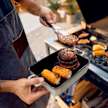

The flat-top grill stands out because it transforms cooking into a controlled, surface-based technique rather than an open-flame guessing game. Its continuous steel surface distributes heat evenly, allowing ingredients to cook consistently without the hot spots and flare-ups common in traditional grills. This even heat makes it especially effective for steak and vegetables, where timing and surface contact play a major role in flavor development.
Another key advantage is the ability to cook multiple foods at once without sacrificing texture or taste. Since everything stays on one flat surface, juices stay contained, and flavors develop through direct contact with heat. This creates a richer, more unified cooking experience in which steaks develop a deep crust, and vegetables achieve balanced caramelization simultaneously.
Great flat top grilling begins long before the food touches the surface. Choosing the right steak cut makes a noticeable difference in final results. Ribeye is especially popular due to its marbling, which melts during cooking and enhances both tenderness and flavor. Strip steak offers a firmer bite with strong beef character, while sirloin provides a leaner but still flavorful option when handled carefully.
Vegetables should also be selected with texture and cooking behavior in mind. Dense vegetables like carrots or potatoes provide structure and require longer cooking times, while softer vegetables like mushrooms, zucchini, and peppers cook quickly and absorb flavor well. When thoughtfully combined, these ingredients create a balanced plate that highlights both richness and freshness.
Proper preparation ensures smooth cooking and better results on a flat top grill. Steaks should be allowed to sit at room temperature before cooking so they heat evenly from edge to center. Excess surface moisture should be lightly patted away to improve browning. A simple seasoning approach works best, allowing natural beef flavor to shine through while still forming a flavorful crust.
Vegetables benefit from uniform cutting and light oil coating before they hit the grill. Even sizing ensures consistent cooking and prevents uneven textures. Oil helps promote browning while preventing sticking on the hot surface. When both steak and vegetables are properly prepared, the cooking process becomes more predictable and efficient.
Understanding heat behavior across the flat top surface is essential for mastering this cooking method. Most grills naturally form temperature zones, with the hottest areas near the heat source and cooler areas toward the edges. Learning to recognize and use these zones allows for greater control over timing and doneness.
Steaks typically begin in the hottest section to quickly develop a sear, locking in juices and building a crust. After searing, they can be moved to a cooler zone to finish cooking at a controlled pace. Vegetables can be managed similarly, with harder vegetables starting in higher-heat zones and softer vegetables finishing in moderate-heat areas to prevent overcooking.
Searing is where flat top grilling truly shines. When steak meets the hot steel surface, the Maillard reaction begins, creating a rich brown crust full of complex flavor. This step requires patience because moving the steak too soon disrupts crust formation and reduces flavor intensity. Allowing proper contact time ensures a deep, even sear.
Flipping the steak only once is often the best approach. After one side develops a strong crust, turning it allows the other side to cook evenly while preserving moisture. Many cooks finish the steak in a lower heat zone to achieve the desired doneness without burning the exterior. This combination of high heat and controlled finishing produces a steak that is both flavorful and tender.
Vegetables take on a completely new character when cooked on a flat top grill. The direct heat encourages caramelization, which enhances their natural sweetness and creates a deeper, more complex flavor. Onions become rich and slightly sweet, mushrooms develop umami depth, and peppers gain a soft, smoky profile that pairs perfectly with steak.
Timing is essential when cooking vegetables alongside meat. Harder vegetables require more time and should be placed on the grill earlier in the process. Softer vegetables should be added later to avoid overcooking and loss of texture. By carefully managing timing, all vegetables can finish together at peak flavor and consistency.
The final stage of flat top cooking is coordination and presentation. Once steaks are properly seared and vegetables are caramelized, timing everything so it finishes together creates a smooth cooking flow. Resting the steak after cooking is crucial because it allows juices to redistribute, improving tenderness and preventing moisture loss when sliced.
When plating, balance is key. The richness of steak pairs best with vegetables that offer sweetness, texture, and a touch of acidity. Finishing touches such as melted butter, fresh herbs, or a drizzle of citrus can enhance the overall flavor without overpowering it. When executed well, flat top grilling becomes a complete culinary method that delivers consistency, depth, and restaurant-quality results at home.
About the Creator
Enjoyed the story? Support the Creator.
Subscribe for free to receive all their stories in your feed.
Comments