
Five Essential Nutrients for Patients on GLP-1s
Nutrients for Patients on GLP-1s
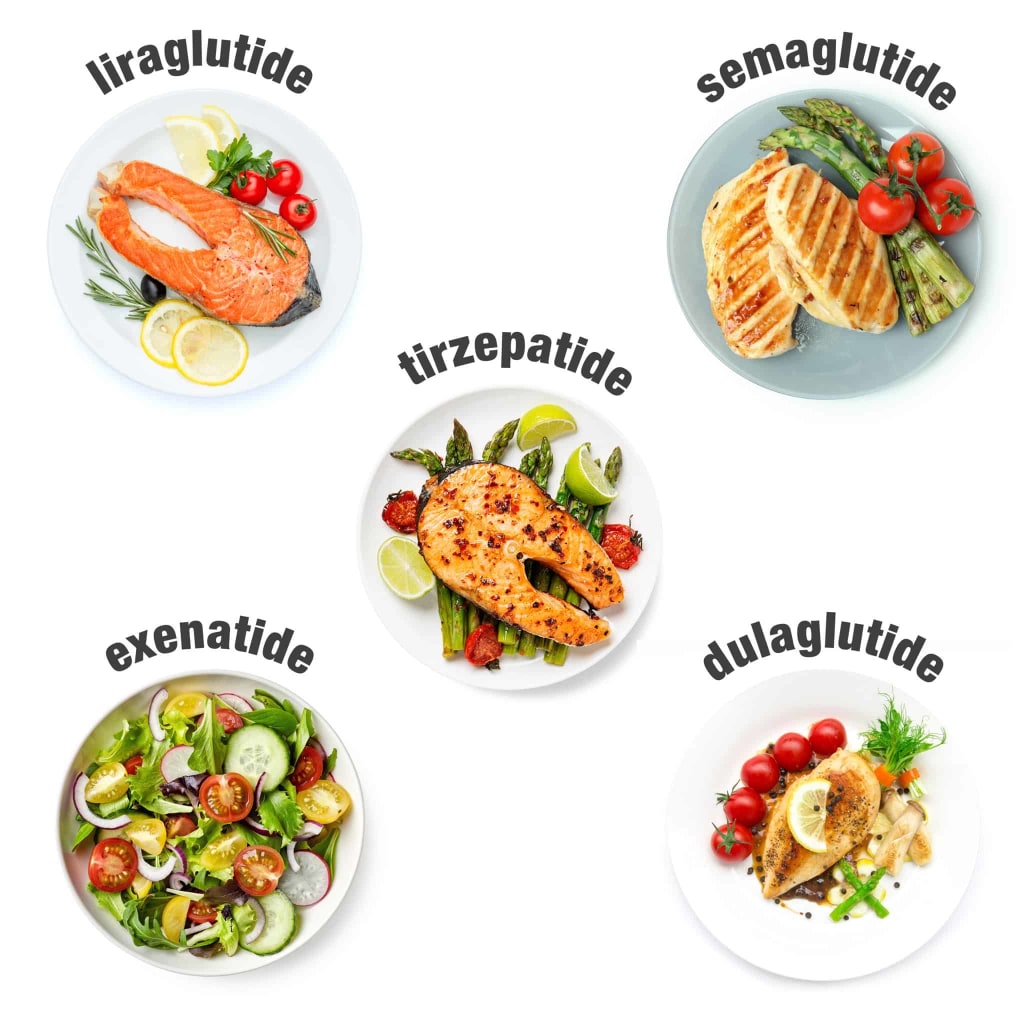
Weakness, queasiness, indigestion, muscle misfortune, and the feared "Ozempic face" are secondary effects from utilizing glucagon-like peptide 1 (GLP-1) receptor agonists (RAs, for example, semaglutide or the double glucose-subordinate insulin tropic polypeptide (GIP)/GLP-1 RA tirzepatide to control glucose and advance weight reduction.
Yet, what I've gained from working with many patients on these drugs, and others, is that the vast majority of these aftereffects can be limited by guaranteeing appropriate nourishment.
Getting patients in a good position requires dietary training and directing, alongside ordinary checking to decide any healthful lacks. Albeit sufficient admission of all the large scale and micronutrients is clearly significant, there are five supplements specifically that clinicians ought to underscore with their patients on GLP-1 RAs or GIP/GLP-1 RSs.
Protein
My patients are most likely tired of hearing me discuss protein, yet without the steady support, a considerable lot of them wouldn't consume enough of this macronutrient to keep up with their standard lean weight. The suggested dietary stipend (RDA) for protein (0.8 g/kg bodyweight) doesn't cut it, particularly for more seasoned, fat patients, who need nearer to 1.0-1.2 g/kg bodyweight to keep up with their bulk. For instance, for a 250-lb patient, I would suggest 114-136g protein each day.
This is comparable to approximately 15 oz of cooked creature protein. It's critical to note, however, that people with kidney infection should restrict their protein admission to 0.6-0.8 g/kg bodyweight each day, to try not to exhaust their kidneys. In this present circumstance, the advantage of expanded protein admission doesn't offset the gamble of hurting the kidneys.
It's frequently trying for patients with smothered cravings to try and contemplate eating an enormous hunk of meat or fish, not to mention consume it. Also, eating more than 3-4 oz of protein in one dinner can make a few patients very awkward, attributable to the drug's impact on gastric purging. This implies that everyday protein admission should be fanned out over numerous smaller than normal dinners.
For patients who need in excess of 100 g of protein each day, protein powders and premade protein shakes can give 20-30 g protein to fill in the holes. In spite of the fact that I generally attempt to advance food first, protein supplements have been major advantages for my patients, particularly the people who find strong food less engaging on the drug, or the people who stay away from creature protein.
Clinicians ought to have their patients screen changes in their lean weight utilizing a double energy x-beam absorptiometry check or a bioelectrical impedance scale; this can be a useful device in surveying whether protein admission is adequate.
Fiber
Indeed, even my most educated and agreeable patients will encounter some stoppage. By and large, you eat less, you will have less solid discharges. Join that with postponed gastric purging and decreased fiber admission, and you have a powerful coincidence. Numerous patients are basically not ready to get in the suggested 25-35 g fiber each day through food, in light of the fact that sinewy food sources are filling. On the off chance that they are focusing on the protein in their dinner, they won't have sufficient space for every one of the vegetables on their plate.
To guarantee that patients are getting adequate fiber, clinicians ought to push utilization of specific vegetables and organic products, for example, carrots, broccoli, brussels sprouts, raspberries, blackberries, and apples, as well as beans and vegetables. (Mixed greens are perfect, however greens like spinach are not so stringy as one would suspect.) In the event that the leafy foods admission isn't satisfactory, a fiber supplement, for example, psyllium husk can give a viable lift.
Vitamin B12
Utilization of these prescriptions is related with a decrease in vitamin B12 levels, to some extent in light of the fact that postponed gastric discharging might influence B12 retention. However, low dietary admission of B12 while on the meds can likewise be at fault. The best food sources are creature proteins, so if potential, patients ought to focus on having fish, lean meat, eggs, and dairy day to day.
Veggie lovers and vegetarians, who are at an expanded gamble for lack, can integrate nourishing yeast, a superb wellspring of vitamin B12, into their everyday daily practice. It is helpful for patients to get bloodwork occasionally to mind B12 status, on the grounds that deficient B12 can add to the weariness patients experience while on the prescription.
Calcium
People ought to have calcium on their radar, since weight reduction is related with a decline in bone mineral thickness. Satisfactory admission of the mineral is pivotal for ideal bone wellbeing, especially among postmenopausal ladies and the individuals who are in danger of creating osteoporosis. The RDA for calcium is 1000-1200 mg/d, which an expected half of corpulent people don't take in.
Despite the fact that dairy items are notable for being wealthy in calcium, there are other extraordinary sources. Dull green verdant vegetables, for example, cooked collard greens and spinach, give almost 300 mg for every cup. Tofu and sardines are likewise calcium forces to be reckoned with. Regardless of the plenty of calcium-rich food sources, nonetheless, a few patients might require a calcium supplement.
Vitamin D
Lack of vitamin D or inadequacy is normal among people with stoutness, so even before these patients start the prescriptions, supplementation might be justified. The nutrient's job in advancing calcium retention, as well as in bone renovating, make sufficient admission fundamental for patients encountering huge weight reduction.
Clinicians ought to accentuate ordinary utilization of greasy fish, like salmon, as well as eggs, mushrooms, and vitamin D-braced milks. In any case, sadly, that is where the rundown of vitamin D-rich food varieties closes, so taking a vitamin D enhancement will be essential for some patients.
Consistently observing patients on GLP-1 RAs through bloodwork to check nutrient levels and body arrangement examination can be useful in surveying healthful status while getting thinner. Clinicians can likewise urge their patients to work with an enrolled dietitian who knows all about these meds, so they can foster ideal dietary patterns all through their wellbeing process.
About the Creator
Zaweria
Am more than a writer; Am a storyteller seeking to create a shared space where readers can immerse themselves in my narratives. If you come across my work, rest assured that you are in for an enriching experience.
Enjoyed the story? Support the Creator.
Subscribe for free to receive all their stories in your feed.
Comments
There are no comments for this story
Be the first to respond and start the conversation.