

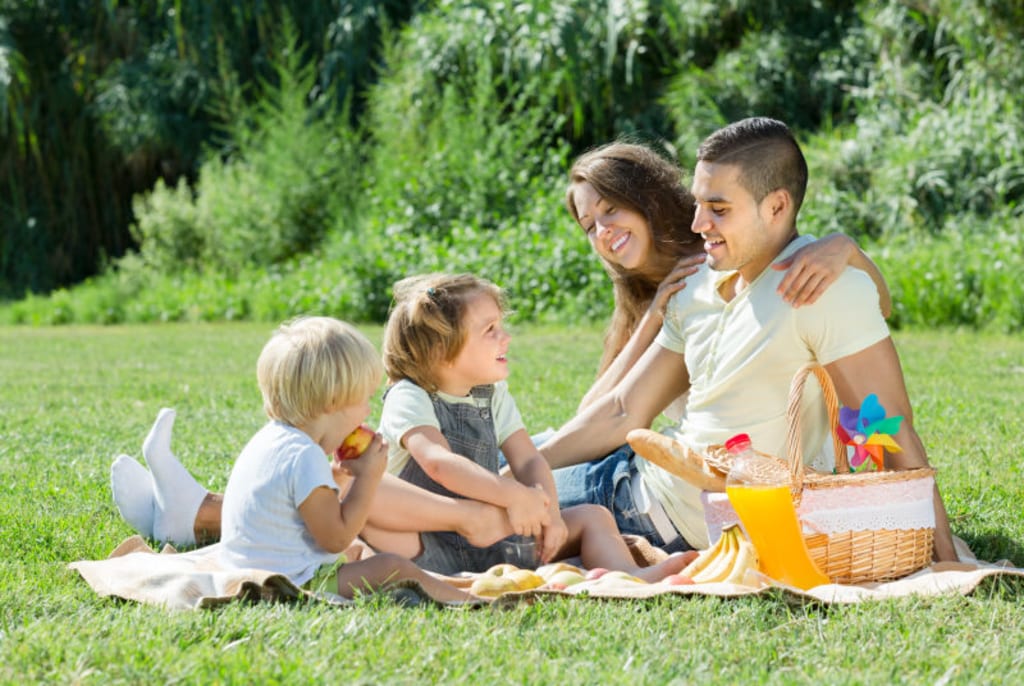
There are as many family education phenomena as there are families; as many pairs of parents, there are as many ways or means of education. I think in family education, the most important way is communication. A good educational achievement is inseparable from the full communication between parents and children. Through communication, parents can hear the voice of the child, and the child can also feel the parents' attention to themselves, thus establishing an intimate relationship. However, in China, many parents do not pay much attention to the communication with their children, and even the time spent with them is very stingy. They seem to only have their own career or interests in their minds, and neglect to care for their children, let alone communicate, which directly leads to the estrangement between parents and children and hinders the implementation of family education. Parents attach great importance to the communication with their children. Whether it is big or small, they will hold family meetings with their children to discuss, encourage them to actively express their opinions, focus on participation, and give them full space for expression. Even if the child does something wrong, the parents will let the child explain it by himself before educating. Communication is a bridge connecting parents and children, and an indispensable part of family education
In addition to communication, communicating with children and listening cannot be ignored. If parents don't know how to listen to their children, no amount of communication will help. In "Children Are Not Stupid 2", Tom and Jerry's parents just don't know how to communicate and listen, which leads to a series of heartbreaking things happening to their children during their growth. In particular, Tom sent it to his father after he repaired the computer. Not only did he not receive the show, but he was also criticized for it. Such an ending is a kind of trauma to the child. Tom's father made a jump to conclusions because he didn't know how to listen to his son's explanation. The disrespect and incomprehension of the parents lies in the opening of door after door in the relationship with the child. On the contrary, in "Growing Troubles", the father can calm down and talk to him on an equal footing when his son makes a serious mistake, listen to what his son has to say, and then give him correct guidance. Listening is not only respect for children but also a prerequisite for smooth communication.
In family education, parents' attitudes towards their children vary with the situation. Criticize because of doing something wrong, how about because of good performance, angry because of disobedience, excited because of progress... But no matter what the situation is, as a parent, you must first respect and understand your child's different performances. For example, if a child still does something wrong despite the reminder from his parents, the parents calmly point out the problem to the child and encourage him to take responsibility. In any case, it is inevitable for children to make mistakes in the process of growing up, and responsibility cannot end. In this case, why not treat them with respect and understanding. When you do something right, show appreciation and encourage your children to continue to maintain it; when you do something wrong, show respect and understanding and encourage them to reform themselves. Parents' respect for children is the basis for children to build self-confidence, and encouraging them is their responsibility to consciously find the right direction. Children's mentality comes from how parents treat them. Therefore, parents should keep a calm mind in education. Parents are role models and role models for their children, and their words and deeds will be seen by their children and remembered in their hearts. Therefore, the way of family education is very important to shaping an excellent child.
Family education plays a key role in the process of children's growth, so we must look at the model of family education with an objective and scientific perspective, including concepts, goals, content, methods and other aspects.
the heart of education. All education is for children, ensuring their healthy and happy growth is the
About the Creator
Enjoyed the story? Support the Creator.
Subscribe for free to receive all their stories in your feed.
Comments
There are no comments for this story
Be the first to respond and start the conversation.