
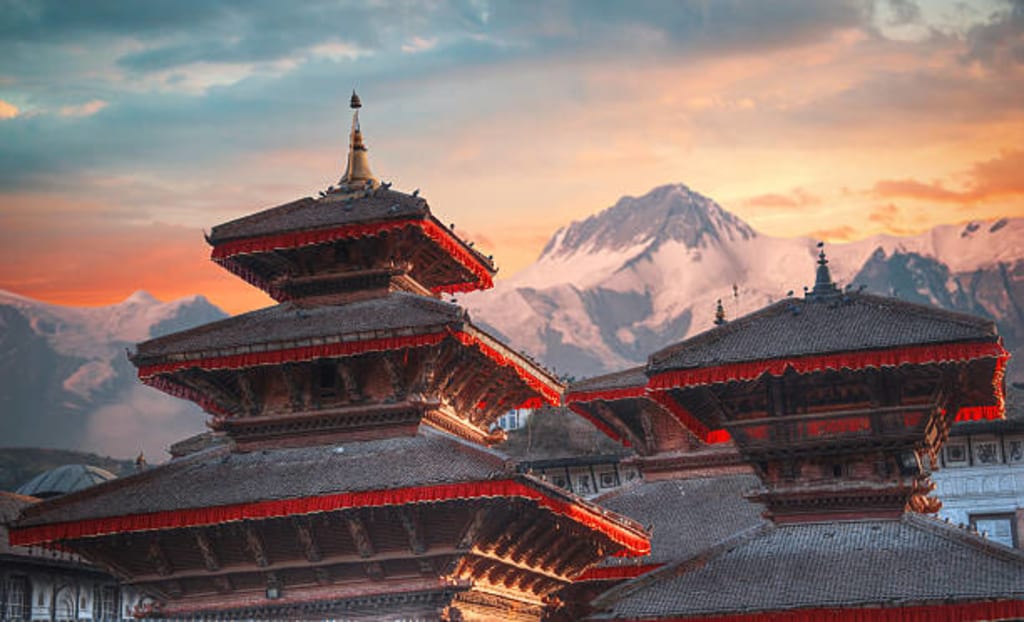
here’s are some top 10 facts about nepal =
1. Landlocked Himalayan Nation: Nepal is a landlocked country situated in South Asia, bordered by China to the north and India to the south, east, and west. It is known for its stunning landscapes, including the majestic Himalayas and Mount Everest, the world's highest peak.
2.Birthplace of Buddha: Nepal is the birthplace of Siddhartha Gautama, who later became known as Buddha, the founder of Buddhism. Lumbini, located in the southwestern part of the country, is a UNESCO World Heritage Site and a significant pilgrimage destination for Buddhists worldwide.
3.Diverse Ethnicities and Languages: Nepal is incredibly diverse in terms of ethnic groups and languages. There are over 125 distinct ethnic groups, each with its unique culture, language, and traditions. Nepali is the official language, but various regional languages are spoken throughout the country.
4.Home to the World's Highest Mountain: The world's highest mountain, Mount Everest, lies on the border between Nepal and China (Tibet). Known locally as "Sagarmatha" (in Nepali) or "Chomolungma" (in Tibetan), Everest's peak stands at a breathtaking 8,848 meters (29,029 feet) above sea level.
5.Hindu and Buddhist Traditions: Nepal is a religiously diverse country, with Hinduism and Buddhism being the two major religions. Hinduism is the predominant religion, with a significant influence on Nepali culture and society. Buddhism also holds a strong presence, especially in regions like Lumbini and the Himalayan areas.
6.Gurkha Warriors: The Gurkhas are legendary soldiers from Nepal, known for their bravery, loyalty, and exceptional military skills. They have served in the British and Indian armies for centuries and are highly respected for their dedication and valor.
7.Unique Flag Shape: Nepal has a distinctive national flag that is not rectangular like most other countries. It consists of two stacked triangles, representing the Himalayan Mountains and the two major religions, Hinduism and Buddhism.
8.Rich Biodiversity: Despite its small size, Nepal boasts an incredibly diverse range of ecosystems and wildlife. The country's varied topography, ranging from subtropical jungles to alpine meadows, supports a wide array of plant and animal species, including the elusive Bengal tiger and the endangered one-horned rhinoceros.
9.Temples and UNESCO World Heritage Sites: Nepal is home to an abundance of ancient temples, palaces, and historical sites. The Kathmandu Valley alone is a treasure trove of UNESCO World Heritage Sites, with seven well-preserved medieval cities showcasing exquisite art and architecture.
10.Dashain and Tihar Festivals: Dashain and Tihar are the two biggest and most important festivals celebrated in Nepal. Dashain, a Hindu festival, is a time of family reunions and feasting, while Tihar (also known as Deepawali or the festival of lights) is a celebration of lights and the bond between humans and animals.
11. Federal Democratic Republic: Nepal transitioned from a monarchy to a federal democratic republic in 2008. The monarchy was abolished, and the country adopted a new constitution, establishing Nepal as a federal nation divided into provinces.
12. Yeti Mythology: Nepal's folklore includes tales of the Yeti, also known as the "Abominable Snowman," a mythical creature believed to inhabit the remote Himalayan regions. Despite numerous expeditions, no concrete evidence of the Yeti's existence has been found.
13. Living Goddess - Kumari: Nepal has a unique tradition of selecting a young prepubescent girl as the living embodiment of the goddess Taleju. Known as the Kumari, she is revered and worshipped during various religious festivals, especially in Kathmandu.
14. Sherpas - Himalayan Climbers: The Sherpa people of Nepal have gained fame as skilled mountaineers and guides for trekkers and climbers in the Himalayas. They play a crucial role in leading expeditions to the world's highest peaks, including Mount Everest.
15. Rhododendron, the National Flower: The rhododendron is the national flower of Nepal. The country is home to numerous species of these colorful flowers, and they are especially abundant in the Himalayan region during the spring season.
16. Multicultural Festivals: Nepal celebrates a wide range of festivals throughout the year, reflecting the country's cultural diversity. Some major festivals include Holi, Teej, Holi, Bisket Jatra, and the Indra Jatra.
17. Birthplace of the Gurkha Legend: The Gurkhas, renowned for their military prowess, hail primarily from the hilly regions of Nepal, particularly from places like Gorkha and Lamjung.
18. Hindu Temples and Sacred Sites: Pashupatinath Temple, located in Kathmandu, is one of the most sacred Hindu temples in the world. It is dedicated to Lord Shiva and is an essential pilgrimage site for Hindus.
19. Chitwan National Park: One of Nepal's most famous national parks, Chitwan National Park, is a UNESCO World Heritage Site. It is renowned for its diverse flora and fauna, including the elusive Bengal tiger, one-horned rhinoceros, and various bird species.
20. Lhosar - Tibetan New Year: Lhosar, the Tibetan New Year, is widely celebrated in Nepal, especially in areas with a significant Tibetan population. It marks the beginning of the Tibetan lunar calendar and is a time of vibrant festivities, dance, and cultural performances.
Nepal continues to captivate visitors with its cultural heritage, natural wonders, and the warmth of its people. It's a country with a rich tapestry of history and traditions, making it a fascinating destination for travelers and adventurers alike.
About the Creator
Enjoyed the story? Support the Creator.
Subscribe for free to receive all their stories in your feed.
Comments
There are no comments for this story
Be the first to respond and start the conversation.