
Exploring the Purpose and Goals of Artificial Intelligence
Goals of artificial intelligence

Exploring the Purpose and Goals of Artificial Intelligence
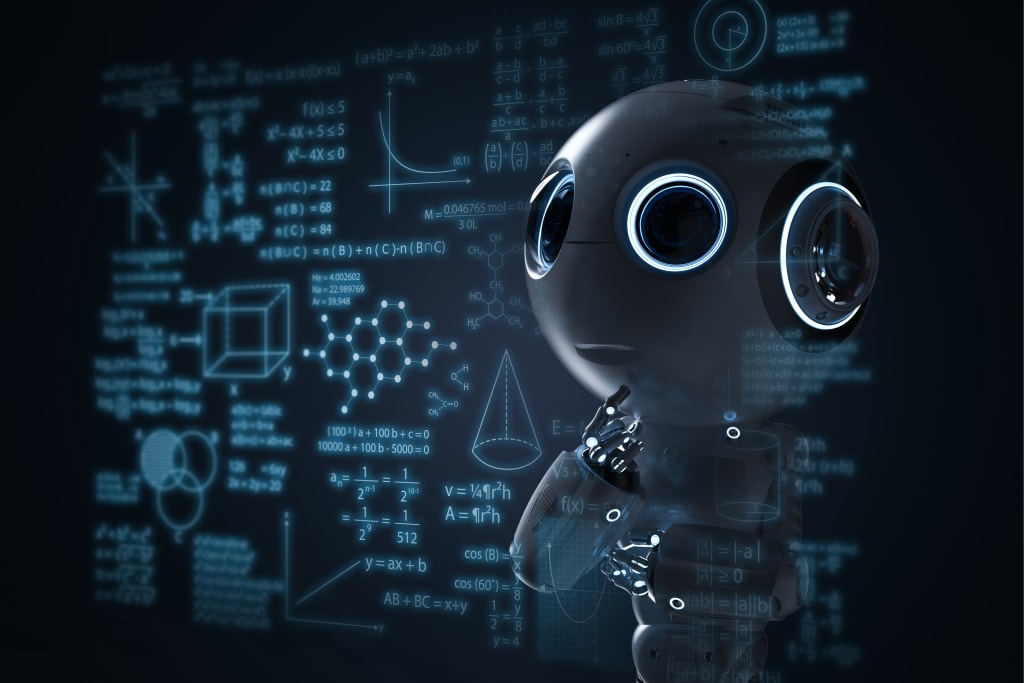
Artificial intelligence is increasingly being used in various fields to perform tasks intelligently without the need for explicit instructions. With its advancements, AI is becoming capable of rational and human-like thinking and actions. For instance, the Snapchat AI bot can engage in conversations on any subject and provide appropriate responses accordingly. However, will AI transform human lives and work? Will it continue to advance humanity even after achieving its goals? Let's delve into the purposes and goals of AI with its significant impact on modern society.
Purpose of artificial intelligence
In every different field and zone, there is some purpose of AI that includes various concepts, techniques, and modern technologies. Some of these are as follows.
Artificial intelligence is used to help humans in better decision-making by providing them with relevant data and recommendations. AI has the power to integrate large amounts of information and the ability to make quick decisions and align with organizational resources more effectively.
The field of machine learning involves the use of artificial intelligence to enable systems to learn and improve from experience without the need for explicit programming. In recent years, it has gained popularity due to its numerous practical applications across various industries.
The use of creativity in technological advances involves using digital tools to create visuals, 3D modeling, generative AI and printing, digital cinematography, and more. With more imaginative power, the ideas are more varied, and it helps businesses think bigger.
AI is a valuable tool for financial institutions as it can speed up and automate tasks that were previously done manually and took a lot of time, such as market research. With AI's ability to analyze vast amounts of data quickly, it can identify trends and predict future performance, enabling investors to plan investment growth and evaluate risk.
Artificial intelligence has many practical applications that can optimize business processes. Deep learning and machine learning algorithms require large amounts of data to function effectively. If you provide this data, you can reap the benefits of AI's potential.
Using AI can automate tasks like lead generation, lead scoring, and customer retention. By utilizing AI, marketers can pinpoint potential customers and interact with them at the best time, increasing the chances that they will react positively to marketing messages.
Goals of artificial intelligence
There are several goals of AI, which also include stimulating human-like intelligence in machines and empowering them to carry out complex tasks. Some of the goals of AI are.
One of the most important contributions of AI till the date is social development, which lies in its ability to revolutionize communication. Natural Language Processing (NLP) techniques allow AI-powered chatbots and virtual assistants to understand and respond accurately to human queries and engage in conversations.
Artificial intelligence can help make healthcare and medicines more efficient in the future. Predictive models powered by AI can aid in disease prevention and personalized treatment plans while prioritizing privacy and security.
One effective way of using AI is to assist humans in developing creative ideas and solving complex problems. AI-powered tools are capable of analyzing data and offering insights that can be used to make informed creative decisions. Additionally, AI can also evaluate the effectiveness of creative ideas, provide feedback, and help to refine them.
AI can be used to focus on representing information about the world in a way that computer systems can utilize to solve complex tasks such as diagnosing medical conditions or engaging in conversations in the field of knowledge representation and reasoning.
Deep learning involves identifying patterns in input data and using that knowledge to gain insights about a particular subject. These insights are expressed as a level of confidence in making decisions about specific situations. Essentially, AI is a form of artificial perception that imitates the human brain's ability to perceive information.
One of the most important goals of AI is to create holograms that are human-like projections that seem immensely futuristic and are more accessible than ever. Industry-level hologram creation has been utilized for creative and commercial purposes for the past two decades.
Conclusion -
With these goals and the purpose of artificial intelligence in various domains, these systems have endless research and development goals to enhance their capabilities. While pushing the boundaries of what AI can achieve, there are challenges of artificial intelligence as well, which include privacy concerns, lack of trust, etc. It is a long-term journey, and it has become crucial to adapt to emerging technologies and change perspectives with them.
Also read: What is one of the biggest challenges facing AI today?
About the Creator
Daniel Miller
I am an educational counselor at Careerera. Careerera is a leading online certification and classroom training provider that includes higher education professional certification training, test preparation, and language training.
Enjoyed the story? Support the Creator.
Subscribe for free to receive all their stories in your feed.
Comments
There are no comments for this story
Be the first to respond and start the conversation.