
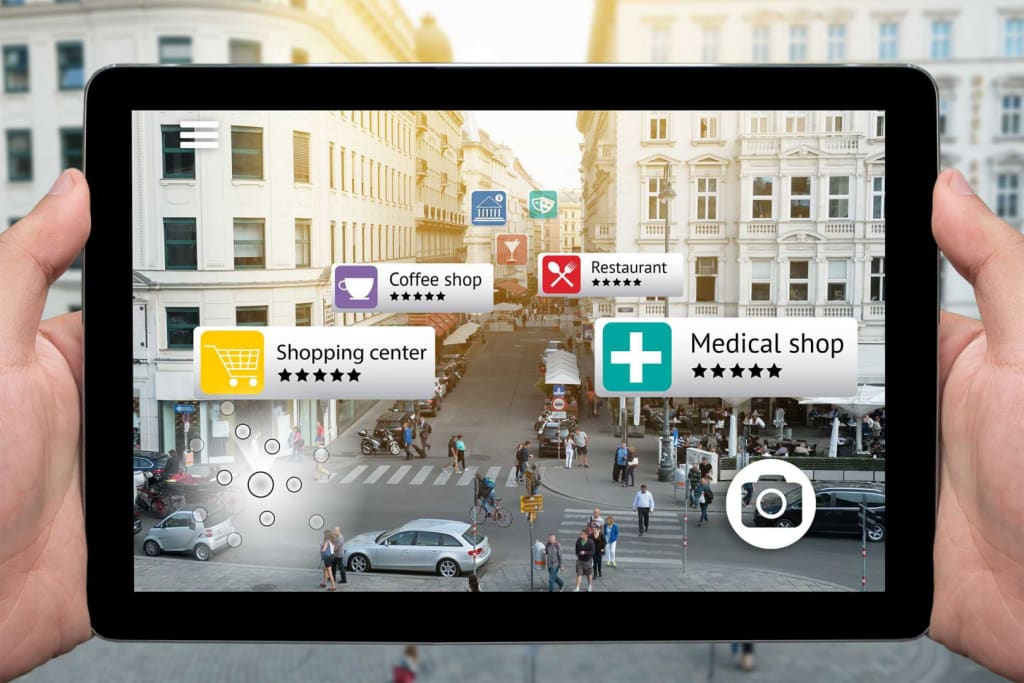
In an era where technology is seamlessly integrating with everyday life, Web Augmented Reality (WebAR) stands out as a transformative innovation. By merging the digital and physical worlds, WebAR Platform has the potential to revolutionize various industries, from retail and education to healthcare and entertainment. This article delves into the intricacies of WebAR, exploring its capabilities, applications, and the future it heralds.
What is Web Augmented Reality?
Web Augmented Reality refers to the technology that enables AR experiences directly through web browsers, eliminating the need for specialized apps. Leveraging technologies like WebGL, WebRTC, and WebXR, WebAR allows users to interact with augmented elements in their environment using their smartphones, tablets, or computers. This accessibility makes it a powerful tool for widespread adoption.
The Technological Backbone of WebAR
At the core of WebAR lies a suite of advanced technologies that work in harmony to deliver seamless experiences:
1. WebGL (Web Graphics Library): Facilitates the rendering of interactive 3D graphics within any compatible web browser.
2. WebRTC (Web Real-Time Communication): Supports real-time communication capabilities, essential for live streaming and interactive sessions.
3. WebXR (Web Extended Reality): A standardized API that provides support for both augmented reality (AR) and virtual reality (VR) experiences on the web.
These technologies collectively enable WebAR to provide rich, interactive experiences without the friction of app downloads and installations.
Applications Across Industries
Retail: Imagine trying on clothes virtually or seeing how furniture would look in your living room without stepping into a store. WebAR is making this possible, enhancing the online shopping experience by allowing consumers to visualize products in their own space, leading to informed purchasing decisions.
Education: WebAR is transforming traditional learning. Interactive 3D models can bring complex subjects to life, making learning more engaging and effective. From virtual dissections in biology to exploring historical landmarks, the possibilities are limitless.
Healthcare: In healthcare, WebAR can assist in everything from patient education to surgical planning. By overlaying digital information onto the physical world, it helps medical professionals visualize complex procedures and enhance patient outcomes.
Entertainment: The entertainment industry is embracing WebAR to create immersive experiences. From augmented reality games to interactive movie promotions, WebAR adds a new dimension to storytelling and audience engagement.
Advantages of WebAR
Accessibility: One of the most significant advantages of WebAR is its accessibility. Users can access AR experiences directly through their browsers without downloading additional apps, making it easier for businesses to reach a broader audience.
Cost-Effectiveness: Developing AR experiences for the web can be more cost-effective compared to app-based AR, as it reduces the need for platform-specific development and maintenance.
Instant Updates: WebAR allows for instant updates and content changes without requiring users to download new versions, ensuring that the content is always fresh and up-to-date.
Broad Compatibility: Since WebAR works across various devices and platforms, it ensures a consistent user experience, regardless of the hardware or operating system.
Challenges and Future Directions
While WebAR holds immense potential, it also faces several challenges. Browser compatibility and performance issues can affect user experience, and the technology is still evolving to handle more complex and high-quality AR content. Privacy and security concerns are also paramount, especially as AR applications collect and process more personal data.
Looking ahead, advancements in 5G and edge computing are expected to significantly enhance the capabilities of WebAR. Faster data speeds and reduced latency will enable more complex and immersive AR experiences. Moreover, as more browsers and devices adopt WebXR standards, the barriers to widespread adoption will continue to diminish.
Conclusion
The evolution of Web Augmented Reality (WebAR) is marked by significant advancements, with platforms like PlugXR playing a pivotal role in democratizing AR creation and deployment. By providing intuitive tools and robust features, such platforms make it feasible for individuals and businesses to harness the power of WebAR without extensive technical expertise. This democratization is crucial as it broadens the scope of AR applications across various industries, enhancing user experiences in retail, education, healthcare, and entertainment.
While challenges such as browser compatibility and performance issues remain, the continuous development of WebAR technologies promises to address these hurdles, making AR more accessible and efficient. As the field progresses, WebAR will likely become an integral part of how we interact with digital content, offering immersive and interactive experiences directly through web browsers. This shift not only enhances user engagement but also paves the way for innovative applications that blend the physical and digital realms in unprecedented ways.
About the Creator
Enjoyed the story? Support the Creator.
Subscribe for free to receive all their stories in your feed.
Comments
There are no comments for this story
Be the first to respond and start the conversation.