
Exploring the Enigmatic World of Synesthesia: Where the Senses Merge
Learn more about Synesthesia
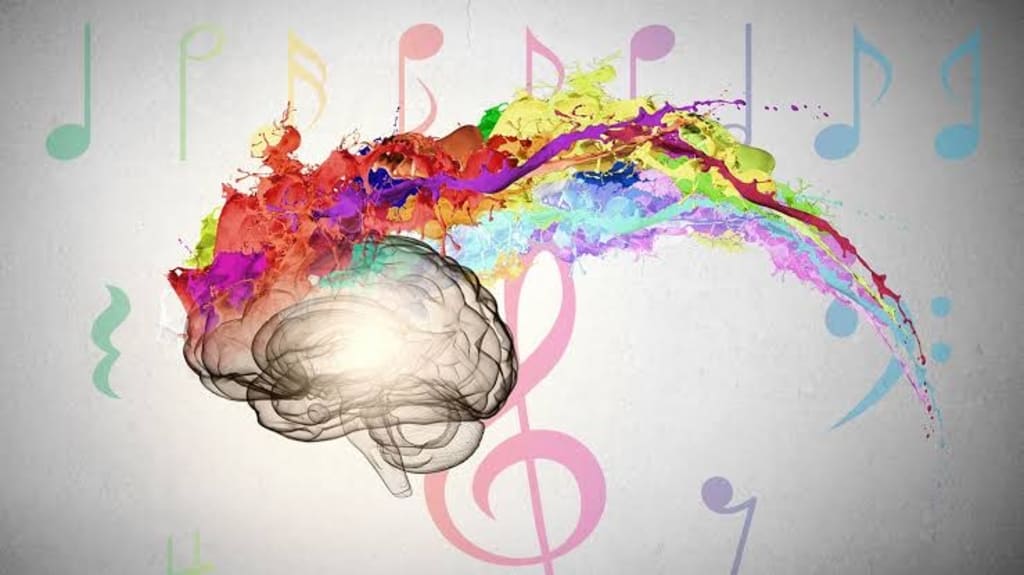
In the realm of human perception, an extraordinary phenomenon known as synesthesia adds a captivating layer of complexity. Synesthesia is a fascinating condition in which the stimulation of one sensory pathway involuntarily triggers the perception of another. Imagine seeing vivid colors whenever you taste a particular flavor or associating specific sounds with distinct shapes. This peculiar blending of senses has puzzled scientists and intrigued artists alike, offering a unique window into the intricate workings of the human mind. Let's embark on a journey to unravel the mysteries and marvels of synesthesia.
Defining Synesthesia
Synesthesia, derived from the Greek words "syn" (together) and "aisthēsis" (sensation), can be described as a perceptual phenomenon where the stimulation of one sense leads to the involuntary experience of another sense. Although its exact prevalence remains uncertain, studies suggest that approximately 2-4% of the population may have some form of synesthesia.
Types of Synesthesia
Synesthesia manifests in various forms, with different sensory combinations reported among individuals. Some common types include:
1. Grapheme-Color Synesthesia: The most prevalent type, where letters, numbers, or words evoke specific colors.
2. Chromesthesia: Sounds, music, or voices evoke the perception of colors.
3. Lexical-Gustatory Synesthesia: Words, spoken or written, trigger taste sensations.
4. Spatial Sequence Synesthesia: Numbers, days of the week, or months of the year are associated with specific spatial arrangements.
5. Olfactory-Visual Synesthesia: Smells elicit vivid visual images.
Causes and Mechanisms
The underlying mechanisms behind synesthesia are still not entirely understood. However, research suggests a combination of genetic and environmental factors play a role. Some studies have identified possible genetic markers associated with synesthesia, while others propose that enhanced cross-wiring between brain regions involved in sensory processing might be responsible.
Neuroscience and Synesthesia
Neuroscientific investigations have shed light on the brain processes underlying synesthesia. Functional MRI (fMRI) studies have revealed hyperconnectivity between regions responsible for different senses in synesthetes, suggesting a potential neural basis for the cross-activation of sensory pathways. These findings provide a tantalizing glimpse into the complex interplay between perception, cognition, and neural networks.
Synesthesia and Creativity
Many synesthetes consider their condition a unique source of inspiration and creativity. Artists, musicians, and writers often integrate their sensory experiences into their work, offering a fresh and innovative perspective. The rich and vibrant associations triggered by synesthesia can enhance artistic expression and provide a rich tapestry of sensory experiences that captivate both creators and audiences.
Implications for Understanding Perception
Studying synesthesia can provide valuable insights into how our brains construct our subjective experiences of the world. By examining the boundaries and interactions between different sensory modalities, scientists hope to gain a deeper understanding of the fundamental mechanisms underlying perception and cognition. Synesthesia serves as a compelling case study for exploring the plasticity and flexibility of the human brain.
Synesthesia in Everyday Life
Beyond its scientific implications, synesthesia brings a touch of magic to the mundane. Synesthetes often experience the world in multisensory symphonies, where everyday stimuli acquire unexpected hues, textures, and melodies. This condition challenges conventional notions of perception and invites us to question the boundaries of our own sensory experiences.
Synesthesia is a captivating phenomenon that offers a glimpse into the extraordinary complexity of human perception. Through the blending of senses, synesthetes navigate a rich tapestry of sensory experiences, enhancing their creativity and challenging our understanding of how the brain constructs our reality.
About the Creator
Enjoyed the story? Support the Creator.
Subscribe for free to receive all their stories in your feed.
Comments
There are no comments for this story
Be the first to respond and start the conversation.