
Exploring The Enigmatic World Of Hamlet.
Shakespeare's Timeless Masterpiece

Introduction:
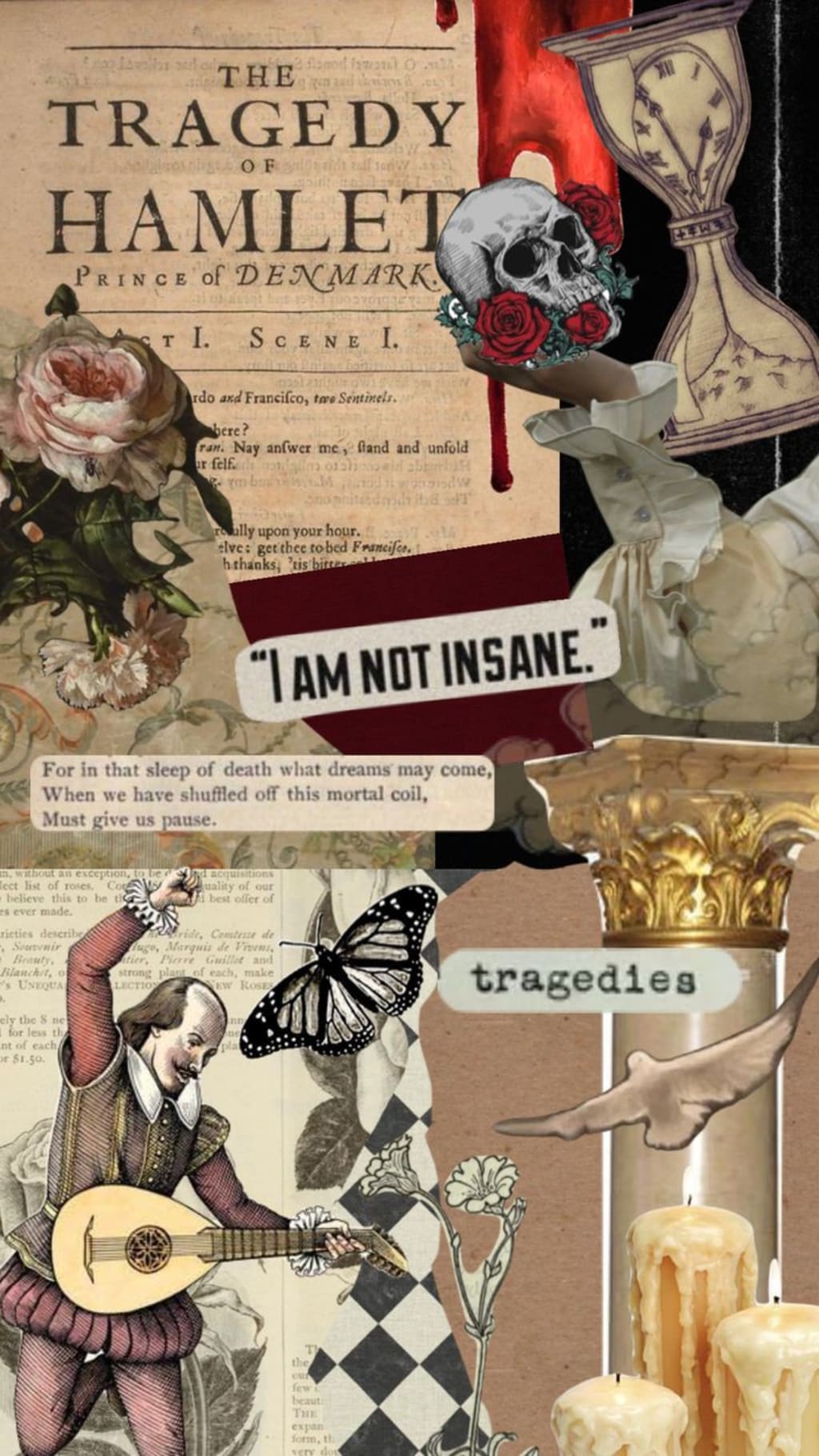
Shakespeare's Hamlet remains a timeless masterpiece that continues to captivate readers and theater enthusiasts alike. With its themes of revenge, existentialism, and madness, this tragic play has left an indelible mark on literature and popular culture. In this article, we delve into the enigmatic world of Hamlet, exploring its enduring relevance and shedding light on its most intriguing aspects.
Hamlet's Plot and Characters:
Hamlet, Prince of Denmark, finds himself entangled in a web of deceit and betrayal when his father, the king, is mysteriously murdered by his own brother, Claudius. Haunted by his father's ghost, Hamlet embarks on a quest for vengeance, which gradually consumes him. The play also features a host of memorable characters, including the tormented Ophelia, the manipulative Polonius, and the noble Horatio, each playing a significant role in the tragic events that unfold.
Themes and Symbolism:
Hamlet explores a multitude of profound themes that resonate with audiences across centuries. Revenge, the play's central theme, drives the plot forward, leading to a series of dramatic confrontations. Additionally, Hamlet grapples with existential questions, pondering the meaning of life, death, and the afterlife. Symbolism, too, plays a vital role, particularly through the imagery of poison, mirrors, and the famous "To be or not to be" soliloquy, which encapsulates Hamlet's inner turmoil and contemplation.
Notable Quotes:
Shakespeare's Hamlet is renowned for its quotable lines that have become part of the literary lexicon. From the profound musings of Hamlet himself to the witty repartee between characters, these quotes have permeated popular culture. "To be or not to be," "There is something rotten in the state of Denmark," and "The lady doth protest too much, methinks" are just a few examples that continue to be referenced, ensuring the play's longevity and cultural significance.
Performance and Adaptations:
Hamlet's enduring popularity is not confined to the written word. The play has been performed countless times on stage, captivating audiences with its complex characters and gripping storyline. Over the years, numerous adaptations in film, television, and even music have emerged, each offering a fresh interpretation of the play's timeless themes. From Laurence Olivier's iconic 1948 film to Kenneth Branagh's lavish 1996 version and even modern-day adaptations set in different contexts, Hamlet's universal appeal remains undiminished.
Legacy and Influence:
Hamlet's impact on literature, theater, and popular culture cannot be overstated. Its exploration of human nature, moral dilemmas, and the human psyche has inspired countless writers, playwrights, and filmmakers. The play's influence extends beyond traditional mediums, with references to Hamlet found in novels, songs, and even political speeches. The complex character of Hamlet himself has become a symbol of introspection and existential angst, resonating with individuals of all generations.
Conclusion:
Shakespeare's Hamlet continues to captivate audiences worldwide, transcending time and remaining an indelible part of literary history. Its exploration of universal themes, memorable characters, and thought-provoking quotes ensures its enduring relevance. Whether experienced on stage, through film adaptations, or in the pages of the play itself, Hamlet's enigmatic world continues to fascinate and resonate with audiences, solidifying its position as one of the greatest works of literature
About the Creator
Enjoyed the story? Support the Creator.
Subscribe for free to receive all their stories in your feed.
Comments
There are no comments for this story
Be the first to respond and start the conversation.